
The Best Ohio Shade Perennials for Your Yard
Many Ohio yards have shady areas that just need the right plants to look their best. Whether it’s a bed under a mature tree, a north-facing foundation planting, or a corner that gets limited sunlight, there are plenty of beautiful perennials that are well-suited to growing in the shade.
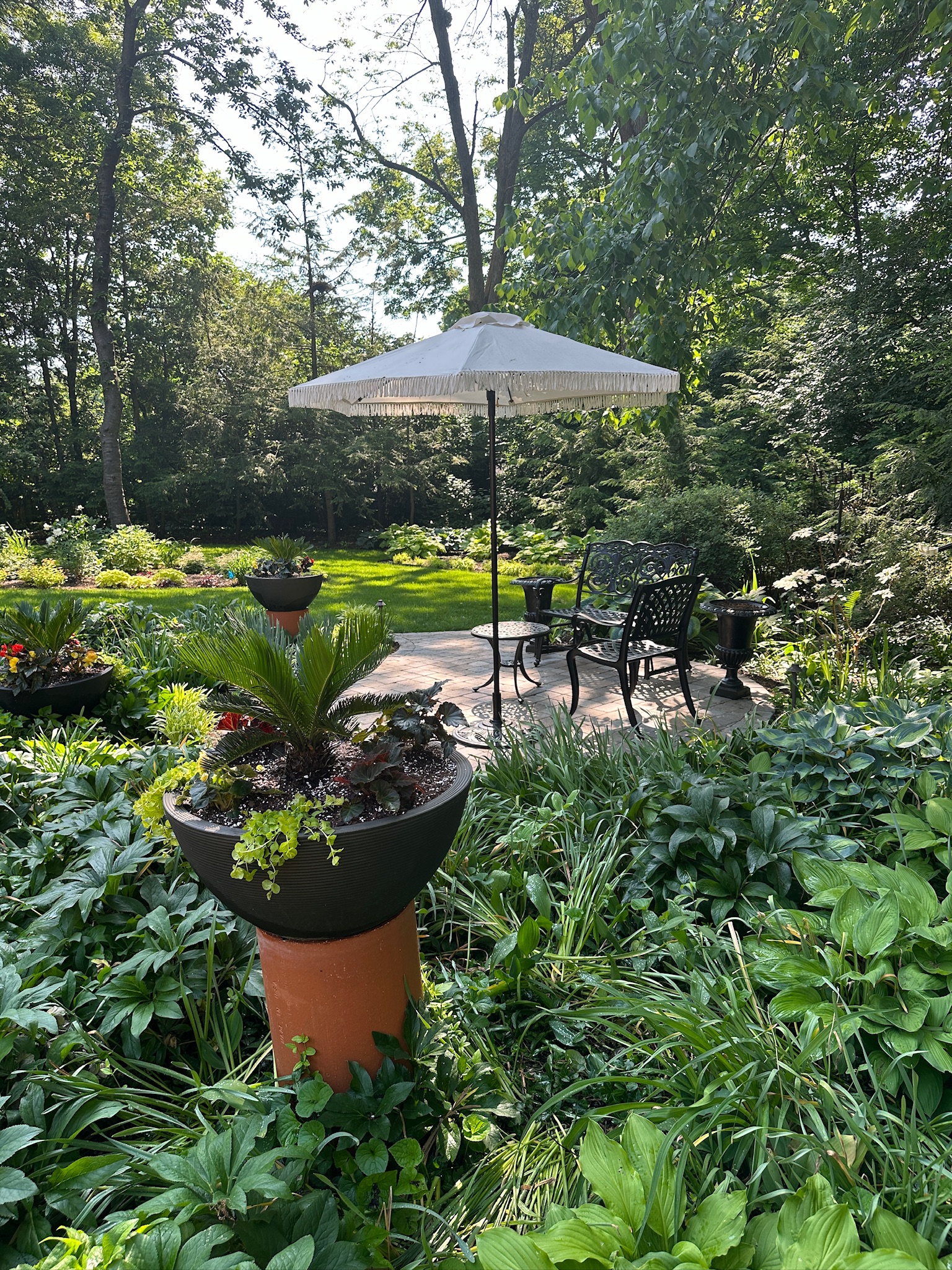
This is a look at the shade-loving perennials that consistently perform in South-West Ohio’s Zone 6b climate. Before diving in, it’s worth spending a few minutes figuring out what kind of shade you’re actually working with. A bed that gets four hours of morning sun behaves very differently from one under a dense tree canopy all day, and knowing that upfront makes choosing the right plants for your landscaping a lot easier.
Understanding Your Shade
Partial shade: two to six hours of direct sun, typically morning or filtered through a canopy
Full shade: less than two hours of direct sun
Deep shade: under dense evergreen canopies or north-facing walls where sunlight rarely penetrates
Most residential shade in Ohio falls somewhere in the partial shade range, which gives gardeners the widest plant palette. The harder challenge is dry, deep shade under mature trees (where roots compete for every drop of moisture). A shorter list of tougher plants handles that situation, and they’re noted below.
Reliable Shade Perennials for Zone 6b
These are the plants that tend to perform well in Ohio’s conditions and are commonly available through local nurseries.
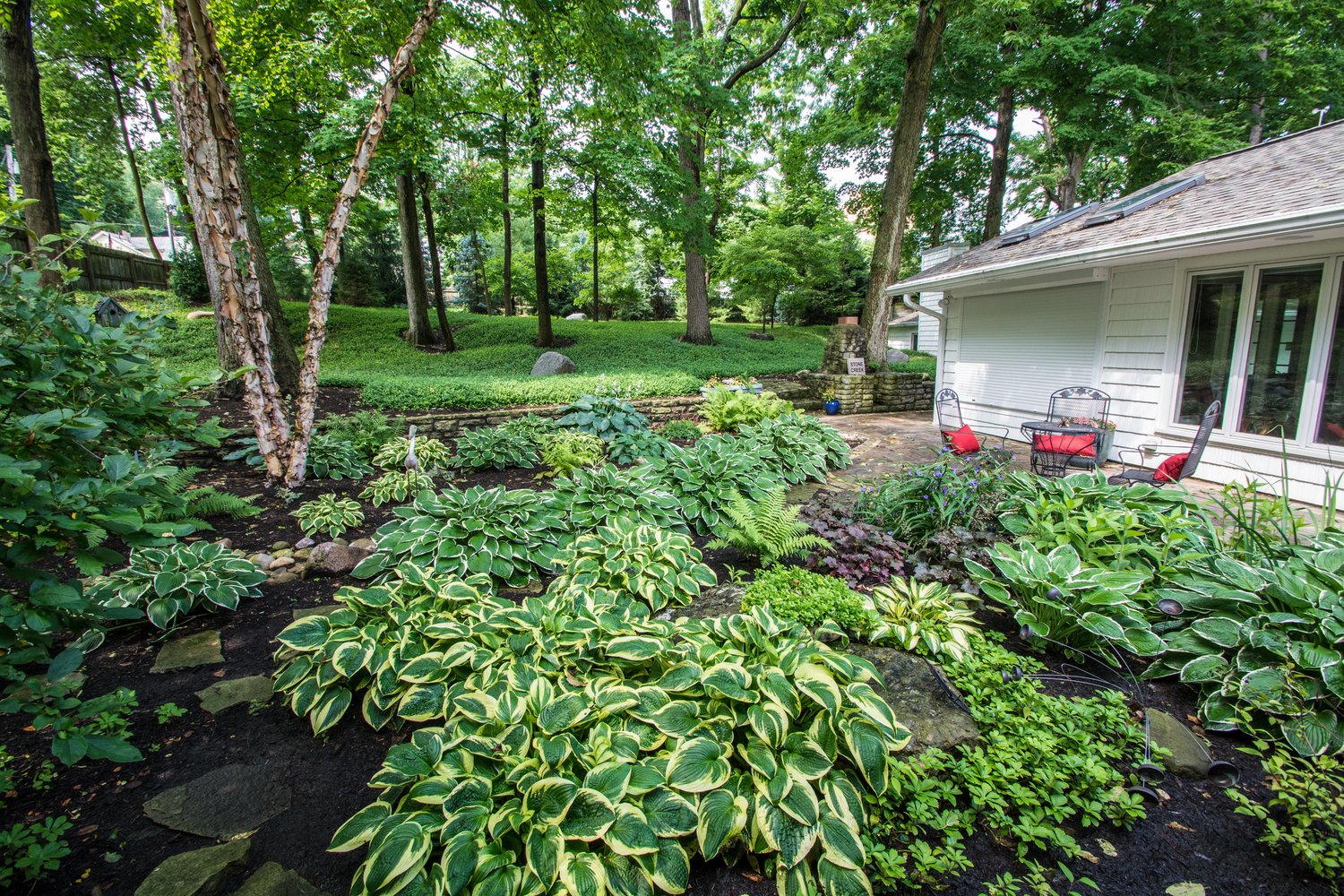
Hosta
One of the most widely used shade perennials in Ohio, and for good reason. Hostas do well across a wide range of shade depths and come in an enormous range of foliage sizes, colors, and textures (from blue-green to gold to near-white). ‘Sum and Substance’ is a large-leaved gold variety that lights up dark corners. ‘Halcyon’ is a smaller blue-green selection with good slug resistance. Plant in groups of three or five, and divide clumps every four to five years. Slugs are the main pest concern; get ahead of them in early spring.
Astilbe
One of the few shade perennials that delivers genuine color in summer. Feathery plumes in white, pink, red, and lavender bloom from late spring through midsummer, providing unique texture that holds even as the flowers dry. Astilbe suits Ohio’s clay soils well because it prefers consistently moist conditions (the same heavy soil that frustrates other perennials works in its favor). Dry shade under trees is where it struggles most. ‘Fanal’ (deep red) and ‘Deutschland’ (white) are widely used selections that tend to do well in Zone 6b.
Bleeding Heart (Lamprocapnos spectabilis)
Bleeding hearts are a beautiful early spring bloomer, with arching stems of pendant pink or white flowers that gardeners have loved for generations. They bloom for four to six weeks in late spring, then go dormant by midsummer, which is normal but leaves a gap. Plant hostas, astilbe, or ferns nearby to grow into that space as the season progresses. The key caveat in Ohio clay: bleeding heart does not perform well in waterlogged soil, so choose a spot with reasonable drainage and amend with compost at planting.
Hellebore (Helleborus spp.)
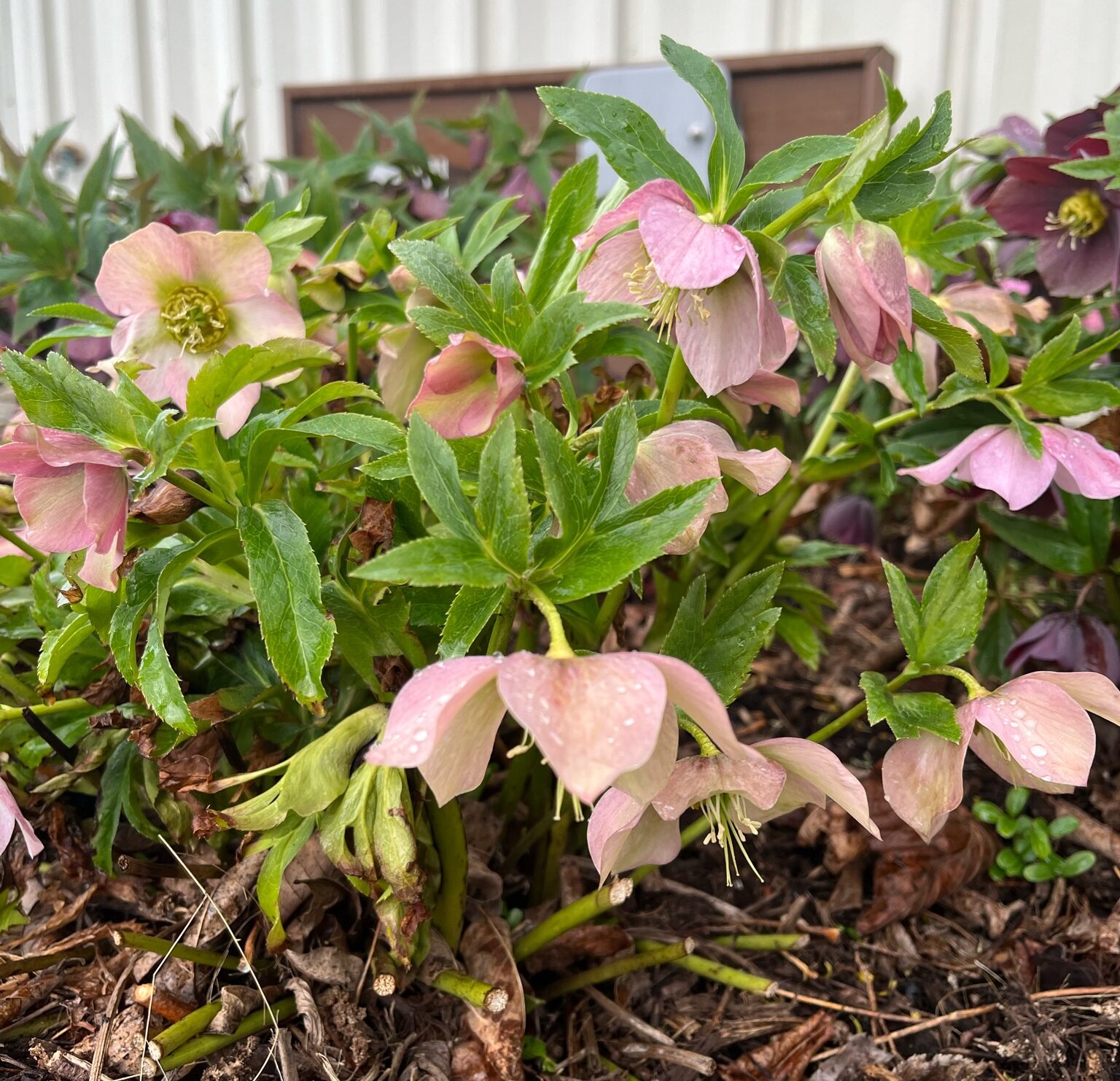 Hellebores bloom in late winter into early spring (often February through April in southwest Ohio) when almost nothing else is awake. Flowers come in white, pink, purple, and near-black above semi-evergreen foliage that stays attractive through winter. They are deer resistant, generally hardy in Zone 6b, and tend to have few serious pest problems. Site them well from the start; they don’t love being moved once established. Cut back last year’s foliage in late winter just before new growth emerges.
Columbine (Aquilegia canadensis)
A native wildflower with distinctive nodding red and yellow flowers that bloom in mid-spring, often the first color to arrive in a shade bed. It is known to attract hummingbirds and brings a woodland charm that pairs well with ferns and heuchera. Columbine is best suited to gardeners who enjoy a more naturalistic look, as plants are short-lived and self-seed freely, spreading gradually through the garden. Deadhead spent blooms to limit spreading, or let it go and enjoy wherever it turns up.
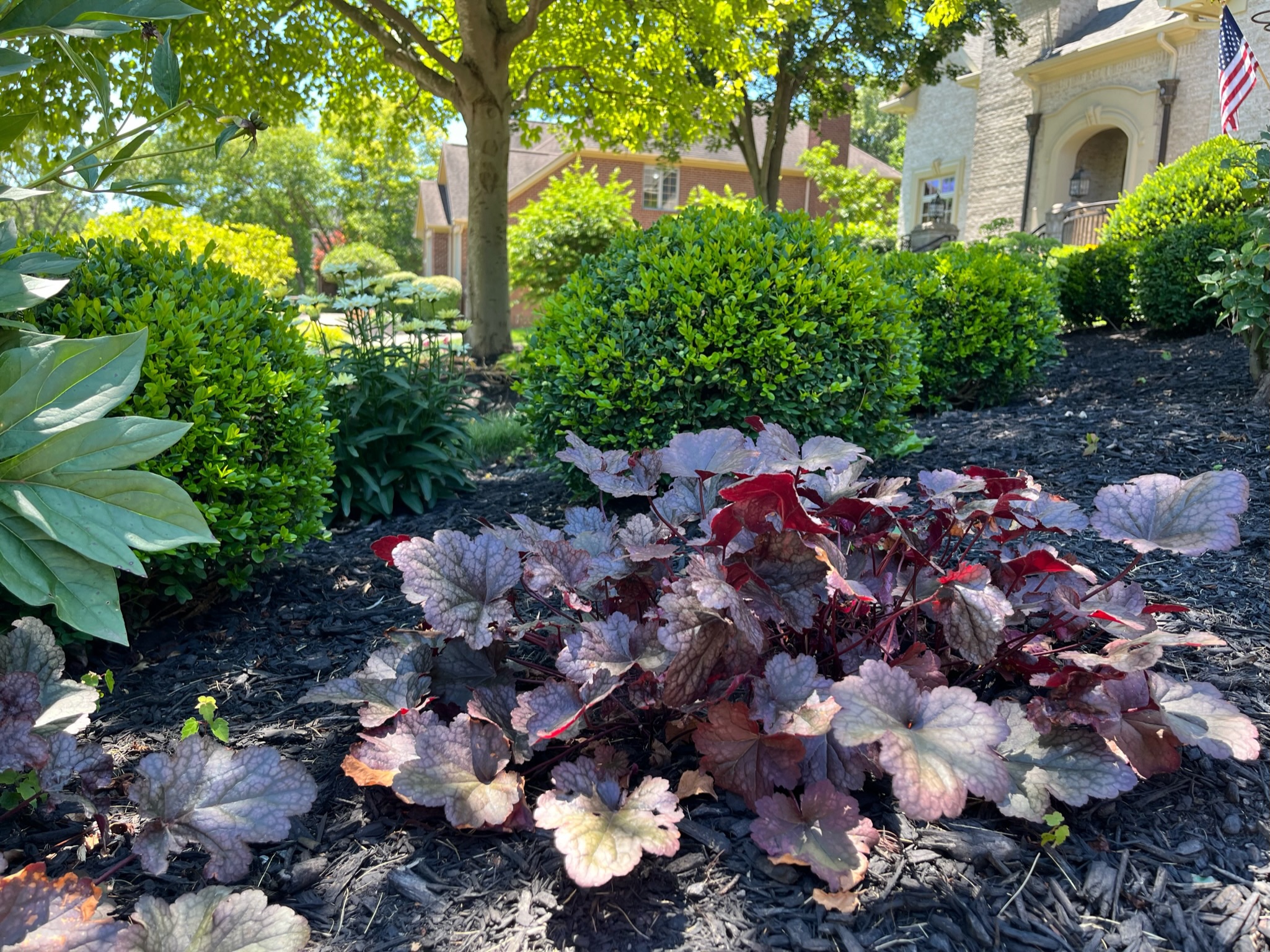
Heuchera (Heuchera spp.) (Coral Bells)
A must-have for foliage interest, heuchera spp offers some of the most striking color possibilities in a shade garden: burgundy, caramel, lime green, deep purple, and near-black that holds from spring through fall. ‘Palace Purple’ is widely available and commonly used. ‘Caramel’ and ‘Obsidian’ both tend to provide strong contrast in mixed plantings. Deep shade dulls the more vibrant foliage colors over time, so partial shade is the sweet spot. Divide and replant every three to four years as crowns heave up out of the soil.
Brunnera (Brunnera macrophylla) (Siberian Bugloss)
Siberian bugloss is a commonly used plant in difficult shade situations. Clouds of small blue flowers appear in early spring above heart-shaped foliage that provides unique texture through summer. ‘Jack Frost’ (with silver and green variegated leaves) is a popular cultivar that tends to brighten dark spots and pair well with a range of companions. Variegated cultivars self-seed far less than the straight species and are generally the better choice for a managed landscape.
Structural and Textural Plants
Tiarella (Foamflower) (Tiarella cordifolia)
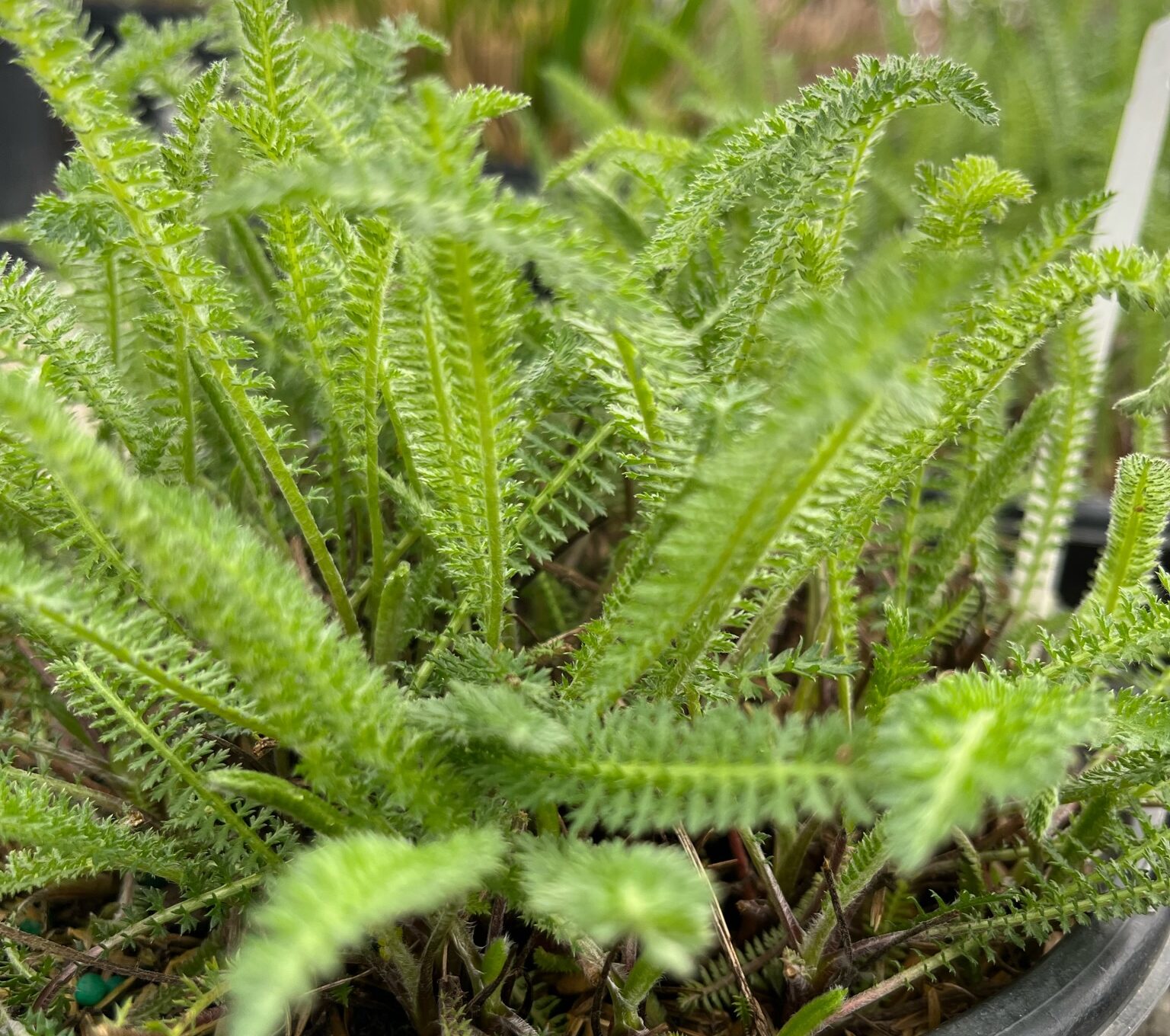
An Ohio native ground cover with a low spreading habit and lobed foliage that develops burgundy markings in cool weather. White or pink flower spikes appear in spring and last four to six weeks, supporting early pollinators. Tiarella spreads gradually into a dense carpet in partial to full shade and is an underused option for front-of-bed edging or filling gaps beneath shrubs.
Ferns
Two native ferns commonly used in Ohio shade gardens. Christmas fern (Polystichum acrostichoides) is evergreen, tends to tolerate dry shade once established, and often holds its lush green fronds through winter. Ostrich fern (Matteuccia struthiopteris) is taller and more dramatic at four to five feet, preferring rich, moist soil. It spreads by stolons, which makes it a popular choice for naturalizing under trees but worth siting thoughtfully if you want a tidy edge.
For the Toughest Spots: Dry Shade Under Trees
Epimedium (Barrenwort) (Epimedium spp.)
One of the more underused shade perennials in Ohio landscapes, epimedium is often recommended for dry, deep shade where roots compete and moisture is scarce. Small yellow, white, pink, or purple flowers appear in spring above semi-evergreen foliage with attractive bronze tints on new growth. It tends to handle root competition and low light better than many other perennials. Cut back old foliage in late winter just before new growth emerges.
Wild Ginger (Asarum canadense)
A native Ohio ground cover that often forms a tidy carpet of broad, heart-shaped leaves in deep shade. It won’t produce showy flowers, but the foliage tends to stay attractive from spring through fall and can suppress weeds effectively once it fills in. Wild ginger is slow to establish but is a commonly recommended choice for the kind of full shade where many other plants struggle.
Setting Your Shade Garden Up for Success
Picking the right plants is only part of the equation. A few practical steps before and during planting go a long way toward making sure those plants actually establish well.
Test your soil first.
Shaded areas under mature trees are often dry, root-dense, and low in nutrients — not because something is wrong, but because tree roots have been taking up available resources for years. A basic soil test (available through Ohio State University Extension) will tell you your pH and nutrient levels so you can amend appropriately before planting rather than troubleshoot later. Most shade perennials prefer a slightly acidic to neutral pH, and many benefit from working two to three inches of compost into the bed at planting time.
Pay attention to the plant tag.
Nursery tags include information that genuinely matters: light requirements, mature size, moisture needs, and hardiness zone. It is worth reading them carefully rather than going by looks alone. A plant labeled for partial shade may struggle in full shade. One listed as preferring moist soil is likely to disappoint in a dry spot under a dense canopy. Matching the tag to your actual conditions is one of the simplest ways to avoid plant loss.
Choose the right time of year to plant.
Spring and early fall are generally the best times to plant shade perennials in Ohio. Mild temperatures and more consistent rainfall give plants a better chance to establish before the stress of summer heat or winter cold sets in. Avoid planting during dry spells without a plan to water consistently, and hold off on late fall planting once the ground is starting to cool significantly.
Water consistently in year one.
Even plants that are known to tolerate dry conditions once established typically need regular watering through their first growing season. After that, most shade perennials manage reasonably well on natural rainfall in Zone 6b with occasional supplementing during dry stretches.
Work with someone who knows the plants.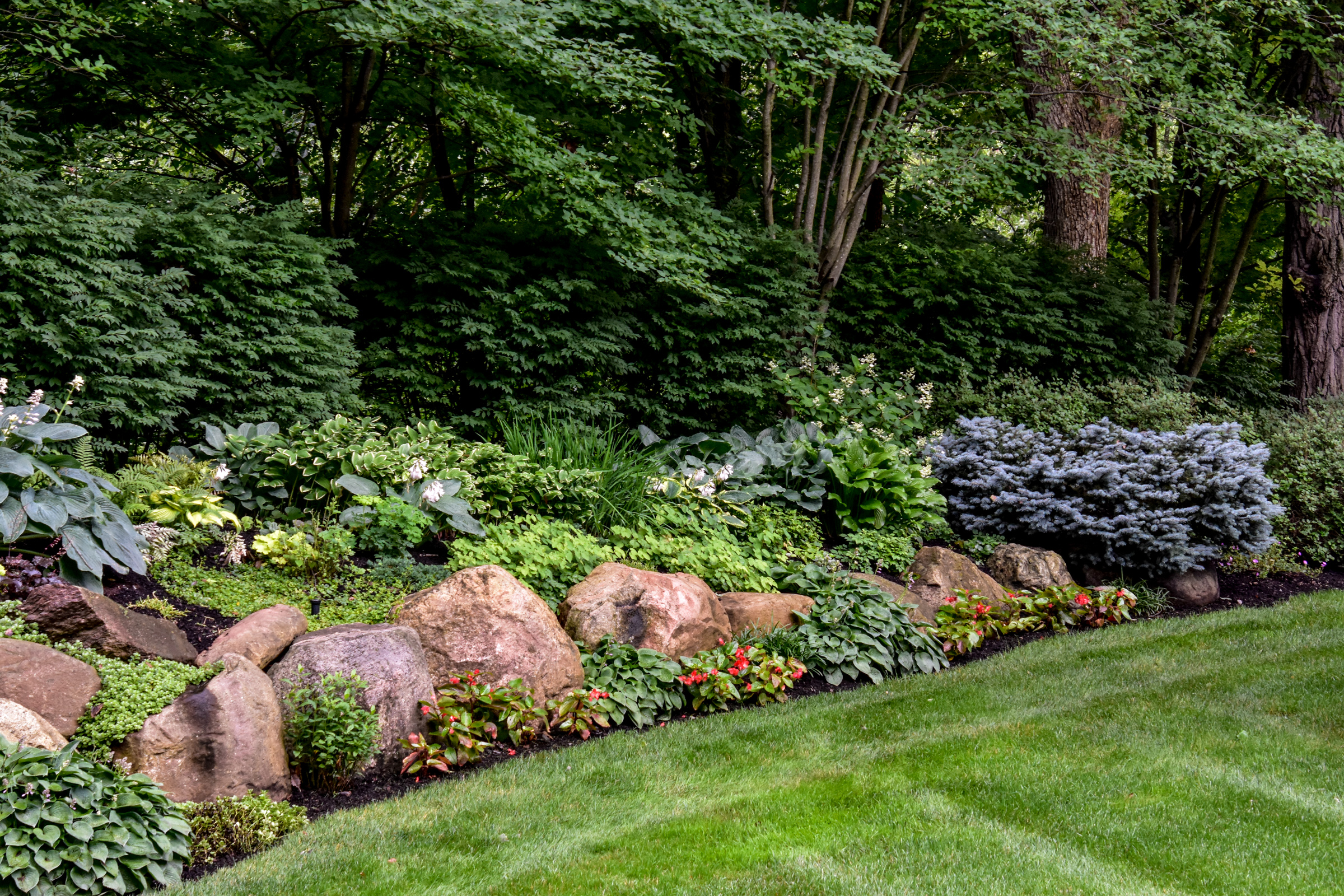
Choosing plants from a list is a starting point, but getting a shade garden right involves a lot of variables that are easier to navigate with professional help. A knowledgeable landscaper will assess your specific light levels, soil conditions, and moisture patterns before recommending anything. This means plants are matched to your actual site rather than a general description.
They will also think through placement, mature sizes, bloom sequencing, and how the bed will look across all four seasons, so the finished result feels considered rather than pieced together. They’ll make sure plants that go in the ground correctly the first time, with the right soil preparation and spacing, have a much better chance of establishing well and coming back year after year. They can also set up a plan to help you maintain your garden.
About Grunder Landscaping Co.
Grunder Landscaping Co. has been designing, installing, and maintaining landscapes in the Dayton area since 1984 and has served the Cincinnati market for more than a decade. Our team includes horticulturalists who know this region’s soils, shade conditions, and climate well, and who think carefully about plant selection and placement on every project. If you have shady areas in your yard that you are not sure how to approach, we are happy to help you figure out what will work and what will look great doing it. Contact us to learn more.
get started