
How Your Property’s Landscaping Impacts Your Tenants
Tenant turnover is one of the most expensive problems a commercial property owner or manager faces. Vacancy costs, marketing, make-ready work, and the time spent on-boarding new tenants add up quickly. Most property owners think about unit condition, pricing, and amenities when trying to hold onto tenants and sometimes leave the landscape out of the picture.
That’s a missed opportunity. The exterior of your property is the first thing current and prospective tenants see, and it shapes their perception of everything inside. A well-maintained landscape signals that management is attentive, the property is cared for, and the environment is one worth staying in. Overgrown shrubs, patchy turf, and cracked, weedy walkways send the opposite message. Not only this, but tenants feel more pride in their home when they feel like they live in a nice environment.
First Impressions and Daily Experience
What Prospective Tenants Notice
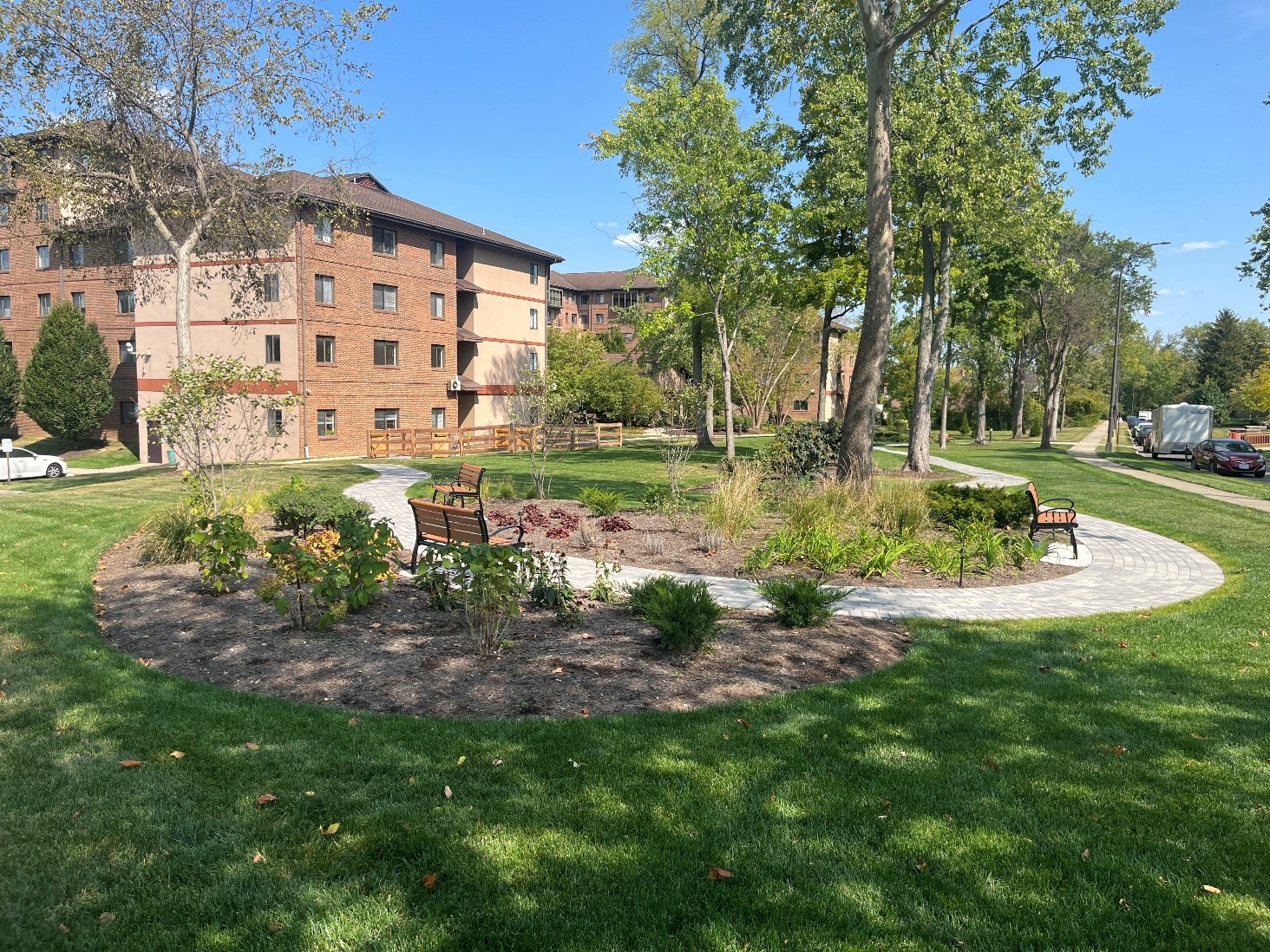
Prospective tenants notice the outside before they ever step through the door. Whether they’re doing a drive-by before scheduling a tour or walking the property for the first time, curb appeal is doing real work in those first few seconds. A clean, well-maintained exterior builds confidence. A neglected one raises doubts that are hard to shake, even if the interior is in excellent condition. It makes them ask the question, “If they aren’t taking care of the outside, then how well do they take care of the inside? How will they take care of me as a resident?”
How the Landscape Affects Tenants Who Already Signed
For existing tenants, the landscape shapes daily experience. Tenants who feel proud of where they live or work are more likely to stay. When common areas look tired, or parking lot borders are overgrown with weeds, it gradually erodes that sense of pride. It’s rarely one thing that drives a tenant to leave, but the cumulative feeling that a property isn’t being maintained is a common thread in tenant dissatisfaction.
Aesthetic appeal isn’t a soft benefit. It directly influences occupancy rates and your ability to justify premium rents in a competitive market.
Standing Out in the Rental Market
In markets where tenants have options, landscaping quality is a differentiator.
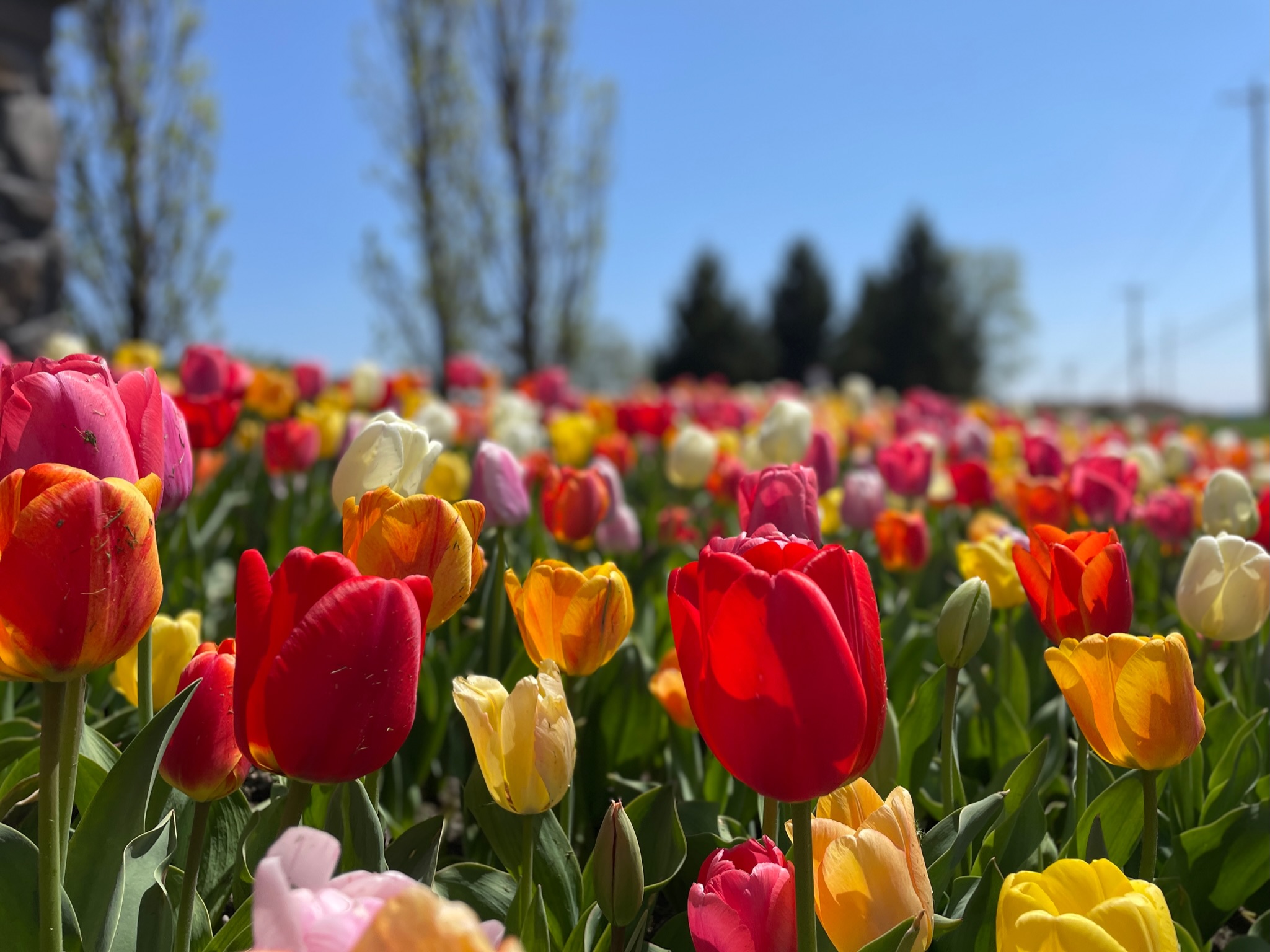
A property with defined beds, healthy turf, seasonal color rotations, and well-lit entries reads as a more desirable place to be than a comparable property where those elements are missing or neglected.
This matters for attracting new tenants, but it also matters for retaining existing ones. When lease renewal comes around, tenants are making a comparison, consciously or not, between your property and others they’ve seen. A property that consistently looks well cared for is one that’s easier to choose to stay in.
What a Well-Maintained Landscape Includes
Professional landscape maintenance for a commercial property isn’t just mowing. A comprehensive program addresses the full range of what keeps a property looking sharp and functioning well across all four seasons. For most commercial properties, that means:
- Regular mowing, turf fertilization, and weed management to keep the lawn consistent and healthy
- Spring and fall cleanups that include edging, mulching, and leaf removal
- Dedicated horticultural visits on a set schedule to prune, weed, and apply herbicides from April through November
- Seasonal color rotations at entries and high-visibility beds to keep the property looking fresh year-round
- Irrigation system maintenance to catch inefficiencies before they result in dead turf or overwatered beds
- Snow and ice removal to keep parking lots, walkways, and entryways safe and accessible through winter
For commercial properties specifically, tree placement and parking lot buffers deserve attention. Overgrown trees that obstruct sightlines or drop debris onto vehicles create tenant complaints and liability concerns. Well-maintained buffers between parking areas and the street reduce noise, improve the overall appearance of the property, and give it a more finished, intentional look.
Safety, Sightlines, and Drainage
Safety and accessibility are part of the maintenance picture that property managers sometimes overlook until something goes wrong. Overgrown plantings that block pathway lighting or obscure entryways create real security concerns for tenants. Poor drainage that goes unaddressed becomes a slip hazard and a source of ongoing complaints. A landscape maintenance partner who brings a horticultural eye to the property catches these issues early and flags them before they become larger problems or liability exposure.
What to Look for in a Landscape Maintenance Partner
Not every landscaping vendor is equipped to handle commercial properties well. When evaluating vendors, look for demonstrated experience with commercial accounts, a clear seasonal maintenance schedule they can walk you through, and the ability to communicate proactively about what they’re doing and why. A vendor who shows up, mows, and leaves without any communication isn’t a partner; they’re a commodity.
Ask about staff vetting practices. On a well-run commercial property, the people working on the grounds are representing your brand whether they know it or not. Background checks, motor vehicle checks, and drug testing are reasonable baseline expectations for any vendor whose crews will be on your property regularly. Liability insurance is non-negotiable; confirm any vendor carries appropriate coverage before signing a contract.
Landscape Investment Pays Back Over Time
Turnover Costs More Than You Think
The return on professional landscape maintenance isn’t always immediate, but it compounds. Properties that are consistently well maintained hold their value better, attract stronger tenants, and see lower turnover rates over time. Turnover costs, including vacancy loss, cleaning, re-leasing fees, and the labor involved in on-boarding new tenants, are significant. Retaining a good tenant for an additional lease cycle is almost always more cost-effective than replacing them.
Outdoor Spaces That Build Community
Landscape enhancements, such as a patio or seating area for tenant use, improved entryway design, or updated lighting, can also support community building within a property. Tenants who interact with their neighbors and feel a sense of connection to where they live or work are more likely to renew. These aren’t dramatic changes, but they shift the character of a property in ways tenants notice and respond to.
Where to Start
The most effective starting point for most properties is an honest audit of current conditions. Identify the highest-visibility areas where investment will have the most impact, address any deferred maintenance that’s creating a negative impression, and establish a consistent maintenance program that prevents backsliding. A single focused upgrade at a problem property, combined with a reliable maintenance contract, is often enough to see measurable improvement in tenant satisfaction within a single season.
About Grunder Landscaping Co.
Grunder Landscaping Co. has been designing, installing, and maintaining landscapes in the Dayton area since 1984 and has served the Cincinnati market for more than a decade. We work with commercial property owners and managers across southwest Ohio who want a landscape partner they can count on year-round. Our LandKeeping program is built around consistent quality, proactive communication, and crews with real horticultural knowledge. If you’re looking to improve tenant satisfaction, strengthen your property’s curb appeal, or simply put a reliable maintenance program in place, we’re here to help. Click here to get started!
get started