
Best Plants for Full Sun and Heat: Picks, Care, and Design
Most yards have that one spot that punishes plants. It bakes from late morning on, the soil dries out fast, and anything you put there either thrives or fries. The good news is that plenty of tough, colorful plants prefer those conditions. Choose them well, and a hot, sunny bed becomes one of the easiest and most rewarding parts of your landscape. Here are our favorite plants for full sun and heat for your landscaping, plus how to site, combine, and care for them.
What Defines Full Sun and Heat
Full sun means six or more hours of direct sunlight per day. Many of the hottest spots in a yard get eight to ten hours, especially beds along a south or west wall, near driveways, or over reflected heat from pavement.
Heat-tolerant plants outperform standard ornamentals in those sites because they hold moisture more efficiently, keep photosynthesizing at high temperatures, and recover quickly from midday wilt. Plants that aren’t adapted to heat will sulk, scorch, and demand constant watering.
How to Choose Heat-Tolerant Plants
The right plant list starts with a few traits and site checks rather than a trip to whatever is blooming at the garden center.
Prioritize the right traits.
Look for plants described as drought tolerant, heat tolerant, or full sun on the tag. Silver or fuzzy foliage, waxy leaves, and deep root systems are all signs a plant is built to handle a hot site with less water.
Fix drainage before you plant.
Heat-loving plants almost universally want well-drained soil, and Ohio’s clay holds water longer than they like. Loosening the bed and working in compost improves drainage and gives roots room to go deep, which is where drought resilience comes from.
Check mature size.
A plant that looks right in a nursery pot can crowd a bed once it fills in. Knowing the mature height and spread prevents overcrowding, which traps humidity and invites disease in hot weather.
Lean native and drought-adapted.
Native and regionally adapted plants are already suited to local heat, soil, and rainfall, so they need less fussing once established. They also support pollinators and hold up through the swings a Midwest summer throws at them.
Plants That Love The Sun and Heat in Zone 6b
A strong sunny bed leans on plants that welcome heat and mixes bloom times so color runs from early summer into fall in Dayton and Cincinnati’s hardiness zone 6b. Space them for airflow, since crowded plantings trap humidity. These picks lean native, grouped below by type, with each noted as a perennial, shrub, tree, or annual for our Zone 6 climate.
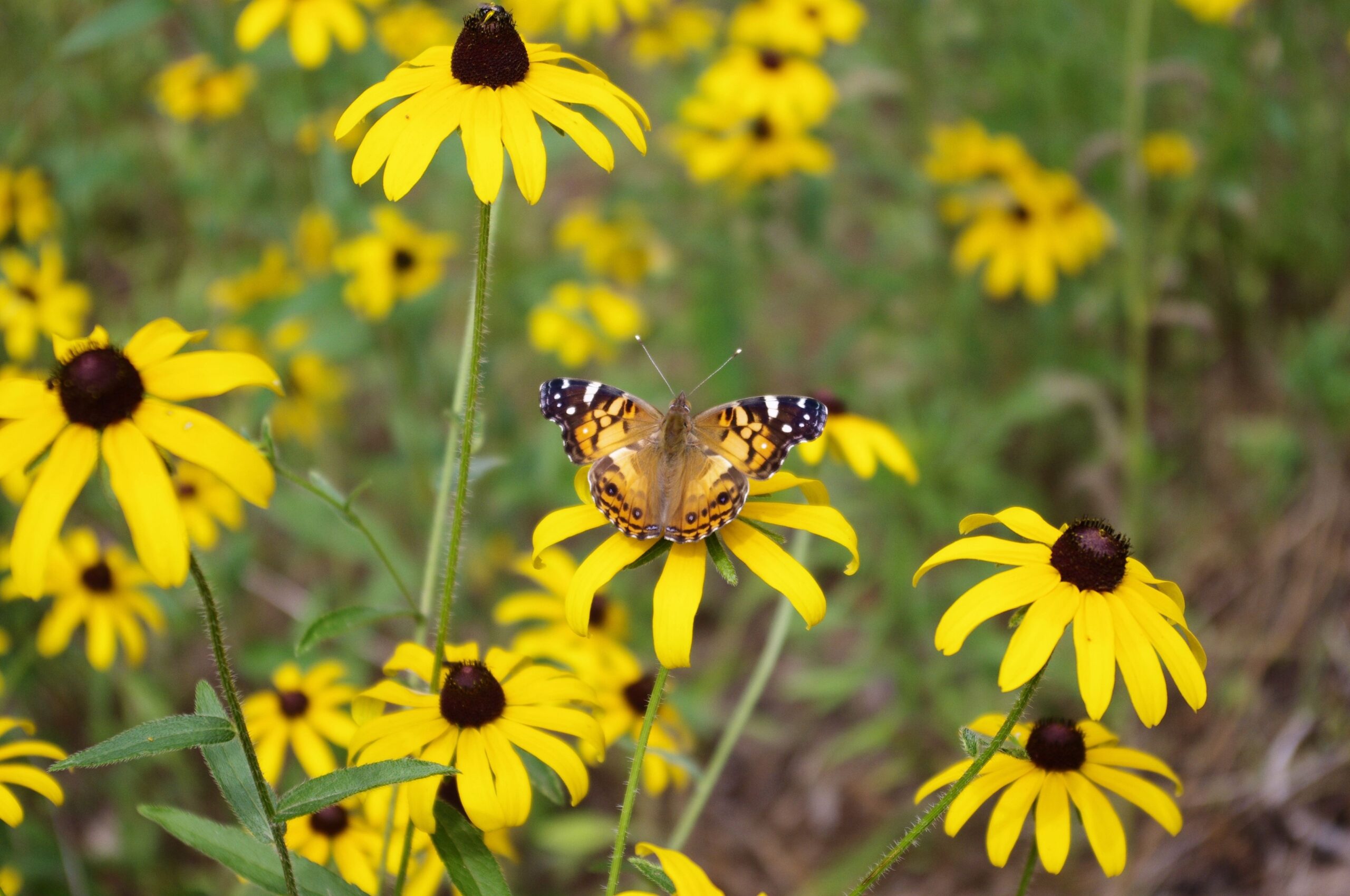
Black-Eyed Susan (Rudbeckia spp.)
A native perennial that thrives on neglect, throwing golden-yellow blooms from midsummer through fall. It handles heat and drought once established and looks best massed or run along a border.
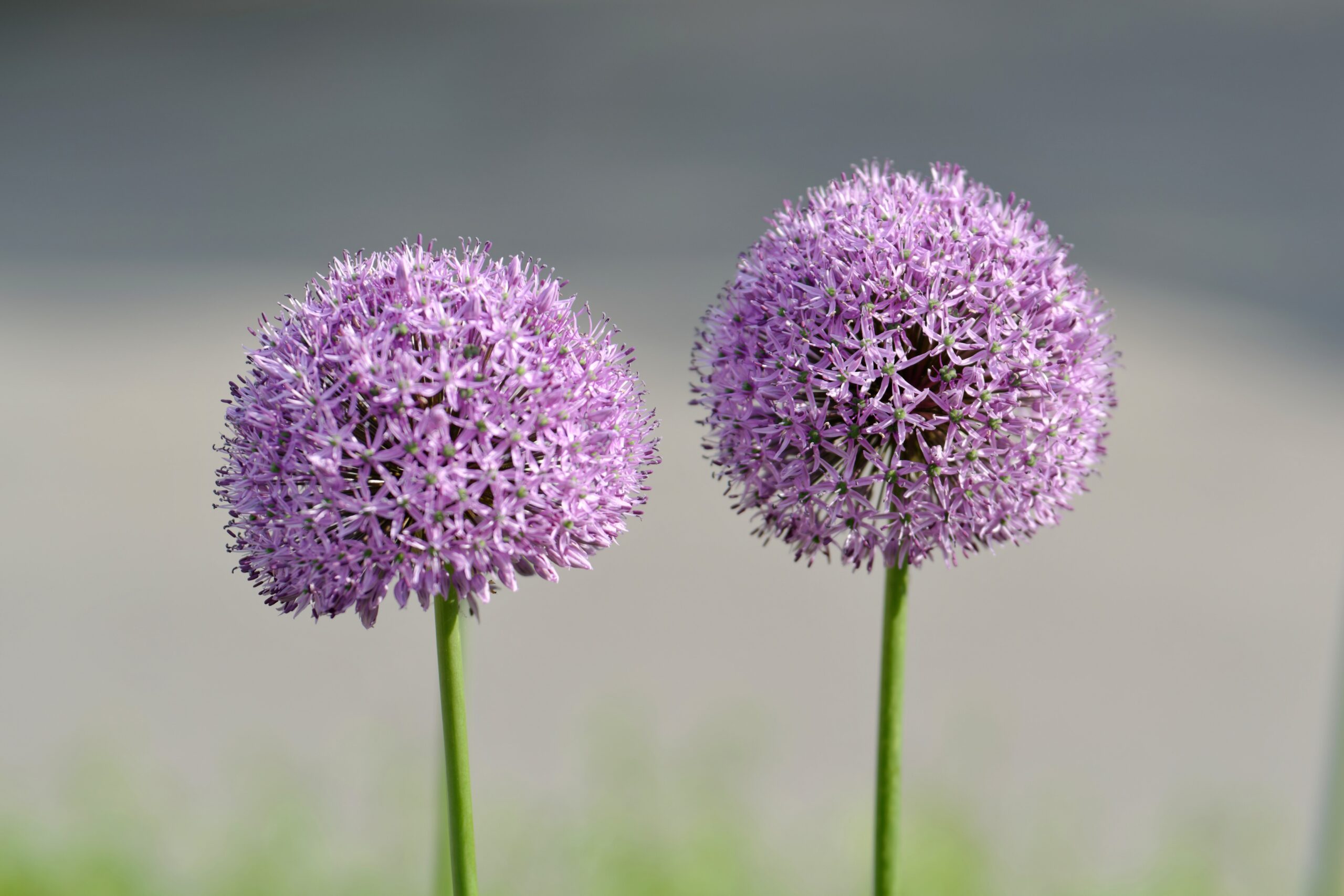
Allium ‘Millenium’
A tough, clump-forming perennial with glossy, strap-like foliage and rose-purple globe flowers that bees and butterflies swarm in midsummer. It excels in hot, dry, well-drained spots, right down to parking lot islands, and deer and rabbits leave it alone.
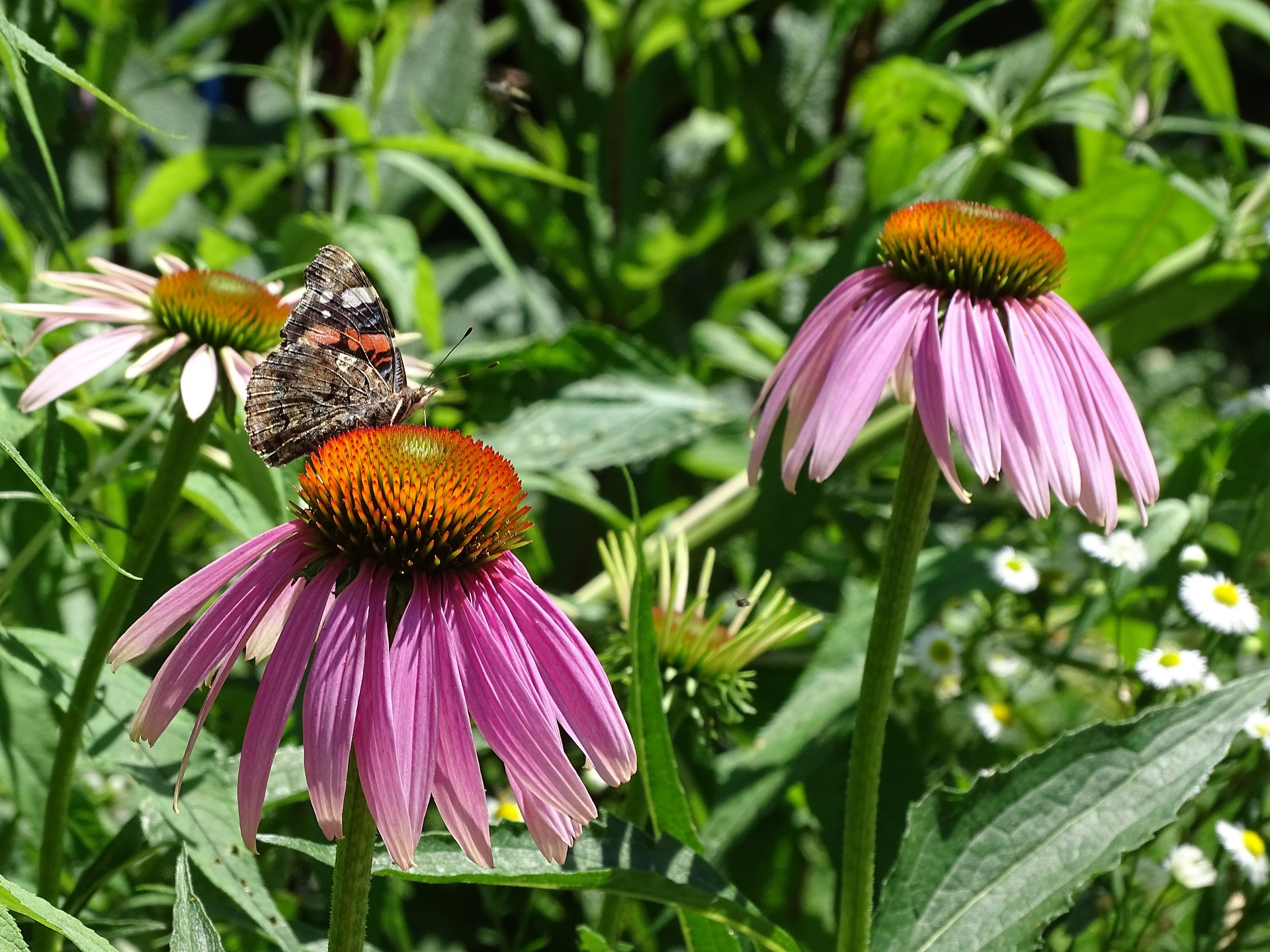 Purple Coneflower (Echinacea purpurea)
A native perennial and pollinator magnet, with pinkish-purple daisies from midsummer into fall. It tolerates heat, drought, and lean soil, and goldfinches work the seed heads later in the season.
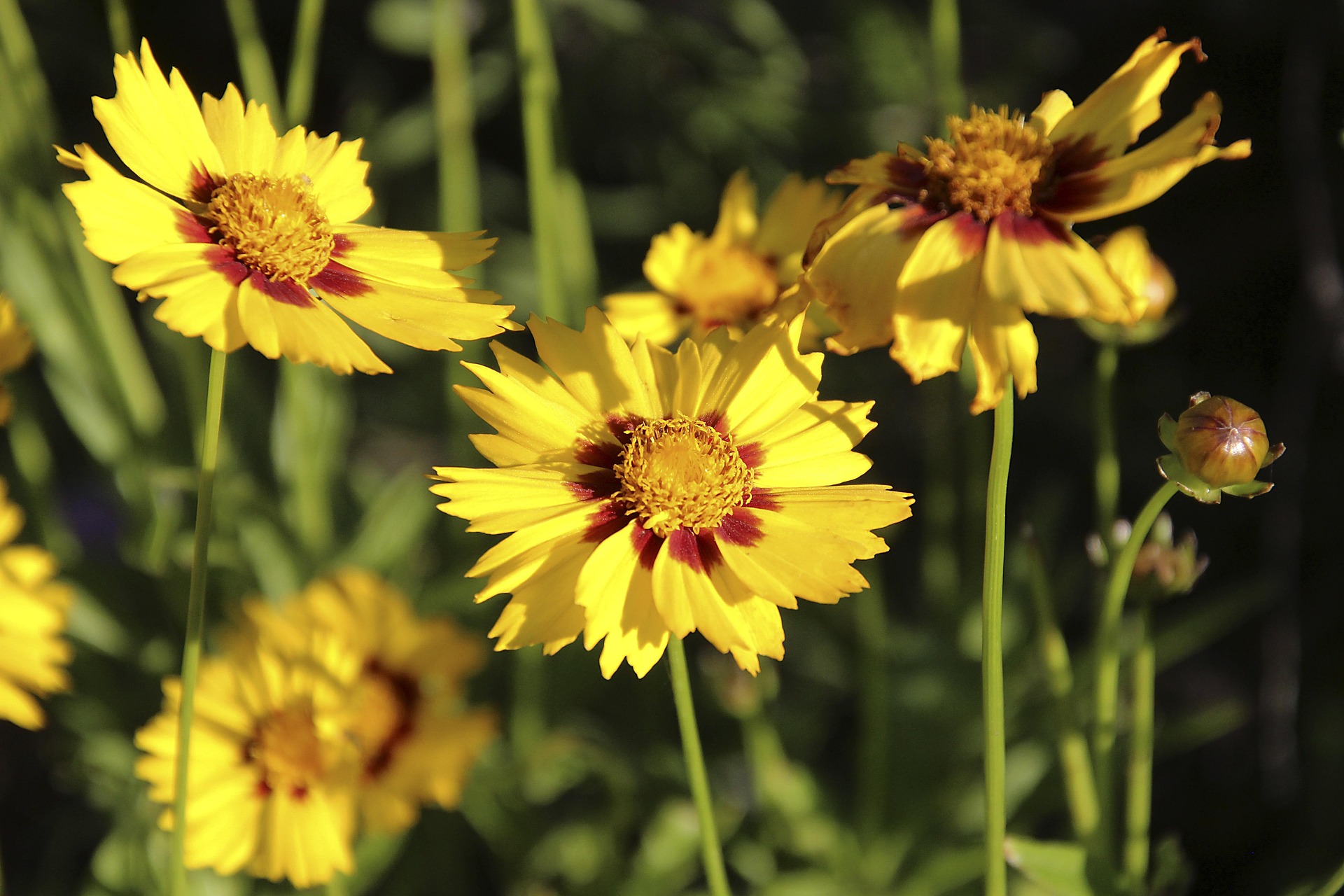 Coreopsis (Coreopsis spp.)
A native perennial covered in cheerful yellow flowers from early summer to fall. It asks for little beyond full sun and good drainage, which makes it a natural for borders and edging.
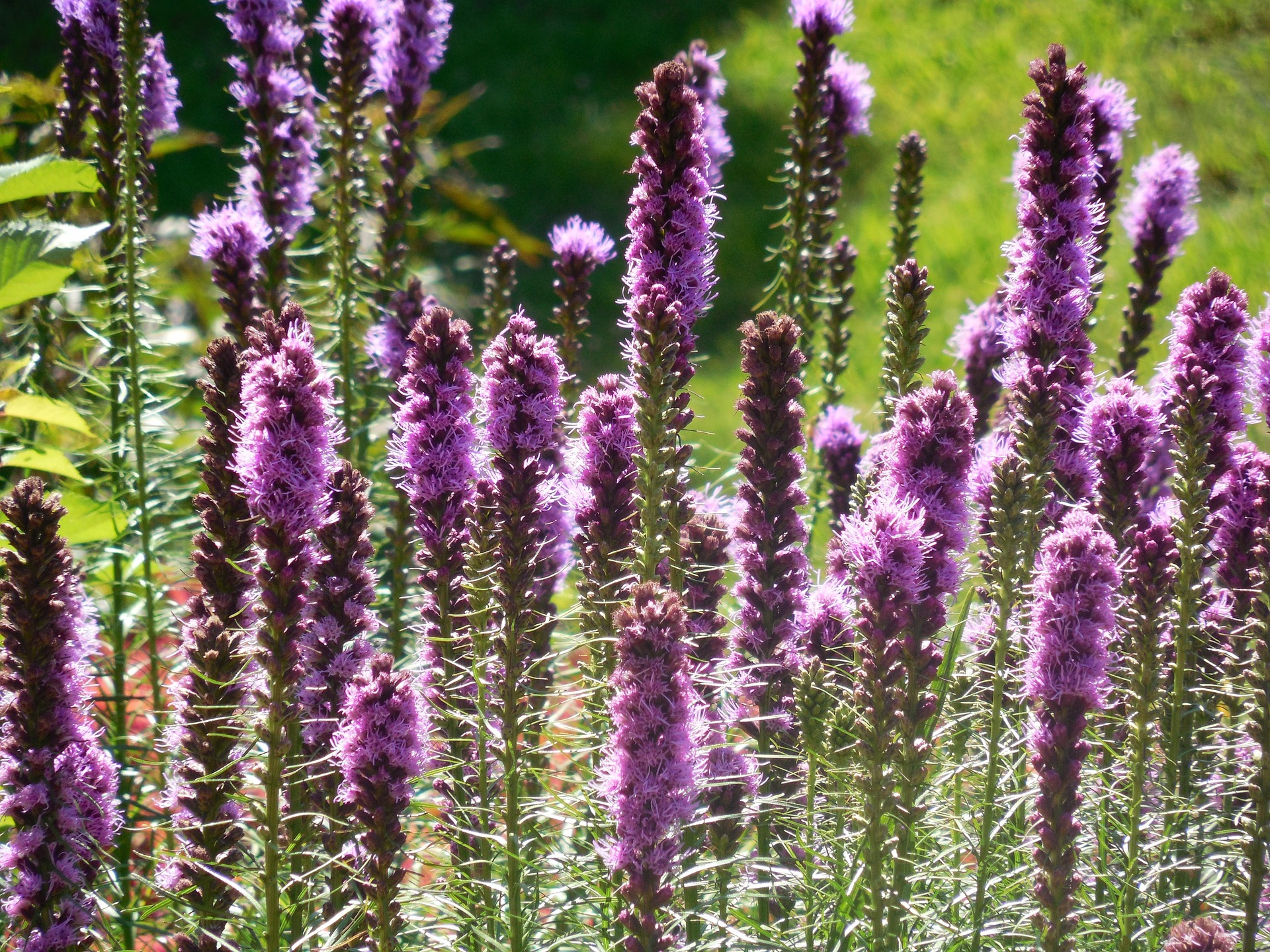 Blazing Star (Liatris spicata)
A native perennial with tall purple flower spikes that butterflies love, blooming in mid to late summer. It’s drought-tolerant, deer-resistant, and adds vertical structure to a sunny bed.
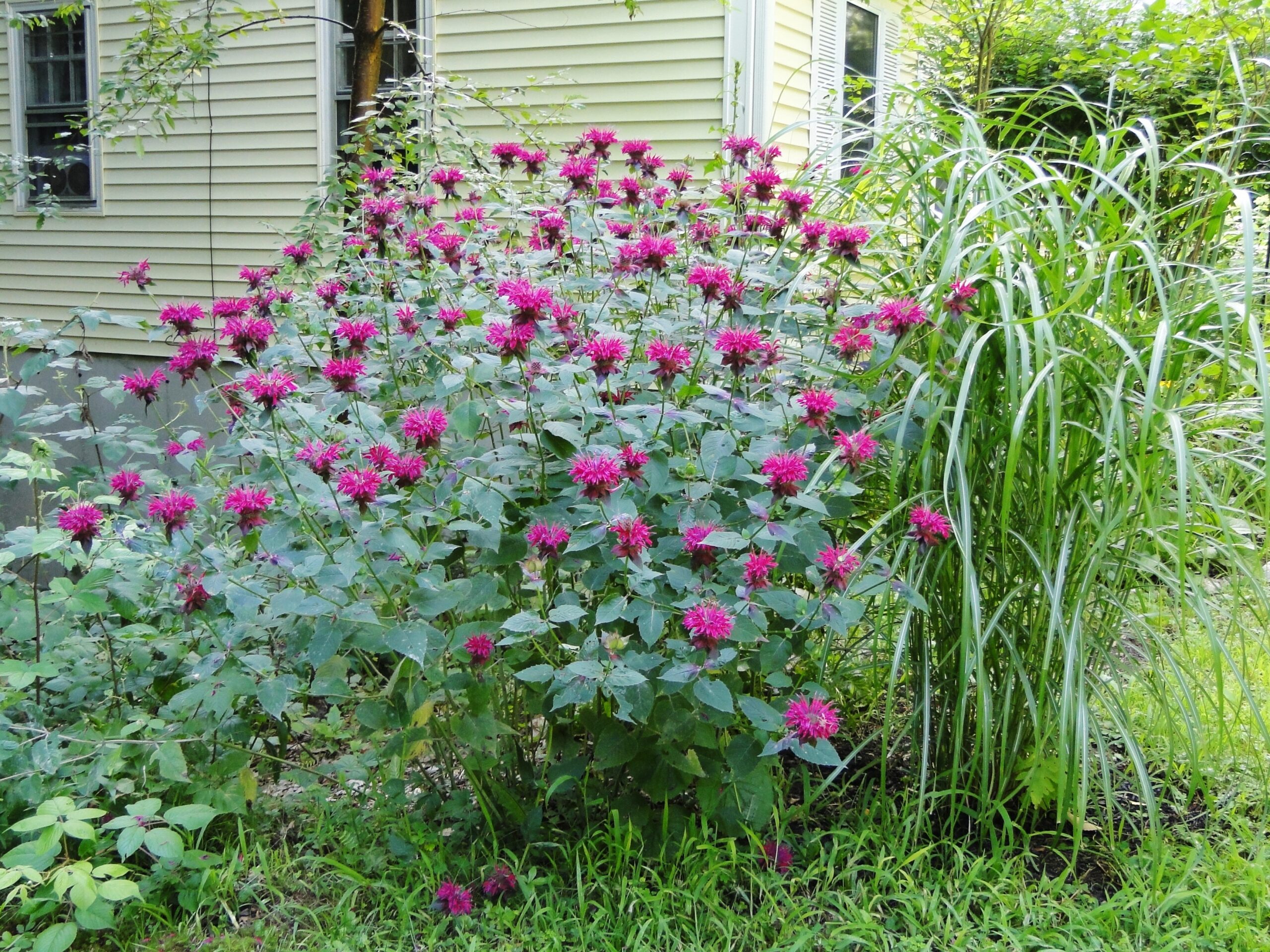 Bee Balm (Monarda spp.)
A native perennial with shaggy red, pink, or purple blooms that draw hummingbirds and butterflies in midsummer. Give it good air circulation to keep powdery mildew in check.
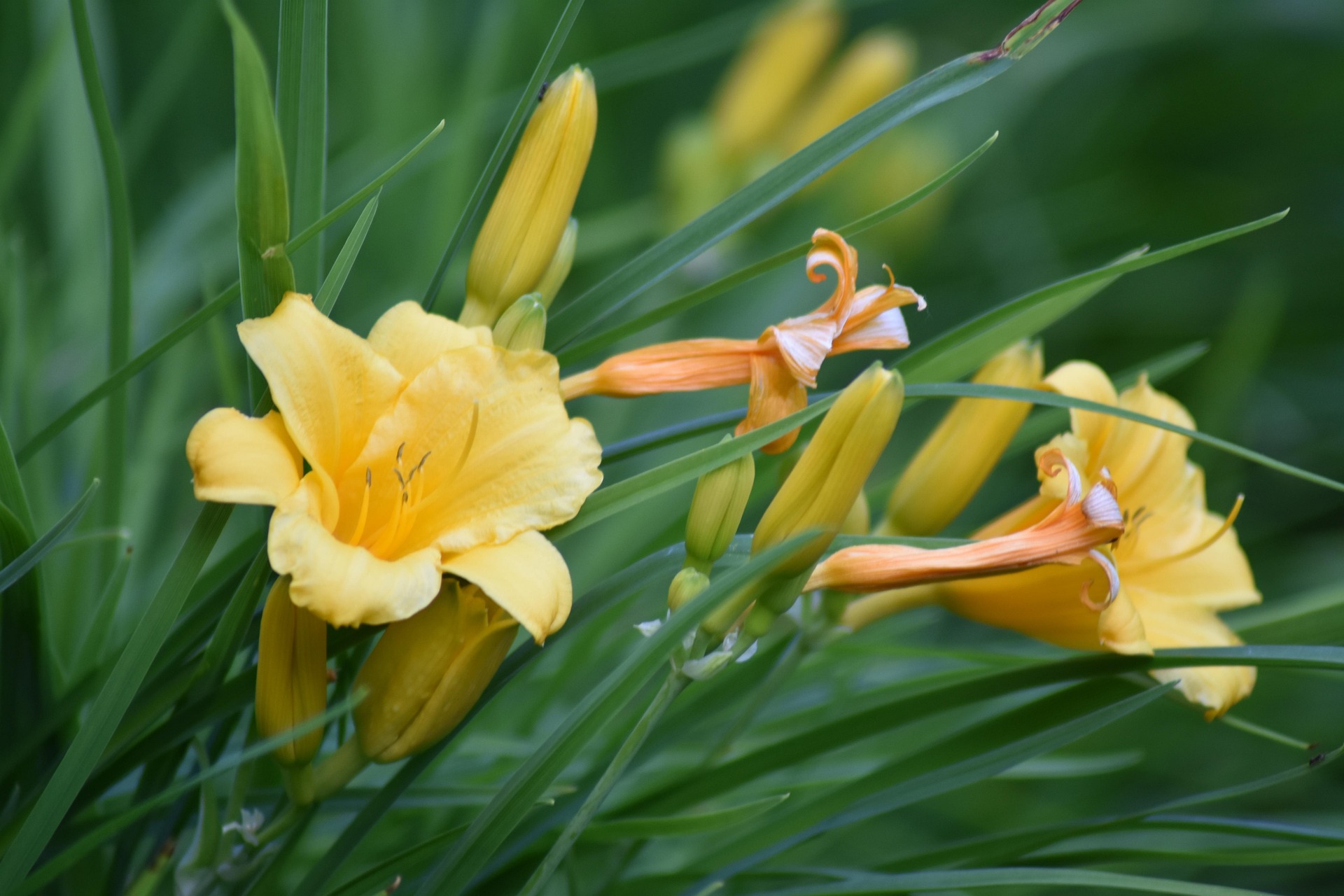 Daylily (Hemerocallis spp.)
Nearly indestructible in our climate and available in hundreds of colors, daylilies shrug off heat and produce dozens of buds over a long season. Divide the clumps every few years when they crowd.
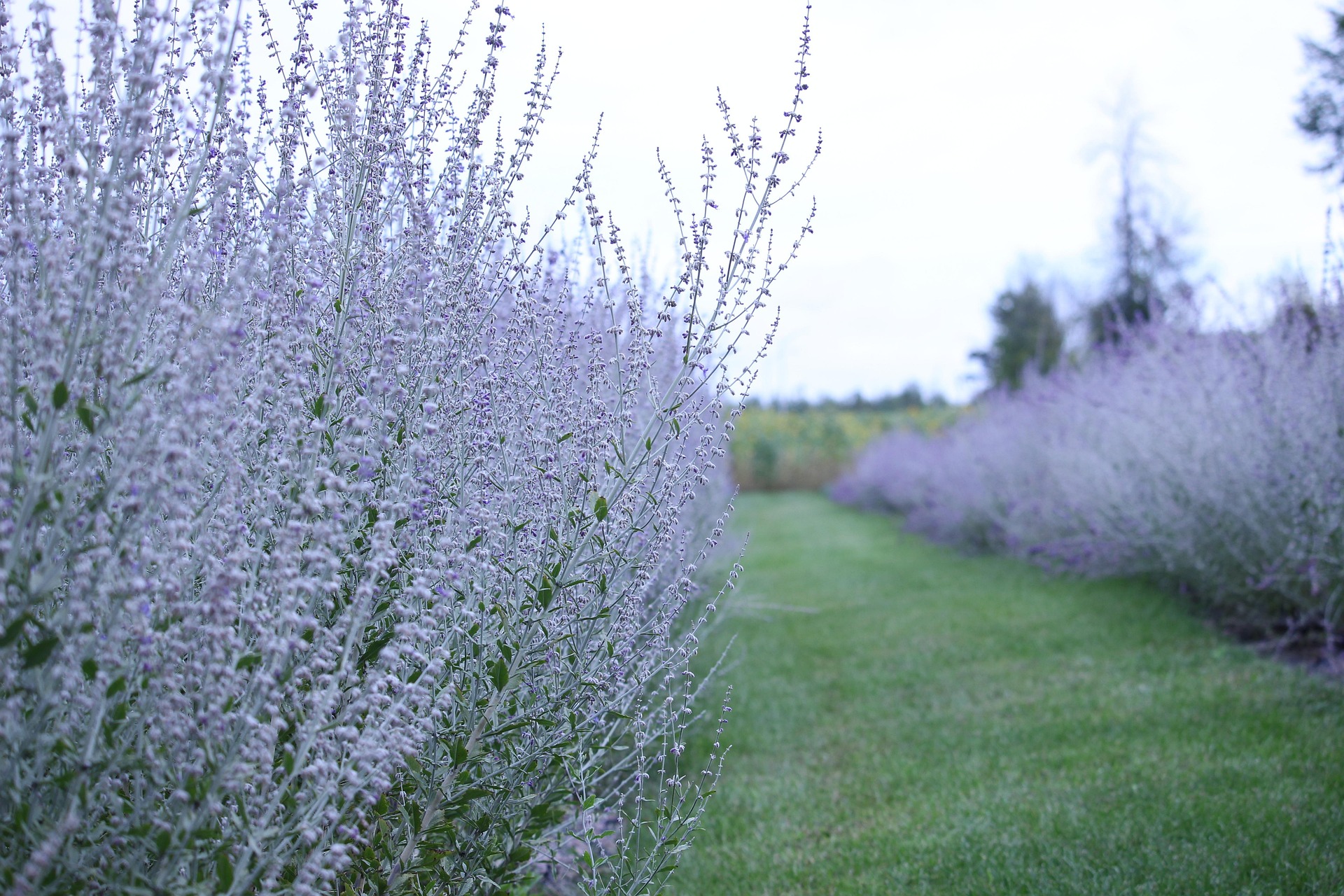 Russian Sage (Perovskia atriplicifolia)
A tough perennial with airy purple flower spikes and silvery, aromatic foliage that deer avoid. It loves hot, dry, well-drained sites and blooms from mid to late summer.
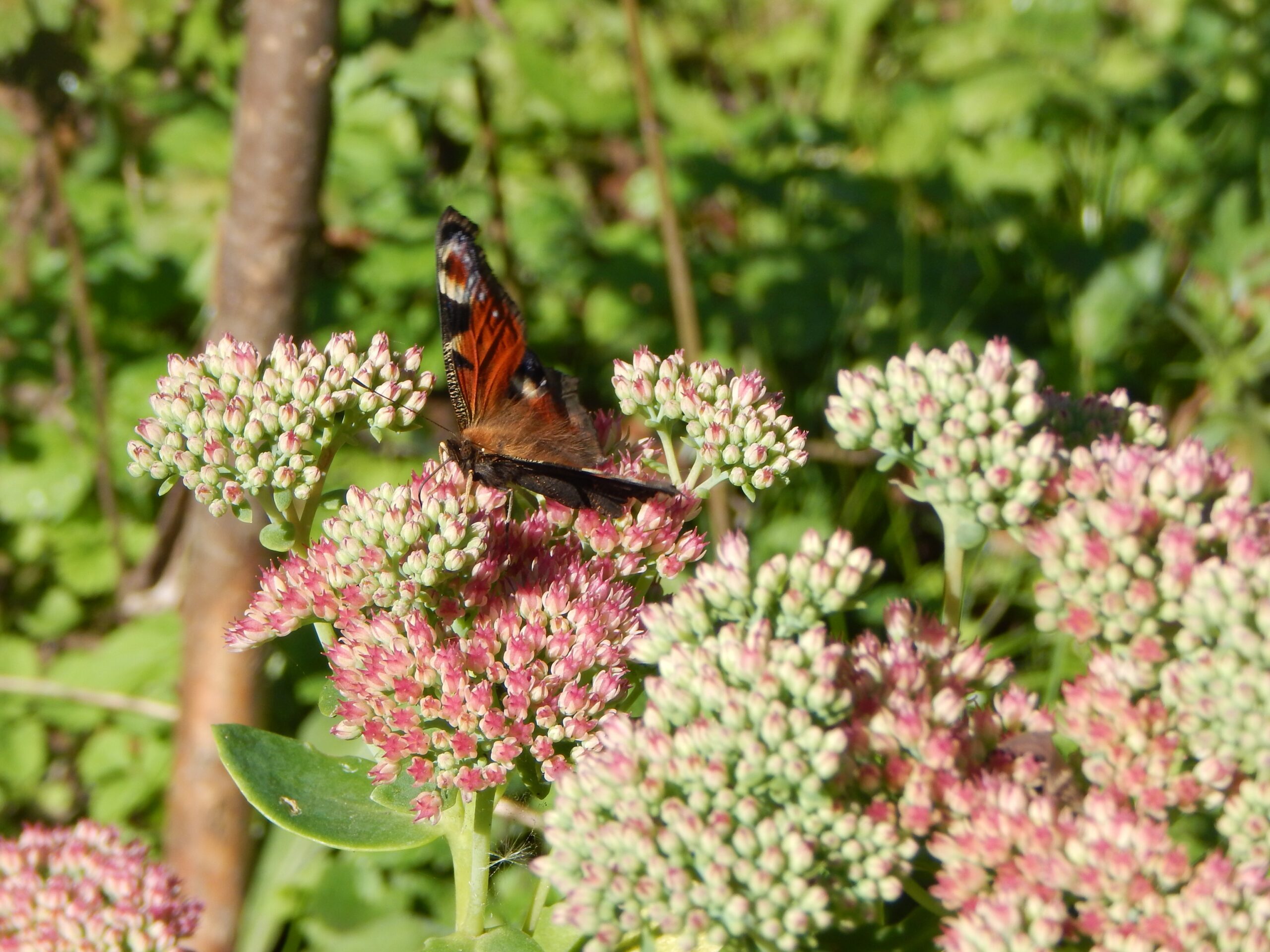 Autumn Stonecrop (Sedum ‘Autumn Joy’)
A succulent perennial built for heat and drought, with fleshy foliage all season and rose-pink flower clusters that deepen in fall. Excellent at the front of a bed and a reliable late nectar source.
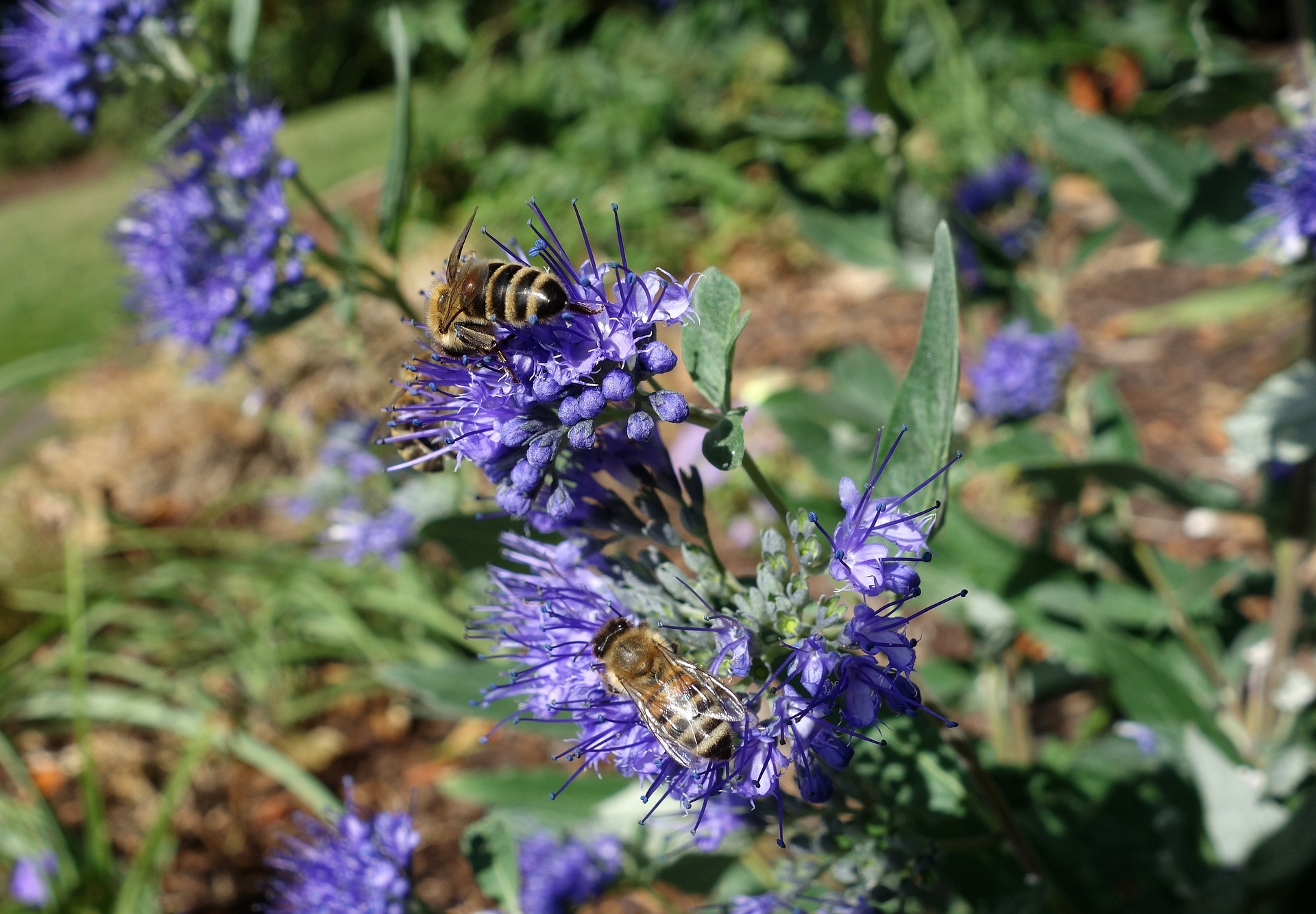 Bluebeard (Caryopteris x clandonensis)
A compact, well-behaved shrub that blooms an uncommon blue in late summer, drawing bees when little else is flowering, with aromatic silvery-green foliage. It thrives in hot, dry, well-drained sites and blooms on new wood, so cut it back in early spring.
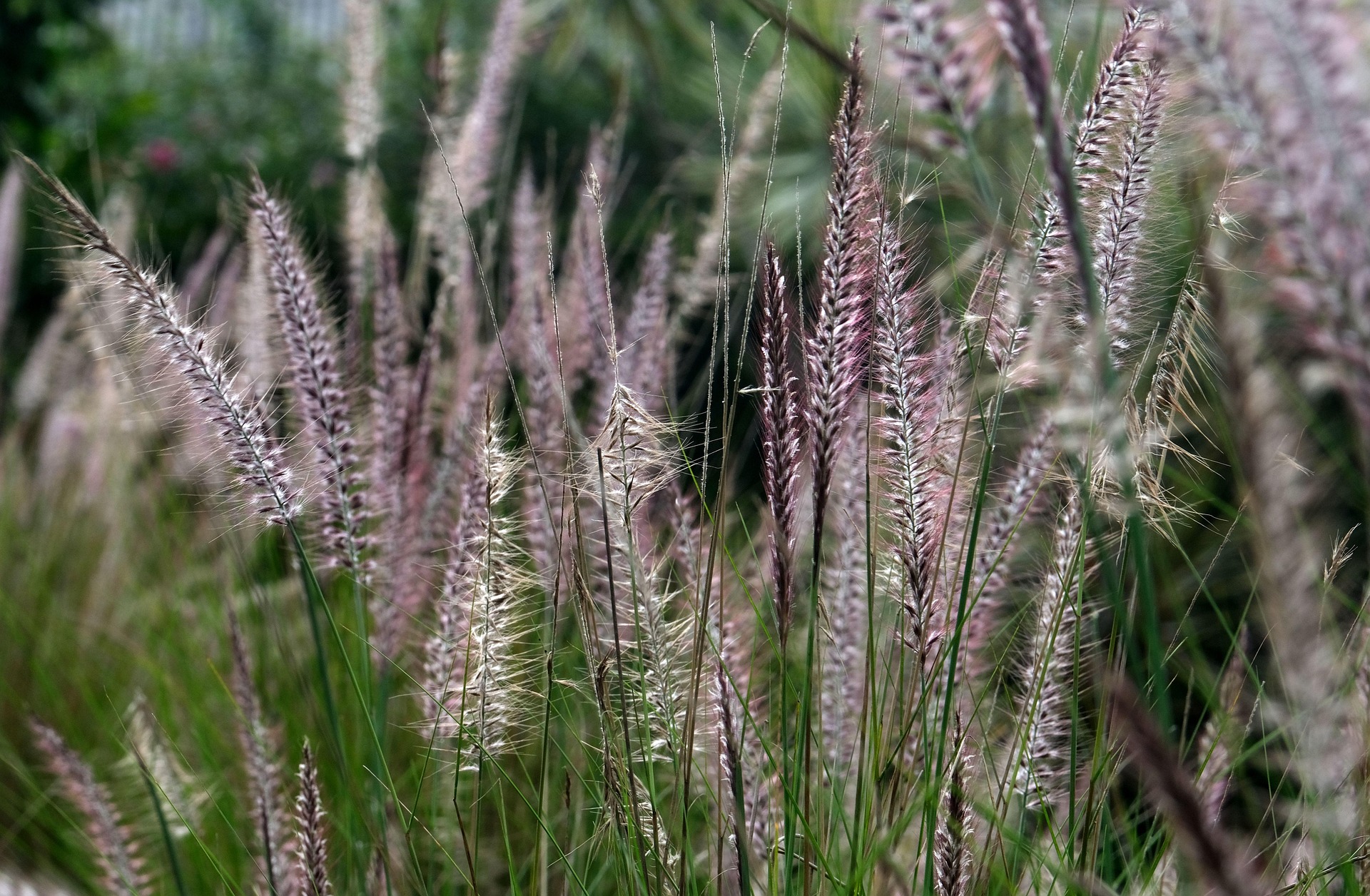 Purple Fountain Grass (Pennisetum setaceum ‘Rubrum’)
A tender grass grown as an annual here, prized for burgundy foliage and arching, feathery plumes. It reaches three to four feet and makes an ideal thriller in a large container or the back of a sunny bed.
Container Plants for Full Sun
Containers heat up fast and dry out faster, so they need plants that welcome it. Strong choices include Fountain grass (Pennisetum), sweet potato vine (Ipomoea), lantana (Lantana camara), and trailing petunias (Calibrachoa), all of which bloom hard in heat and tolerate the dry spells a pot can create.
Use a light, fast-draining potting mix rather than garden soil, which compacts and holds too much water in a container. In peak heat, most sunny pots need daily watering, and a self-watering planter or a saucer can buy you a day when it climbs into the nineties.
Design Tips to Add Color in Hot Sun
Color choices carry a sunny bed, and a little planning keeps it from looking scattered.
Pick a palette and commit.
Three combinations that consistently work: hot tones (red, orange, gold) for energy; cool tones (purple, blue, silver) to calm a bright space; and a simple yellow-and-purple pairing that always reads as balanced. Choose one and let it lead.
Repeat colors through the bed.
Repeating a color at intervals pulls the eye across the whole planting and makes a mixed bed feel cohesive rather than busy. Odd-numbered groupings of three or five look more natural than single specimens.
Layer heights for the season.
Put grasses or taller perennials at the back, mid-height bloomers in the middle, and low or trailing plants at the front edge. Layering adds depth and keeps something worth looking at as different plants take their turn.
> Want more landscaping ideas for your Ohio home?
Click Here to Read our Blog
Maintenance in Scorching Heat
Mulch to hold moisture.
A two-inch layer of mulch keeps soil cooler, slows evaporation, and buffers roots against temperature swings. Keep it pulled back slightly from stems to prevent rot.
Water deeply and infrequently.
Deep, less frequent watering helps roots grow downward and builds drought resilience, while daily sprinkles keep roots shallow and vulnerable. Water early in the morning so foliage dries before evening, which reduces disease in humid weather.
Time pruning to reduce stress.
Avoid hard pruning during a heat wave, since it pushes tender new growth that scorches. Save shaping cuts for cooler mornings or the shoulder seasons, and stick to light deadheading in peak summer.
Plant Comparison Table
| Plant | In Ohio | Mature Size | Bloom Season | Water Needs | Heat Tolerance | Best Use |
|---|---|---|---|---|---|---|
| Black-Eyed Susan | Perennial (Zone 3-9) | 2-3 ft | Midsummer to fall | Low | High | Beds, mass plantings |
| Purple Coneflower | Perennial (Zone 3-8) | 2-4 ft | Midsummer to fall | Low | High | Beds, pollinator gardens |
| Coreopsis | Perennial (Zone 4-9) | 1-2 ft | Early summer to fall | Low | High | Borders, edging |
| Daylily | Perennial (Zone 3-9) | 1-3 ft | Early to midsummer | Low | Very high | Beds, slopes |
| Russian Sage | Perennial (Zone 4-9) | 3-4 ft | Mid to late summer | Very low | Very high | Hot, dry beds |
| Autumn Stonecrop | Perennial (Zone 3-9) | 1-2 ft | Late summer to fall | Very low | Very high | Bed fronts, edging |
| Panicle Hydrangea | Shrub (Zone 3-8) | 6-8 ft | Mid to late summer | Moderate | High | Foundations, hedges |
| Bluebeard | Shrub (Zone 5-9) | 2-3 ft | Late summer | Very low | Very high | Beds, hot dry sites |
| Eastern Redbud | Tree (Zone 4-8) | 20-30 ft | Early spring | Moderate | High | Specimen, focal point |
| Purple Fountain Grass | Annual | 3-4 ft | Foliage and plumes | Low to moderate | High | Containers, accents |
For containers, moss rose, lantana, and purple fountain grass are the standouts. For in-ground beds you want to return each year, the native perennials and shrubs above are the reliable backbone.
Troubleshooting Heat Stress and Pests
Wilting during the hottest part of the day is normal and usually passes by evening. Wilting that persists into morning signals a water deficit. Scorched leaf edges, faded color, and dropped buds are other common signs a plant is struggling in the heat.
For a plant in distress, water deeply at the base and add temporary afternoon shade with a lightweight cloth until it recovers. Heat also encourages spider mites, which thrive in hot, dry conditions and stipple leaves with fine yellow speckling, so check the undersides of leaves and rinse them off early if you spot them.
A Seasonal Care Guide for Hot Sites
Spring: Prepare beds as soil warms, amending clay with compost for drainage. Plant perennials, shrubs, and trees early so they establish roots before summer, and wait until after the first week of May to set out heat-loving annuals.
Summer: Water deeply in the early morning and adjust upward in a heat wave, checking containers daily. Deadhead lightly to keep annuals blooming, and refresh mulch if it has thinned. Hold off on heavy pruning until temperatures ease.
Fall: Ease back on watering as growth slows. Leave perennial seed heads standing for winter interest and birds, and let frost take the annuals before clearing containers. A layer of mulch after the ground cools helps perennials and shrubs through Ohio’s freeze-thaw winters.
> Read More to learn about the Best Ohio Shade Perennials
 About Grunder Landscaping Co.
Grunder Landscaping Co. has been designing, installing, and maintaining landscapes in the Dayton area since 1984 and the Cincinnati area for more than a decade. We know this climate well, from the humid summers and clay soils that shape every plant decision to the selections that consistently perform in southwest Ohio. Whether you’re starting from scratch or improving what you have, our team of horticulturalists and designers is here to help. Contact us to learn more.
get started