
What Is Landscaping? Everything You Need to Know
Most people have a general sense of what landscaping means: plants, patios, maybe a retaining wall. But the term covers a lot of ground, and understanding what landscaping is helps you make better decisions when it’s time to improve your property.
This guide explains what landscaping is, how it differs from lawn care, what a landscape project typically involves, and how to find the right people to help you do it well.
What Is Landscaping?

Kettering, OH
Landscaping is the process of modifying and maintaining the visible features of a piece of land to make it more functional, attractive and sustainable.
That includes everything above and below the surface:
- grading the terrain
- installing hardscape (patios, retaining walls, etc.)
- selecting and planting vegetation
- managing drainage
- and providing ongoing care to keep the space looking its best.
The scope ranges widely. A small residential project might involve replacing a tired front yard plant bed and adding a paver walkway. A large commercial property landscaping project might require a full redesign of entry approaches, parking island plantings, seasonal color rotations, and a snow removal plan. What both share is an intentional approach to how an outdoor space looks, functions and holds up over time.
Landscaping serves homeowners looking to create more enjoyable outdoor areas, commercial property owners who need their grounds to make a strong first impression, and anyone whose property has drainage problems, erosion concerns, or simply years of deferred maintenance to address.
Landscaping vs. Lawn Care
These two terms get used interchangeably, but they describe different things.

Washington Township, OH
Lawn Care
Lawn care focuses specifically on the turf: fertilization, weed control, aeration, overseeding, and pest management. It’s recurring, program-based work aimed at keeping your grass healthy and dense. A lawn care provider typically visits on a set schedule and applies treatments calibrated to the season and your grass type.
Landscaping
Landscaping is broader. It includes the design and installation of planting beds, hardscape features, trees and shrubs, grading, drainage solutions, and irrigation systems, along with maintaining outdoor spaces to keep all of those elements in good condition over time. Lawn care is often one component within a larger landscape maintenance program, but it’s not the whole picture.
Example: having a company apply a six-round fertilizer and weed control program to your turf is lawn care. Designing and installing a new paver patio with surrounding planting beds, grading the yard to resolve a drainage problem, and establishing a maintenance schedule to keep everything looking sharp is landscaping.
Components of Landscaping

Lebanon, OH
Softscape
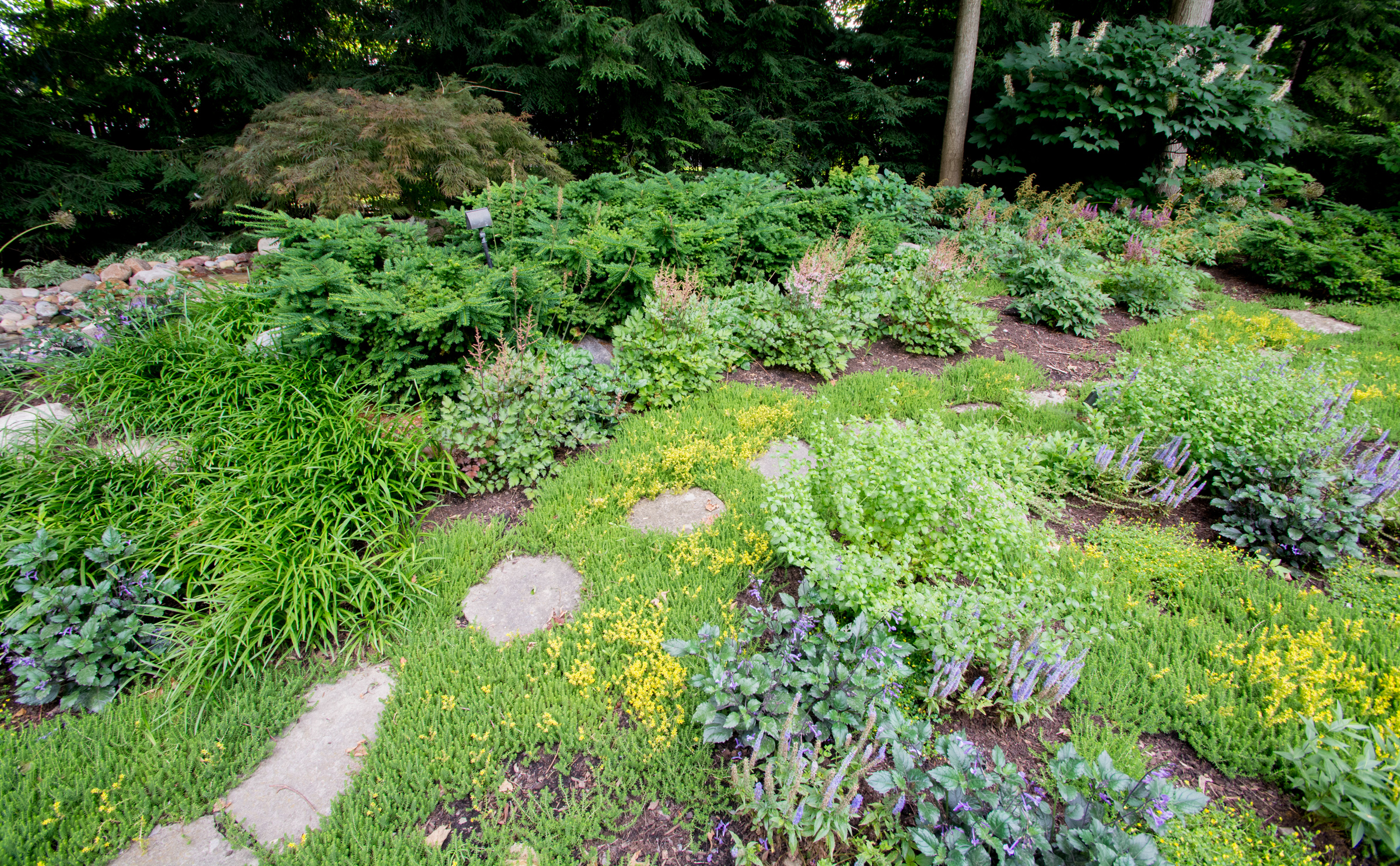
Softscape refers to the living elements of a landscape: trees, shrubs, perennials, annuals, ornamental grasses, and ground covers. These living materials are what give a landscape its color, texture, and seasonal character.
Plant selection is one of the most important decisions in any landscaping project. The wrong plant in the wrong place creates ongoing problems, while the right plant species, properly sited, largely takes care of itself once established (just some typical maintenance).
In Ohio’s local climate, that means choosing plants suited to the 6a/6b USDA hardiness zone, clay-heavy soils, humid summers, and changing spring weather. Getting help from someone with great horticultural knowledge is what can make a huge difference here.
Hardscape
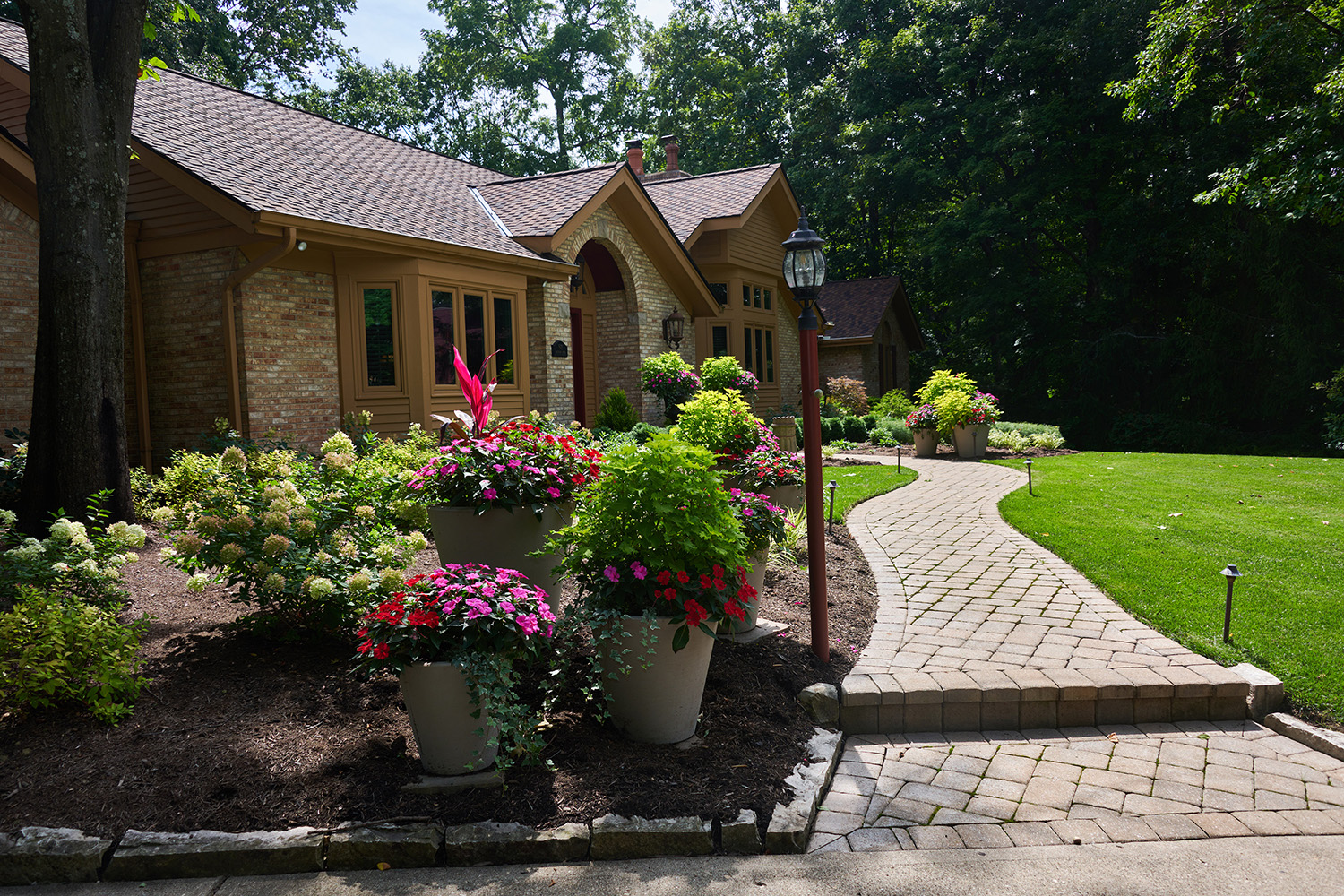
Hardscape covers the built, non-living structural elements: patios, walkways, driveways, retaining walls, steps, fire features, outdoor kitchens, pergolas, and other building structures. These elements define how a space is used and how people move through it.
Selecting appropriate materials matters here too, particularly in freeze-thaw climates where the ground shifts seasonally. Pavers and natural stone handle that movement differently than poured concrete. The right hardscape, thoughtfully designed and installed, contributes significantly to the appeal and long-term value of your property.
Irrigation and Drainage
Neither plants nor hardscape hold up well without proper water management. Efficient irrigation systems deliver consistent moisture to planting beds and turf without overwatering, reducing both maintenance costs and water waste over time. Irrigation installation should happen early in the construction sequence, before hardscape goes in, so lines aren’t buried under finished surfaces. Drainage solutions, whether French drains, swales, regraded slopes, or rain gardens, move water away from structures and low spots where it would otherwise pool and cause root rot, erosion, or foundation damage. Getting these systems right during installation saves significant money down the road.
Mason, OH
Lighting
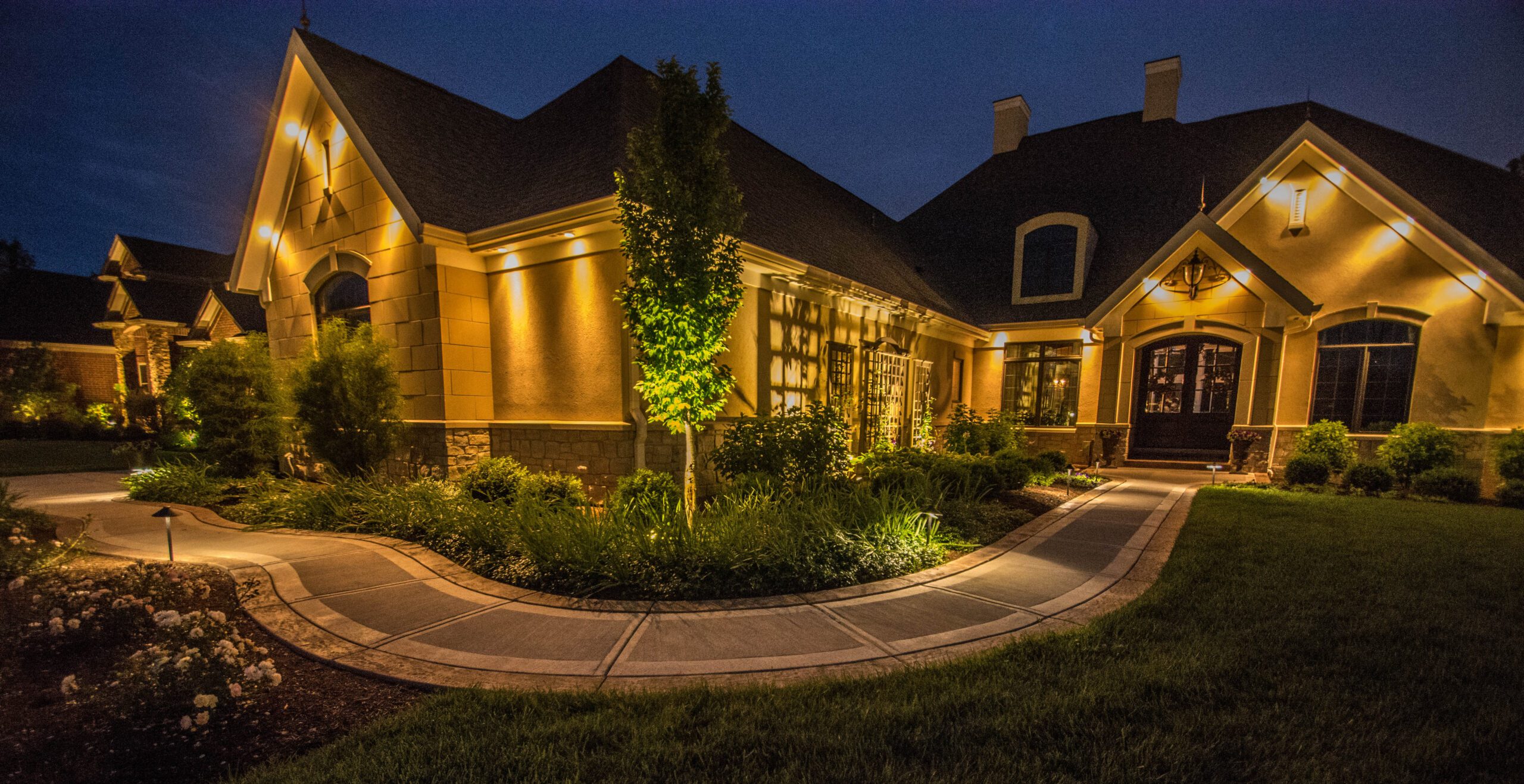
Landscape lighting extends the usability and visual appeal of outdoor spaces well past sunset and gives a property a finished, considered appearance in every season. This can include path lights along walkways, uplighting at the base of trees or architectural features, and wash lighting across planting beds or the home’s facade. The best designs layer a few of these options rather than relying on any one option.
A detail worth knowing if you’re planning ahead: it’s significantly easier and less expensive to run conduit for lighting wire before pavers are set than after. Integrating lighting into a hardscape project from the start avoids the cost of pulling up finished work later.
Landscape Design
Before any installation begins, a successful landscaping project starts with a plan. A landscape designer or landscape architect surveys the property, gathers information about how the client uses the space and what they want from it, and develops a concept that brings those goals together.
A well-developed design for a well-designed landscape usually includes a scaled site plan showing the layout of all proposed features, plant selections with notes on siting and mature size, hardscape details, and grading and drainage considerations. Planting flowers and other softscape elements are specified with attention to bloom time, mature size, and soil management requirements so the finished landscape project performs across all four seasons.
Design affects construction sequencing in ways that aren’t always obvious to homeowners. The order in which work happens, grading first, then utilities, then hardscape, then planting, exists for practical reasons. Skipping or reordering steps typically creates problems that cost more to fix than they would have to prevent.
How a Landscaping Project Runs
Site Analysis and Planning
A thorough site analysis is the first step of any good landscaping project. A professional landscaper evaluates sun and shade patterns, existing vegetation, soil quality, drainage flow, utilities, and property lines before a single decision is made about design or materials. This information shapes every choice that follows, from plant selection to hardscape layout to grading approach.
Construction Phase
The construction phase follows a specific sequence.
- Site preparation and grading come first, establishing the elevations everything else is built on.
- Proper grading is one of the most important steps in the entire project: it determines where water goes, how hardscape settles and whether plants thrive or struggle.
- Irrigation lines, drainage infrastructure, and lighting go in next, before any hardscape covers the ground.
- Hardscape construction follows: patios, walls, walkways, and structures.
- Planting comes after hardscape is complete.
- Mulching and final cleanup close out the project.
Hardscape Construction
Hardscape work involves excavation, base preparation, material installation, and finishing.
Base preparation is where most hardscape failures happen: If compaction isn’t done right or the base depth is off, it leads to settling, heaving, and uneven surfaces. Selecting the materials should account for the freeze-thaw cycles common across Ohio. Natural stone, quality concrete pavers, and properly mixed poured concrete with appropriate control joints all perform well when installed correctly.
Planting and Softscape Installation
Indian Hill, OH
Soil health matters more than most homeowners realize before planting. Compacted or nutrient-deficient soil is a significant problem in many Ohio yards, especially on newer construction sites where topsoil was disturbed or removed during building. Good soil management, including amendment and, where needed, replacement, gives roots the conditions they need to establish. Planting schedules should account for species-specific timing: fall is generally the best time to plant trees/shrubs and perennials in Ohio, as cooler temperatures and fall rains support root development before winter.
Hiring a Landscaping Company
Finding a company with the right skills for your project matters more than finding the lowest quote. The difference between a landscape that holds up well for twenty years and one that needs significant repairs in year five is almost always the quality of the installation, not the quality of the plants or pavers. Here’s what to look for.
Are they licensed, insured, and do they pull permits when required?
Legitimate companies carry liability insurance and workers’ compensation coverage. If something goes wrong on your property during a project and the company isn’t insured, you may be left holding the cost. Permit requirements vary by municipality, but a responsible contractor knows when permits are needed and handles them without being asked.
Can they show you comparable work?
Ask for photos of recently completed projects similar in scope to yours, and ask for references you can actually contact. A company confident in its work will have both readily available. Online reviews are useful context, but a direct conversation with a past client who had a similar project tells you much more.
Who will be your point of contact, and how will they communicate?
You want a clear answer on who manages your project, how often you’ll hear from them during installation, and what the process is if something needs to change mid-project. Responsive communication before you sign a contract is usually a reliable indicator of how a company operates once work is underway.
Do they have horticultural knowledge on staff?
Plant selection and long-term maintenance require more than construction skill. Companies with trained horticulturalists on their team are better equipped to make sound plant recommendations, identify problems early, and provide maintenance that keeps a landscape healthy rather than just tidy.
How do they handle problems?
Every project of any size encounters something unexpected, whether it’s a utility line in an inconvenient location, a plant that isn’t available, or weather that pushes the schedule back. Ask how they’ve handled a challenge on a past project. A company that answers that question directly and specifically is one that’s experienced enough to have faced real problems and resolved them.
Landscaping Services and Maintenance
Professional landscaping services typically fall into two broad categories: installation and maintenance.
Installation covers design, hardscape construction, planting, efficient irrigation, drainage systems, lighting, and specialty features like pools and outdoor kitchens. These are project-based engagements with a defined scope and timeline.
Landscape maintenance keeps an installed landscape in good condition over time, preserving both its appeal and its long-term value. A complete program typically includes spring and fall cleanups, pruning, weeding, mulching, fertilization, seasonal color rotations, and plant health care. Some companies offer tiered programs that bundle services around a dedicated crew and regular horticultural visits, which is particularly effective for properties with complex planting or high visual standards.
Ongoing Maintenance
The frequency of routine tasks depends on the season and the complexity of the landscape. Mowing, pruning, and weeding need attention throughout the growing season. Mulch typically needs refreshing once a year in spring (read our article on choosing mulch vs rock for your landscape). Irrigation systems should be inspected each spring and properly winterized each fall. When changing landscaping companies or taking over care of a new property, ask for documentation on what’s been planted, what maintenance has been performed, and any ongoing treatments in progress. That information saves time and prevents gaps in care.

Kettering, OH
Benefits of Professional Landscaping
Improved curb appeal. A well-maintained, thoughtfully designed landscape signals that a property is cared for. For homeowners, that matters every day. For commercial properties and public spaces, it directly affects how tenants, customers, and visitors experience the environment.
Property value. Research from Virginia Tech found that professional landscaping can increase residential property values by 10 to 12 percent compared to minimal or average landscaping, making it one of the stronger returns available for home improvement investments.
Environmental impact. Well-designed landscapes do real work for both the environment and the people who use them. Deep-rooted native plantings reduce stormwater runoff, improve soil health, and support local wildlife. Strategic tree placement reduces cooling loads in summer and improves air quality. Rain gardens and permeable hardscape reduce erosion and recharge groundwater. Eco-friendly practices like using native plants and efficient irrigation systems compound these benefits over time.
Outdoor livability. A backyard with a patio, comfortable planting, and proper drainage is a usable extension of your home. Enjoyable spaces that are designed for how you actually live, whether that’s entertaining, playing with kids, or simply sitting outside, get used. Outdoor areas without that intentional design often don’t.
Budget, Timeline, and Permits
Landscaping budgets vary significantly with scope, materials, and site conditions. Installation projects are priced individually based on the specifics of the design, and getting a quote requires a site visit. What’s worth knowing up front: base preparation, drainage work, and quality materials cost money, and cutting corners on any of them tends to create more expensive problems later.
Timeline planning should include a buffer for weather delays, particularly in Ohio’s spring, when wet conditions can push construction windows back by weeks. Fall is often a more reliable installation season for hardscape. For plant material, lead time matters too: specialty trees, certain shrubs, and custom-order items may need to be sourced weeks in advance.
Permit requirements vary by municipality. Retaining walls above a certain height, pools, decks, and work within utility easements or setbacks commonly require permits. Your landscaping company should know what’s required in your area, but it’s worth asking directly before a project begins.
Common Mistakes and Simple Fixes
Poor drainage planning. Water that has nowhere to go will find somewhere, usually into a foundation, under a patio, or pooling in a low spot that kills plants and creates a muddy mess. Proper grading during site preparation directs water away from structures and toward appropriate outlets. On existing properties with drainage problems, solutions include regrading, French drains, or converting problem areas into rain gardens designed to absorb and filter runoff.
Inappropriate plant selection. Plants chosen for how they look in a nursery rather than how they’ll perform on your site create ongoing frustration. A plant species that needs full sun and well-drained soil will decline in clay and shade, regardless of how well you care for it. Matching plant selection to actual site conditions, including light, soil quality, drainage, and mature size, is the most reliable way to build a functional environment that improves over time.
Skipping base preparation. Both hardscape and planting depend on what’s done below grade. Compacted gravel base layers under hardscape prevent settling. Soil management and amendment before planting gives roots the conditions they need to establish. These steps add time and cost to a project, but they’re also why a properly installed landscape holds up for decades rather than years.
DIY vs. Hiring a Professional
Kettering, OH
Some landscaping tasks are well-suited to a capable homeowner. Cultivating plants in small garden beds, adding mulch, planting flowers in established beds, and lawn care are all manageable DIY projects with modest risk if something doesn’t go perfectly.
Other tasks consistently produce better outcomes when handled by professionals: grading and drainage work, retaining wall construction, hardscape installation requiring proper base preparation, large tree planting and removal, irrigation installation, and any project involving permits or utility considerations. At the end of the day, you’ll get the result that looks the best, functions well and lasts the longest when you hire a professional.
Seasonal Maintenance Calendar
Seasonal work keeps most landscapes in good shape. A general landscaping/lawn care calendar includes:
- Spring: Cleanup including leaf removal, bed edging, and pruning of winter-damaged material. Mulch refresh after the soil warms. Irrigation startup and inspection. First lawn care application.
- Summer: Regular mowing and pruning. Monitoring for pest or disease issues. Watering management during dry stretches.
- Fall: Seasonal maintenance wraps up with cleanup, final lawn care applications, aeration and overseeding if needed, and irrigation winterization. Fall is also the best time to plant trees and shrubs in Ohio.
- Winter: Snow removal as needed, and planning for spring projects.
Frequently Asked Questions
What is landscaping?
Landscaping is the process of designing, installing, and maintaining outdoor spaces by combining living plants, built structures, grading, drainage, and lighting to create functional environments that are both attractive and sustainable.
How long does a landscaping project take?
Scope determines timeline. A straightforward planting and patio project might take one to two weeks of active installation. Larger projects involving significant grading, pools, or complex hardscape can run several months. Build in buffer for weather delays, particularly in spring.
What do landscaping services typically include?
Most companies offer design, installation, and maintenance. Installation covers hardscape construction, planting, irrigation, and drainage. Maintenance programs include mowing, pruning, mulching, fertilization, and seasonal cleanups. Lawn care is often offered separately or as part of a broader maintenance program.
About Grunder Landscaping Co.
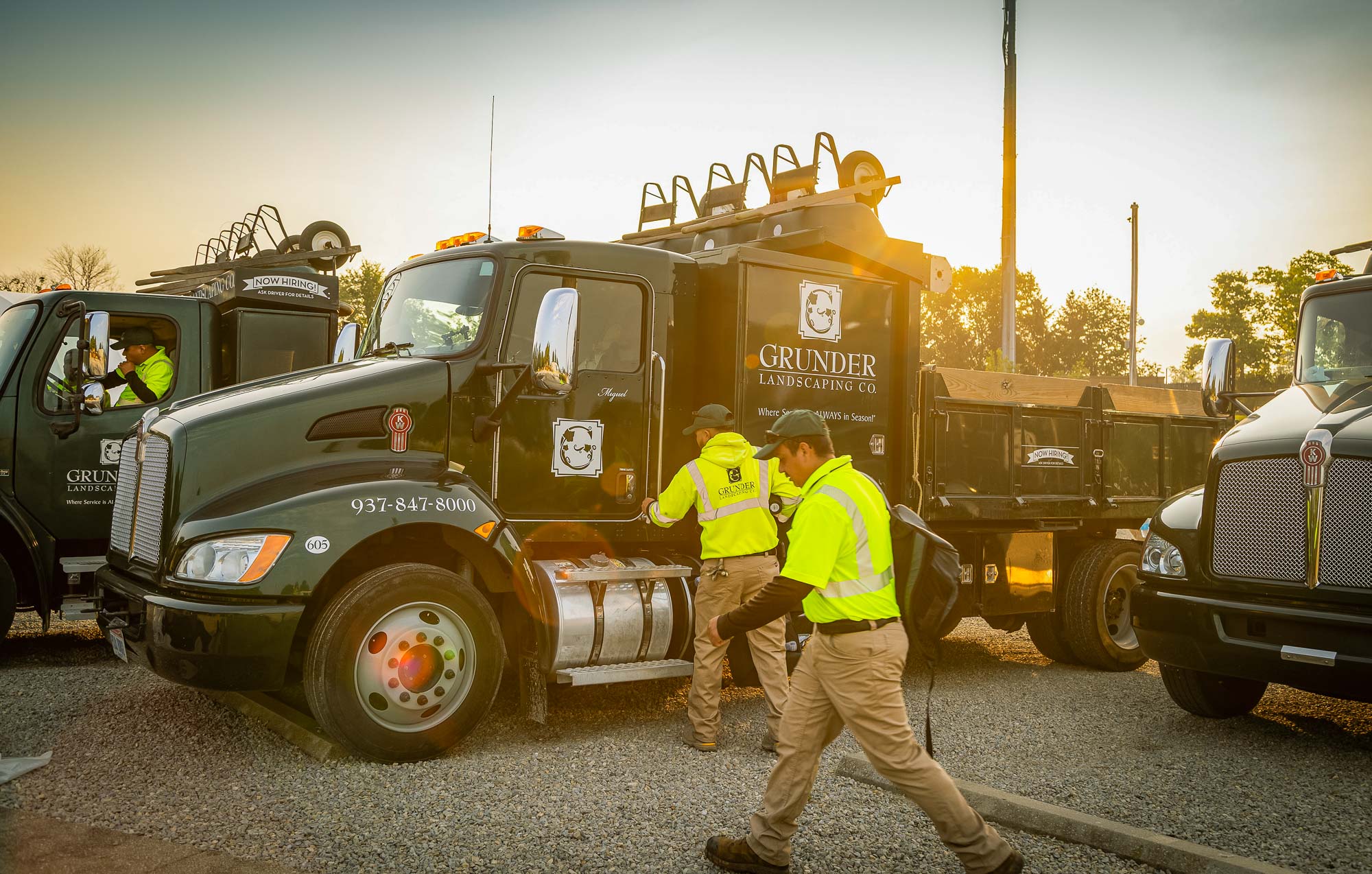
Grunder Landscaping Co. has been designing, installing, and maintaining landscapes in the Dayton area since 1984 and has served the Cincinnati market for more than a decade. We know this climate well: the conditions that define it, the challenges it creates, and the approaches that consistently work. Whether you’re starting from scratch or improving what you have, our team is here to help. Contact us to learn more.
get started