
What Is Commercial Landscaping and Why Does It Matter for Your Property?
If you manage or own a commercial property and you’re not sure whether you need a commercial landscaping company or just a lawn service, you’re not alone. The difference matters, and so does finding the right fit. This article explains what commercial landscaping actually is, who it’s for, what a good program includes, and how to tell whether a company is worth hiring.
What Is Commercial Landscaping?
Commercial landscaping is the full range of services that keeps a business property looking professional, functioning safely, and holding its value over time. It covers everything from routine mowing and bed maintenance to seasonal color rotations, snow and ice removal, irrigation management, and landscape design and installation.
Unlike residential landscaping, which is built around how a family uses a home, commercial landscaping is built around how a business operates. The stakes are different. So are the scale, the scheduling demands, the liability considerations, and the expertise required to do the work well.
Who Needs a Commercial Landscaping Service?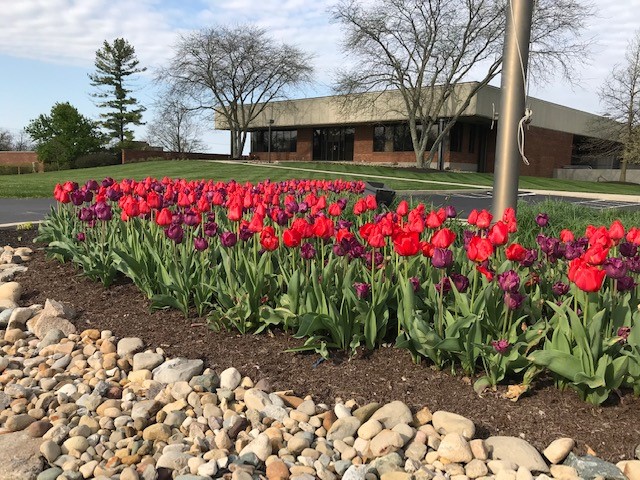
Commercial landscaping is the right fit for any property that is regularly visited by customers, tenants, employees, or the public. That might include:
- office buildings
- campuses
- retail centers
- shopping plazas
- medical facilities/hospitals
- industrial and warehouse properties
- apartment communities and HOAs
- mixed-use developments.
If your property has significant planted areas, hardscape, or turf that needs to look right on a consistent schedule regardless of weather or season, you need a commercial landscaping service rather than a residential one.
Signs Your Property Isn’t Getting What It Needs
Not every property with a landscaping contract is getting good commercial landscaping. Some signs that your current situation isn’t working:
- Your landscaping looks fine right after service, but declines quickly between visits. This can point to a crew that’s mowing and moving on without addressing bed health, plant decline, or emerging pest and disease issues.
- You find out about problems after they’re already visible. A good commercial landscaper is proactive. If you’re learning about a dead tree, a drainage issue, or a failing planting from a tenant or visitor rather than from your landscaping company, that’s a gap in service.
- Service quality is inconsistent from visit to visit. Crew turnover and subcontractor use are common culprits. The people showing up should know your property, not be learning it every few weeks.
- You can’t get a straight answer on what’s included. If you’re unclear on what your contract covers or what triggers an additional charge, that ambiguity will cost you eventually.
What a Good Commercial Landscaping Program Can Include
Commercial Landscape Maintenance
Ongoing maintenance is the foundation of any commercial landscaping program. For most properties in the Dayton and Cincinnati area, that means:
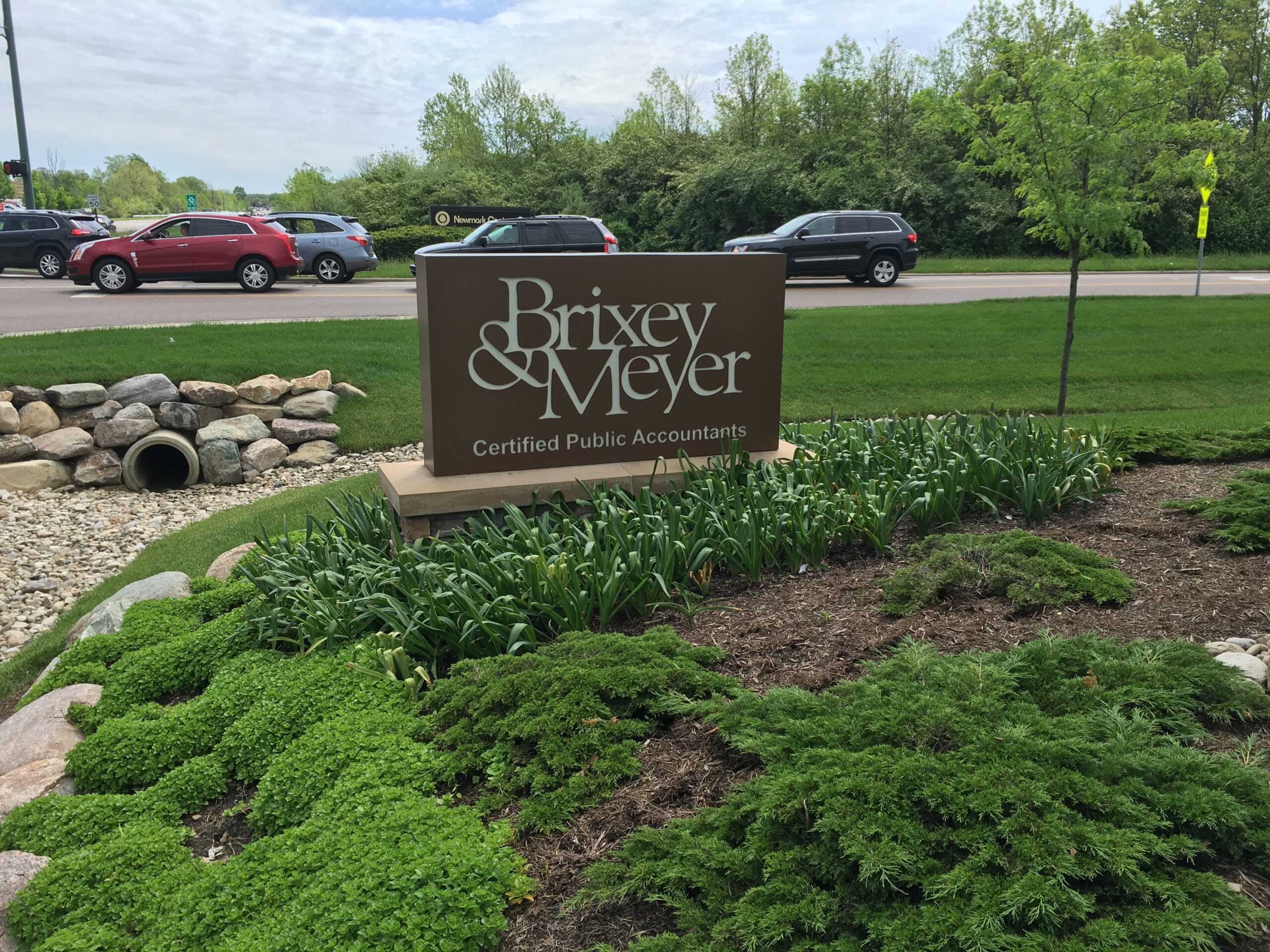
- Mowing, edging, and turf care. Regular mowing on a reliable schedule, clean edges along sidewalks and beds, and turf fertilization and weed control. Turf condition is one of the most visible indicators of how a property is managed.
- Bed maintenance. Pruning trees and shrubs, weeding, mulching, and monitoring plant material for pest and disease issues. Overgrown or declining plants send a clear message about how well a property is maintained.
- Seasonal color. Rotating annuals through planting beds and entry containers keeps a property looking intentional through the year. The difference a well-executed seasonal color program makes at a building entry is significant.
- Seasonal cleanup and leaf removal. Spring and fall cleanups remove debris, prepare beds for the season ahead, and prevent buildup that damages turf and plantings over winter.
- Snow and ice management. For commercial properties in southwest Ohio, keeping parking lots, walkways, and entries clear during winter weather is a safety and liability issue. A good partner plans ahead for forecasted events and has the equipment to respond quickly.
Commercial Landscape Design
Properties also periodically need new work like redesigning an entry, replacing failing plantings, correcting drainage problems, or adding hardscape features like walking paths or retaining walls. Good commercial landscape design balances aesthetics with function, using plant material that performs reliably in this climate and stays manageable without constant intervention. Environmental sustainability considerations, including native plants and reduced-input designs, are increasingly practical choices for commercial properties where long-term maintenance costs matter.
The Real Benefits of Professional Commercial Landscaping
Curb appeal that works for your business.
A property with clean beds, healthy turf, and a well-kept entry signals that the business behind it is professional. Overgrown shrubs, dead annuals, and neglected turf create a negative impression before anyone reaches the front door. For retail and customer-facing businesses, that impression directly affects whether people come in.
Employee morale and retention.
Green spaces and attractive outdoor areas affect how employees feel about where they work. Properties with inviting outdoor spaces give people somewhere to go during the day, which has a measurable effect on engagement. It’s one of the easier investments a facility manager can make in the employee experience.
Protected property value.
Neglected landscaping accelerates hardscape deterioration, creates drainage problems, and can lead to compliance issues that cost significantly more to fix than consistent maintenance would have. A well-maintained landscape is also a meaningful factor in lease negotiations and property valuations.
Reduced liability.
Clear walkways, properly maintained trees, and well-lit entries reduce the risk of slip-and-fall incidents and other hazards that expose property owners and managers to liability. A commercial landscaper who understands these risks will flag problems before they become incidents.
How to Tell if a Commercial Landscaping Company Is Actually Good
They communicate without being prompted.
Before a weather event, before a scheduled service, when they notice something on your property that needs attention. If you’re always the one initiating contact, that’s a problem.
Their crews know your property.
Consistent teams with real horticultural knowledge protect your investment. A crew that can identify a pest problem early, recognize a plant in decline, and make the right call on pruning timing is worth significantly more than one that just operates equipment.
They have commercial references that match your property type.
A company that primarily does residential work operates differently. Ask for references from commercial clients with properties comparable to yours in size and use, and call them.
Their contract is clear.
Understand exactly what is included, what triggers additional charges, and how they handle situations outside the regular scope. The lowest bid often reflects what has been left out.
About Grunder Landscaping Co.
A commercial property reflects the business behind it, and keeping it looking its best requires a partner who understands what that takes. Grunder Landscaping Co. has been helping homeowners in the Dayton area get the timing right since 1984 and has served the Cincinnati market for more than a decade. We provide full-service commercial landscaping programs. Our crews are consistent, knowledgeable, and proactive, so you hear about issues from us before you hear about them from your tenants or customers. If you manage a commercial property and want a landscaping partner who treats your investment the way you do, we’d like to talk. Contact us to learn more.
get started