
Patio Landscaping Ideas for Your Backyard
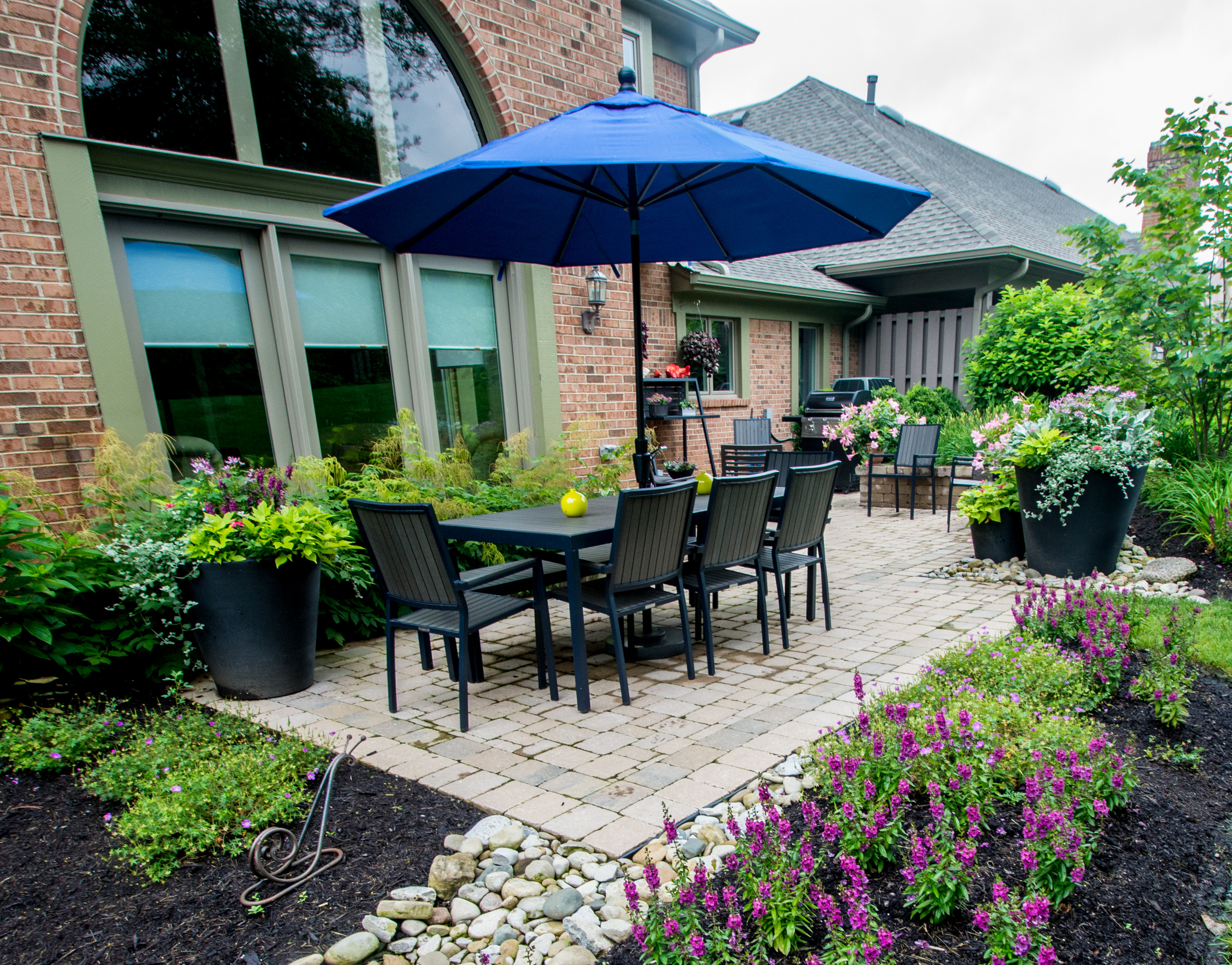
Kettering, OH
When you dream about your backyard, you might picture a shaded spot where you can gather with friends and neighbors, or somewhere to unwind after work. Hold that image for a second. Do you see tall shade trees, or wide open sky? Are the neighbors tucked out of view, or is the yard wide open? Is it full of color, or clean and understated? Whatever you’re picturing, it’s probably not a bare concrete patio with no shade, ringed by turf grass. There’s nothing wrong with a lawn where the family can spread out and play, but a slab surrounded by grass and little else rarely reads as a finished space, even in warmer weather when everyone wants to be outside.
That gap between the picture in your head and a plain patio is almost always landscaping. The shade, the privacy, the framing, the layers of planting built around the hardscape, is what turns a paver patio into an inviting outdoor room, the kind of space that blurs the line between indoors and outdoors instead of just sitting at the edge of one.
Each idea below pairs a hardscape approach with the planting design that goes around it, since one doesn’t really finish without the other.
How We Chose These Ideas
Years of working with homeowners across southwest Ohio, and delivering the backyard they’d been picturing, has taught us what holds up here and what doesn’t. Durability matters as much as looks: Zone 6b winters and clay-heavy soil are hard on materials and plants that weren’t chosen with freeze-thaw cycles in mind, so we leaned toward approaches with a track record in this climate rather than trends borrowed from somewhere warmer. That same experience shaped how we weighed the planting decisions below, since a patio surrounded by the wrong plants, or no plants at all, usually turns into a second project a few years later.
Budget shaped the list too. Not every idea below requires a full renovation; several can be phased in over a few seasons, structural planting first, layers filled in after, as life and budget allow.
Patio Landscaping Ideas
A patio’s hardscape sets the stage, but the plants around it, and around the rest of the outdoor space, are what actually create the feeling you’re after. The ideas below aren’t about furniture or accessories. They’re about the planting decisions that shape how a patio functions, how private it feels, how much shade it gets, and how it fits into the character of your whole property.
Shrubs and Trees First
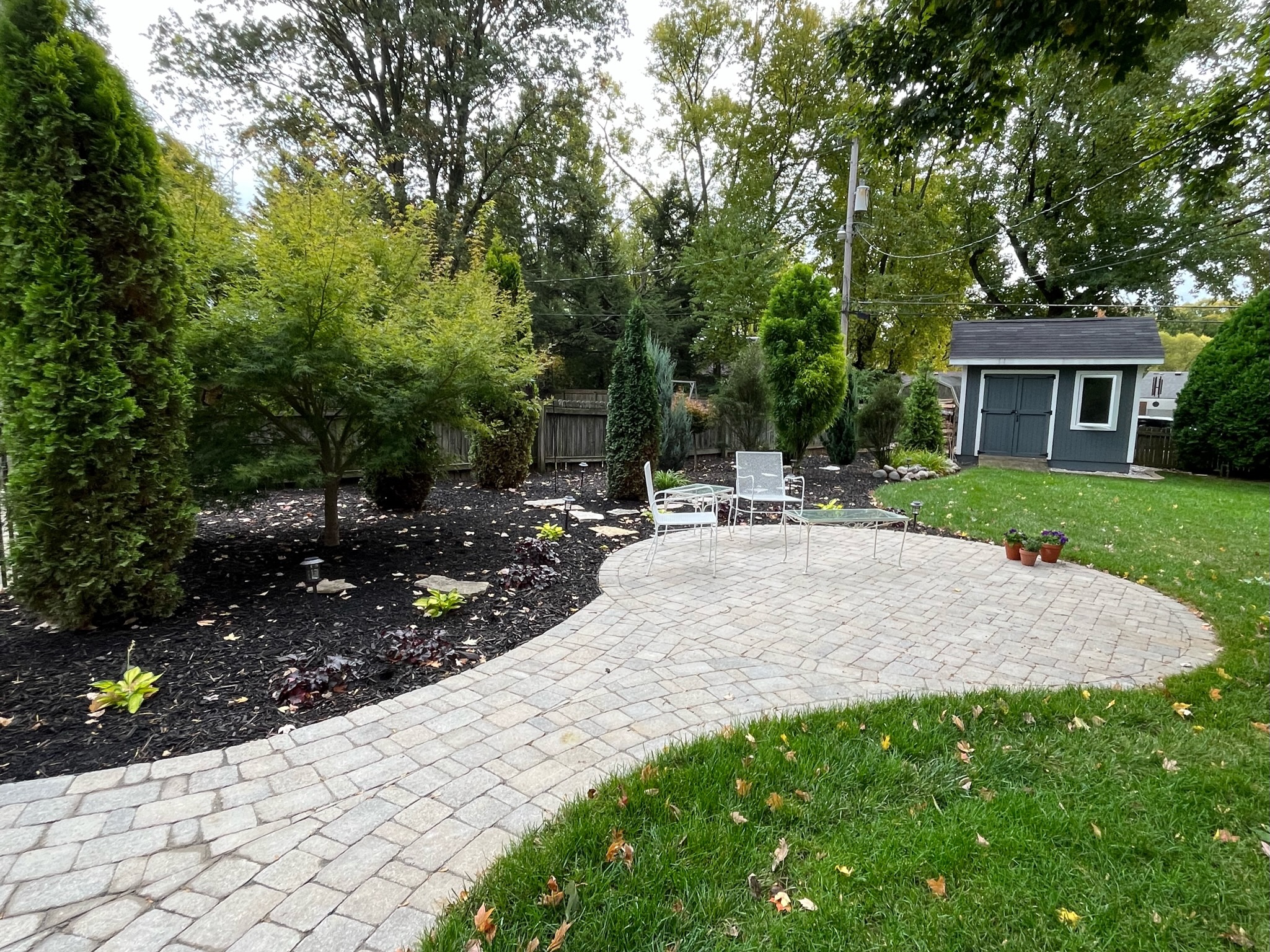
Kettering, OH
Every well-designed landscape starts with structure before it gets filled in with color. Shrubs and trees are the bones, the elements that hold their shape through winter and give the rest of the design something to grow into. It makes sense to plant these first, even before the smaller perennials and seasonal color that will eventually surround them, since they take the longest to mature and do the most work over time.
A landscape planted this way looks a little sparse in year one, and that’s normal. It’s worth resisting the urge to overplant just to fill space early on. Whether you’re working with a small patio or a sprawling one, spacing shrubs and trees for their mature size, and giving them enough room to grow into rather than crowding them from the start, saves real money and headaches a few years down the road. What looks a little open in year one is usually exactly right by year three.
Privacy Without a Fence
A patio surrounded by open sightlines rarely gets used the way it’s meant to. Evergreen shrubs handle privacy in a way a fence alone can’t, adding year-round greenery without the hard, constructed look. Arborvitae is the dependable choice here: narrow varieties stay tidy at eight to twelve feet and screen a property line without overwhelming a smaller yard, while larger selections fill space quickly on bigger properties. Boxwood works well for a shorter hedge closer to the patio itself, defining the edge of the space rather than screening the whole yard.
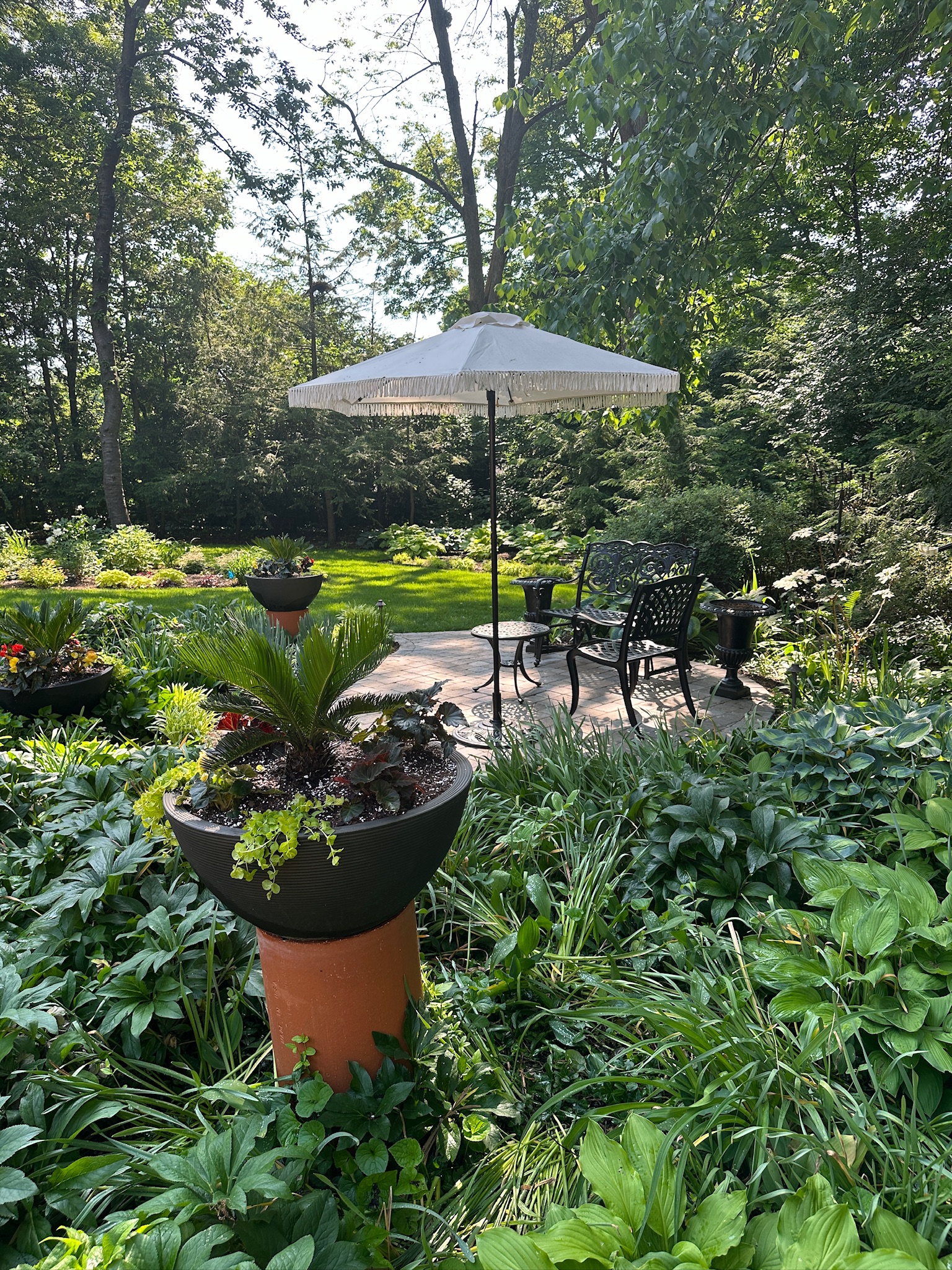
Loveland, OH
Privacy planting doesn’t have to happen right at the patio’s edge, either. A hedge along the fencing at the property line, well beyond where the pavers end, often does more for how private and inviting a patio feels than anything planted immediately around it.
Shade Is a Long-Term Investment
Nothing changes how a patio gets used more than shade, especially once warmer weather sets in, and few things pay off longer than a tree planted in the right spot. A large shade tree sited 15 to 20 feet off the patio edge, far enough that roots won’t eventually lift the pavers, takes years to mature, but it’s one of the best long-term investments you can make in your property. It cools the whole area, gives the family real access to shade on the hottest days, and gives a yard a sense of permanence that nothing else quite replicates.
For shade closer to the patio in the meantime, a smaller ornamental tree like a redbud or a serviceberry can provide meaningful dappled coverage within just a few years, while adding spring bloom and fall color the rest of the yard won’t have. A pergola or a covered patio structure can also bridge the gap, giving you shade right away while young trees catch up. Neither replaces a mature shade tree, but both make the wait a lot more bearable.
Matching Plants to Your Style
Plant selection is one of the most important design decisions you’ll make around a patio. The plants should reflect the same style you’re picturing for the rest of the yard, not a separate decision made in isolation. A homeowner who wants something clean and modern usually does better with structured evergreens, clipped boxwood, and ornamental grasses planted in disciplined masses rather than a wide mix of species. Keeping the plant palette limited and the bed lines geometric reads as intentional rather than busy.
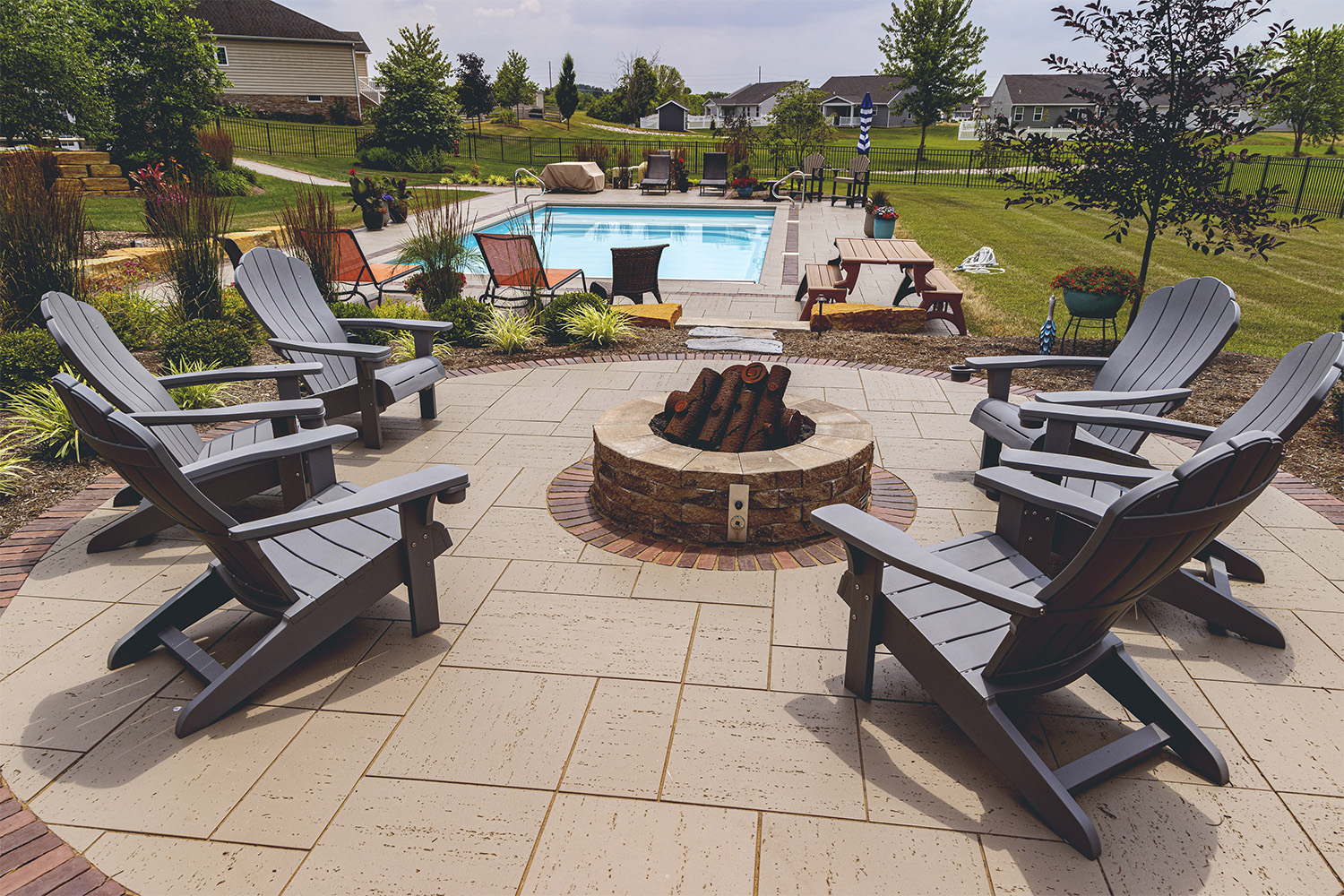
Mason, OH
A homeowner drawn to something more colorful and naturalistic, closer to a relaxed country garden than a manicured one, has a lot more to work with. Layered perennial beds, purple coneflower and black-eyed Susan for midsummer color, with ornamental grasses adding texture and fall interest, bring a landscape to life through the growing season. One thing worth knowing is that native, naturalistic beds can read as a little wild if they’re left without any structure. A clean stone or steel edge along the bed and continued maintenance keeps that same planting style from tipping into looking unkept.
If the patio sits in the shade of a mature tree or on the north side of the house, the plant list changes again. Shade-loving perennials perform well in Ohio and bring color and texture where sun-loving plants would struggle, and they pair naturally with a patio that already benefits from a tree’s canopy overhead.
One thing worth planning around no matter which direction you go: heavy-blooming plants right at the patio’s edge can draw in bees and other pollinators. That’s genuinely good for the yard. Pollinators are part of a healthy landscape, but it’s worth keeping the most bloom-heavy plants a few feet back from where people are actually sitting. Nobody wants to reach for their drink and find a bee had the same idea.
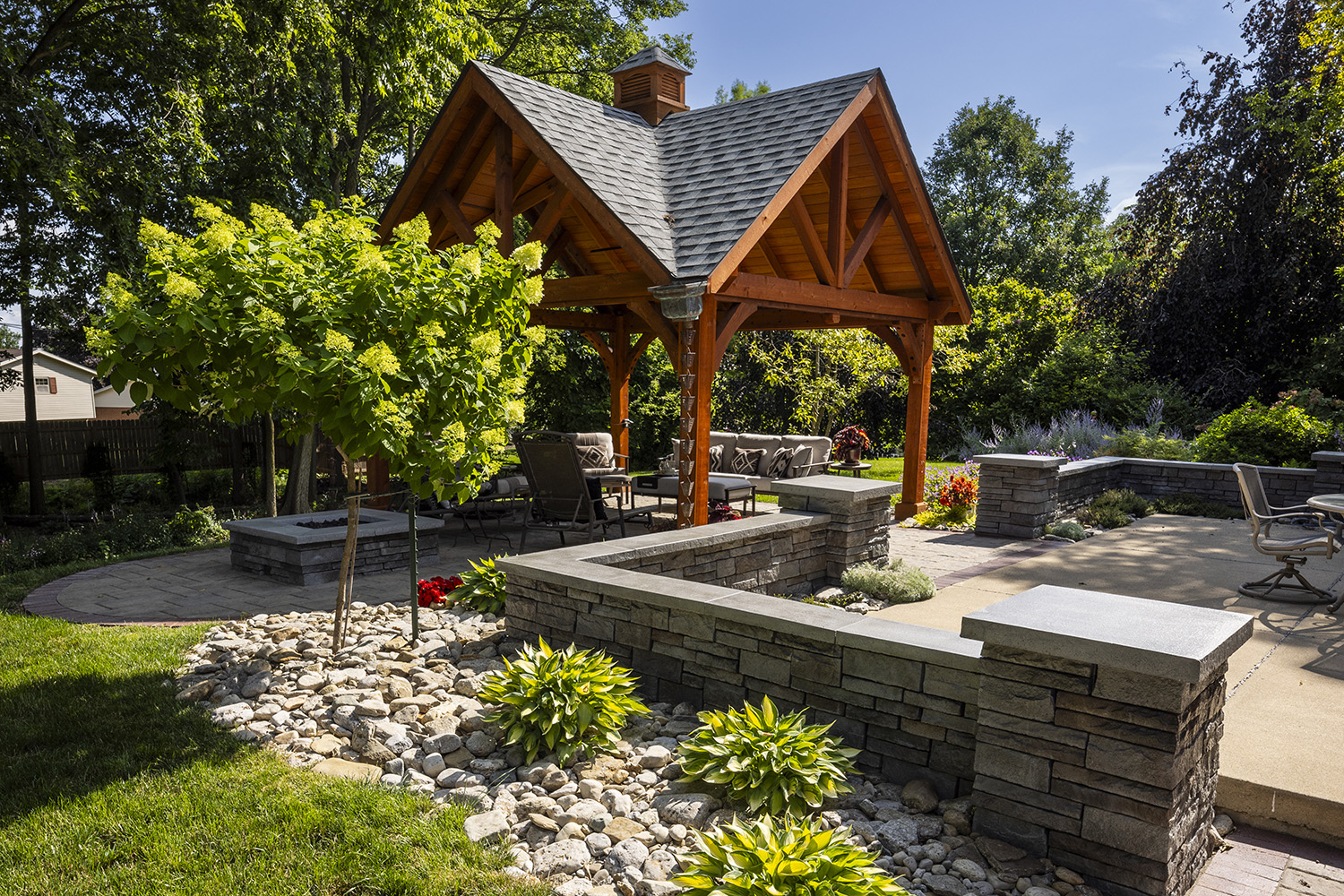
Mason, OH
Mulch or Rock
Mulch and landscaping rock both have a place on the ground around a patio, and the right choice depends on how the bed will be used. Beds where plants are likely to be added or changed over time do better with mulch. It’s easier to work into and doesn’t need to be pulled up every time a plant gets moved. Areas with a more permanent, low-maintenance planting, or a modern look that calls for something cleaner, are often better suited to rock. Either way, a clean edge along the bed is what makes the difference between a finished space and one that reads as an afterthought.
For yards with a slope near the patio, a low retaining wall can pull double duty, holding soil in place while giving a bed a clean, defined edge.
Water Features for Atmosphere
A small water feature adds a layer of sensory experience that plants and hardscape alone can’t replicate, and it can serve as a focal point for outdoor patios and gardens alike. A fountain tucked near the patio, or a pondless waterfall built into a planting bed, gives a backyard a quality that’s easy to remember and hard to describe. The sound of moving water is genuinely calming, and it does a lot to make a patio feel like a destination rather than just another part of the lawn. In Ohio, water features need some planning for winter, and for how they’ll drain after heavy rain, protecting pumps and stonework through freeze-thaw cycles. Done well, a water feature becomes one of the most memorable parts of a backyard.
Lighting, Structures, and Furnishings
A few finishing elements are worth planning for even though they fall outside the plant list. Low-voltage landscape lighting, uplighting a specimen tree, lining a path, or washing a bed with light, extends how long a patio actually gets used after dark, and it’s something worth incorporating into the landscape design itself rather than adding as an afterthought. Built structures like a fire pit, an outdoor kitchen, a pergola, or a pool or hot tub round out a backyard further, and those are elements we design and build as part of the landscape.
What we don’t sell is the outdoor furniture: the dining table and chairs for a dining area, the lounge seating, the string lights and lanterns, the tall planters and pots you’ll eventually decorate with and have displayed around the space. Those are a separate decision from the landscaping itself, more about personal style and shopping than site conditions or long-term investment. The plants and structure around a patio create the bones of the outdoor area. Furniture and furnishings are what make it comfortable enough to actually sit in once those bones are there.
Quick Comparison
| Goal | Planting Approach |
|---|---|
| Privacy from neighbors | Evergreen screening, arborvitae or boxwood |
| Long-term shade | A shade tree sited 15 to 20 feet from the patio |
| Shade sooner rather than later | A smaller ornamental tree close to the patio |
| A clean, modern look | Structured evergreens and disciplined grasses |
| A colorful, naturalistic look | Layered native perennial beds |
| A shaded patio under existing trees | Shade-tolerant perennials |
| A focal point and sensory atmosphere | A small water feature |
Working with a Landscaper to Get It Right
The best patio landscaping comes out of a real back-and-forth between what you want and what your property can actually support, and a good landscaper works both sides of that conversation with you.
What to Bring
What’s worth bringing to that first conversation is less about specific plant names and more about how you actually want to use the space. Do you host large groups or keep it quiet? Do you want something modern, or a yard that feels more like a garden? Are there things you don’t like, plants that make a mess, a maintenance level you’re not interested in taking on? Photos for inspiration help too, though the plants in a magazine spread may not be suited to your yard’s particular sun and soil. That information shapes the plan far more than a list of plants pulled from a magazine.
Listen to the Pushback
It’s just as important to listen when a landscaper pushes back on an idea. A plant that needs full sun won’t perform in a shaded corner no matter how much you want it there. A tree planted too close to the patio will eventually cause problems with roots and pavers. A designer who knows the site, the sun exposure, the drainage, the soil, isn’t overriding your vision. They’re making sure it actually works once it’s in the ground. The best results come from treating the process as a genuine collaboration, where your goals and their site knowledge shape the plan together.
Plan for Change
It’s also worth talking about how the landscape will change over the next several years. A newly planted bed looks sparse, and that’s expected. Perennials will need dividing every few years as they mature, and shrubs may need pruning to stay in scale. A plan that accounts for that evolution from the start, rather than treating installation day as the finish line, holds up a lot better over time.
Steps to Take Before You Start
A few steps are worth taking before anything gets ordered. Sketch a rough layout to scale that includes where beds, trees, and privacy screening will go, not just the hardscape. Map the sun and shade across the space at different times of day, and note how the area drains after rain; that single exercise tells you more about what will actually thrive than anything else. If the project needs to be phased, sequence it so the hardscape and at least some structural planting, trees and shrubs, go in together, rather than treating the landscaping as a someday project that never quite happens.
Materials
Full-thickness pavers or natural stone remain the most reliable paving materials for a freeze-thaw climate like ours, holding up better over time than thinner overlay products. For planting, stick to species well suited to Zone 6b rather than anything borrowed from a warmer climate’s plant list; your landscaper can confirm what’s appropriate for your specific soil and sun conditions.
Final Notes and Next Steps
Permitting, grading, and sequencing the hardscape and planting so they land at the same time instead of months apart are all details a good landscaper handles as a matter of course. That’s exactly why choosing the right one matters more than getting every detail figured out yourself beforehand. Pulling a few of these landscaping ideas into a simple mood board, hardscape, and planting together, still gives you something concrete to bring to that first conversation, but the rest is what you’re paying a professional to think through. If next season is the target, scheduling early with a landscaper you trust gives the best shot at a preferred install window, and the backyard you’ve been picturing starts to feel a lot closer.
 About Grunder Landscaping Co.
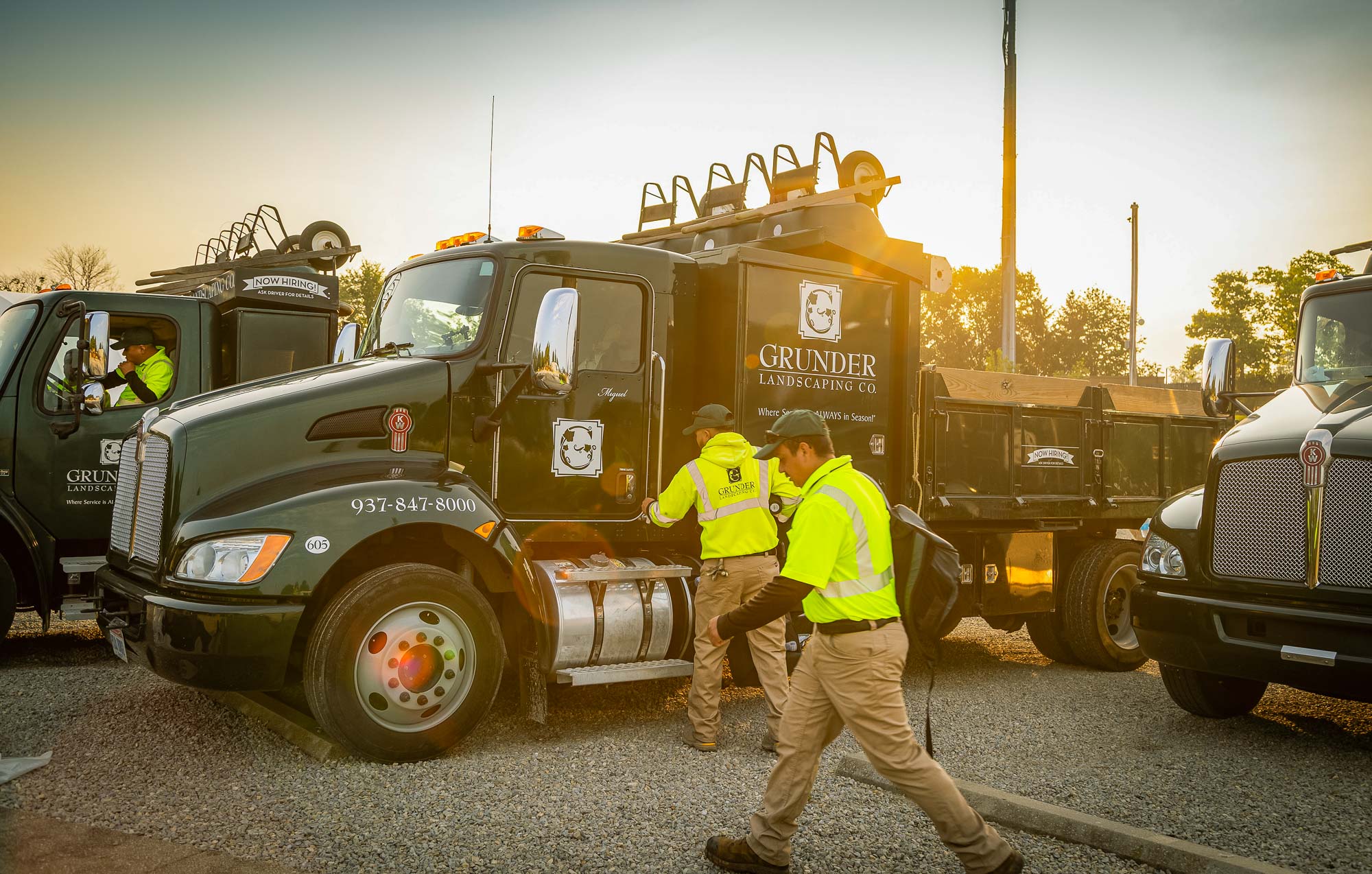
Grunder Landscaping Co. has been designing, installing, and maintaining landscapes in the Dayton area since 1984 and has served the Cincinnati market for more than a decade. We know this climate well: the conditions that define it, the challenges it creates, and the approaches that consistently work. Whether you’re starting from scratch or improving what you have, our team is here to help. Get started with Grunder Landscaping.
get started