
HOA Landscaping Guide for Boards and Communities
HOA landscaping is one of those responsibilities that’s easy to underestimate. It doesn’t always feel urgent, and when budgets get tight, it’s often one of the first places boards look to cut. But the grounds of an HOA community do more than keep things looking nice. They affect property values, resident satisfaction, and how the community is perceived by everyone who drives through it. The effects of good landscaping and poor landscaping build over time in ways that are hard to reverse quickly.
The Impact of HOA Landscaping Guidelines
Good landscaping does more for an HOA community than keep things looking tidy. The benefits touch every homeowner in the community, whether they think about landscaping much or not.
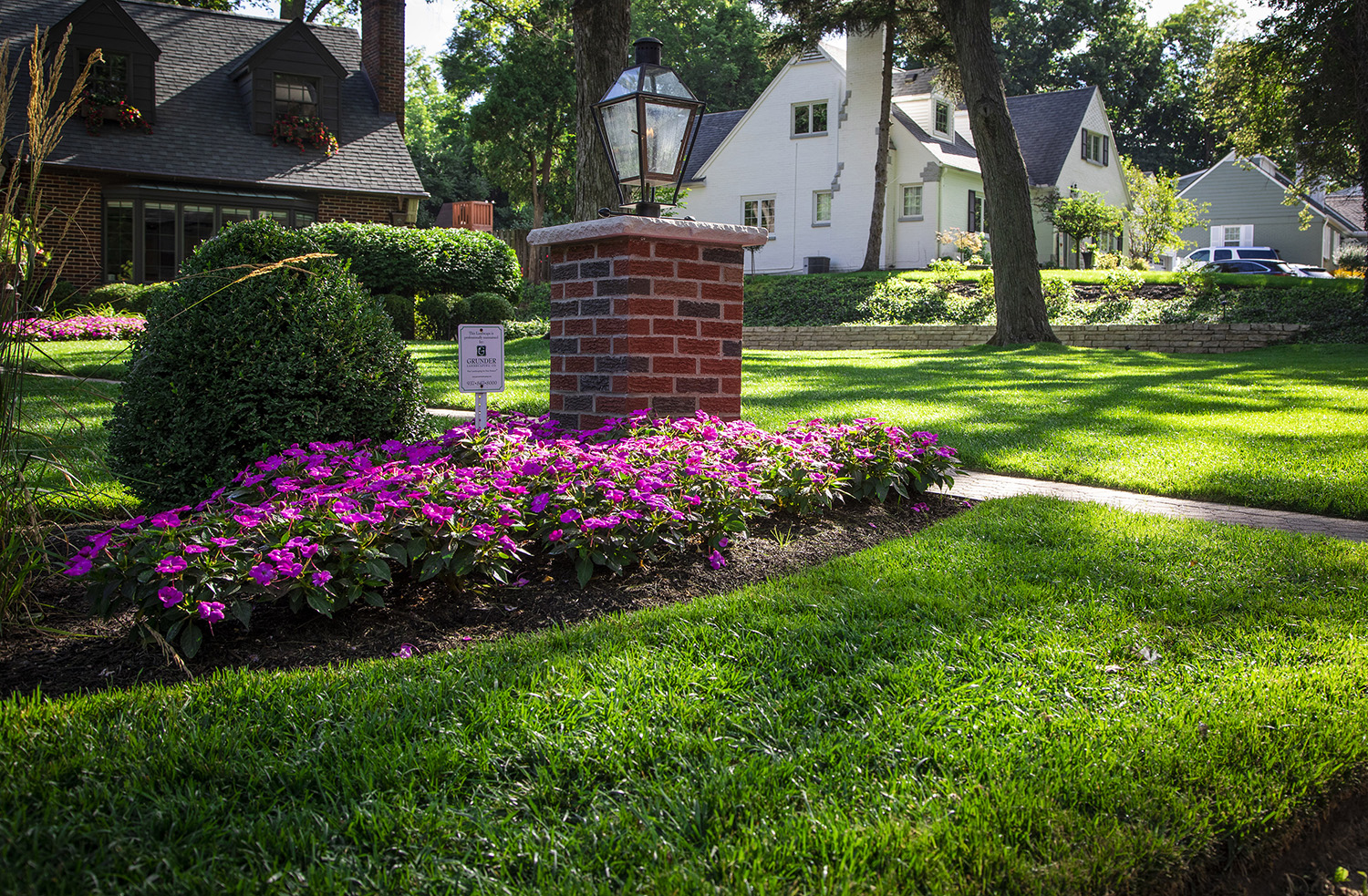
Oakwood, OH
- Increased property values. Well-maintained common areas and consistent curb appeal make every home in the community more attractive to buyers. A neighborhood that looks cared for commands higher prices than a comparable one that doesn’t.
- A welcoming environment. Healthy plants, fresh mulch, defined beds, and clean entryways create the kind of first impression that makes residents proud of where they live and makes visitors feel the community is worth their time.
- Resident satisfaction. People notice when their surroundings look good. Consistent HOA landscape maintenance reduces complaints, improves quality of life for residents, and makes the board’s job easier.
- Safety and security. Overgrown plantings obscure sightlines and create security concerns. Well-maintained landscaping keeps common areas visible, walkways clear, and entry points well-lit and accessible.
- Long-term cost control. Preventative landscape maintenance is significantly less expensive than reactive repairs. Staying ahead of overgrowth, irrigation issues, and invasive species prevents the kind of costly remediation that strains HOA budgets.
- Reduced liability. Well-maintained walkways, clear sightlines, and properly pruned trees reduce the risk of accidents and the legal exposure that comes with them.
- A cohesive, consistent appearance. Uniform landscaping standards across common areas and individual lots create a neighborhood that looks intentional rather than pieced together. That consistency is part of what makes a community feel like a community.
Common HOA Landscaping Policies and Guidelines
Every HOA’s landscaping authority flows from its governing documents, specifically the Covenants, Conditions, and Restrictions, commonly called CC&Rs. These documents define what the board can regulate, what homeowners are responsible for, and what approval processes apply to landscaping changes. Before updating any HOA landscaping guidelines, board members should review the CC&Rs carefully and consult the association’s legal counsel to confirm the scope of rulemaking authority.
HOA landscaping guidelines typically address several areas:
- Lawn maintenance standards, including height requirements and weed control expectations
- Approved plant lists that reflect the local climate and community aesthetic
- Rules around lawn decorations, lawn furniture, and lawn sculptures in front yards
- Procedures for homeowner landscaping projects that require board approval
- Standards for common areas maintained by the HOA landscaping company
When reviewing existing guidelines, look for gaps and conflicts. HOA landscaping rules that were written years ago may not reflect current local regulations around water usage, invasive species, or pesticide application. Aligning your HOA landscaping policies with local ordinances is not just good practice; it protects the board from liability.
One area where guidelines frequently need updating is water conservation. Many municipalities in Ohio have adopted ordinances around irrigation management and drought response. Smart irrigation systems and drought tolerant plants are increasingly the standard in well-managed HOA communities, and your guidelines should reflect that direction.
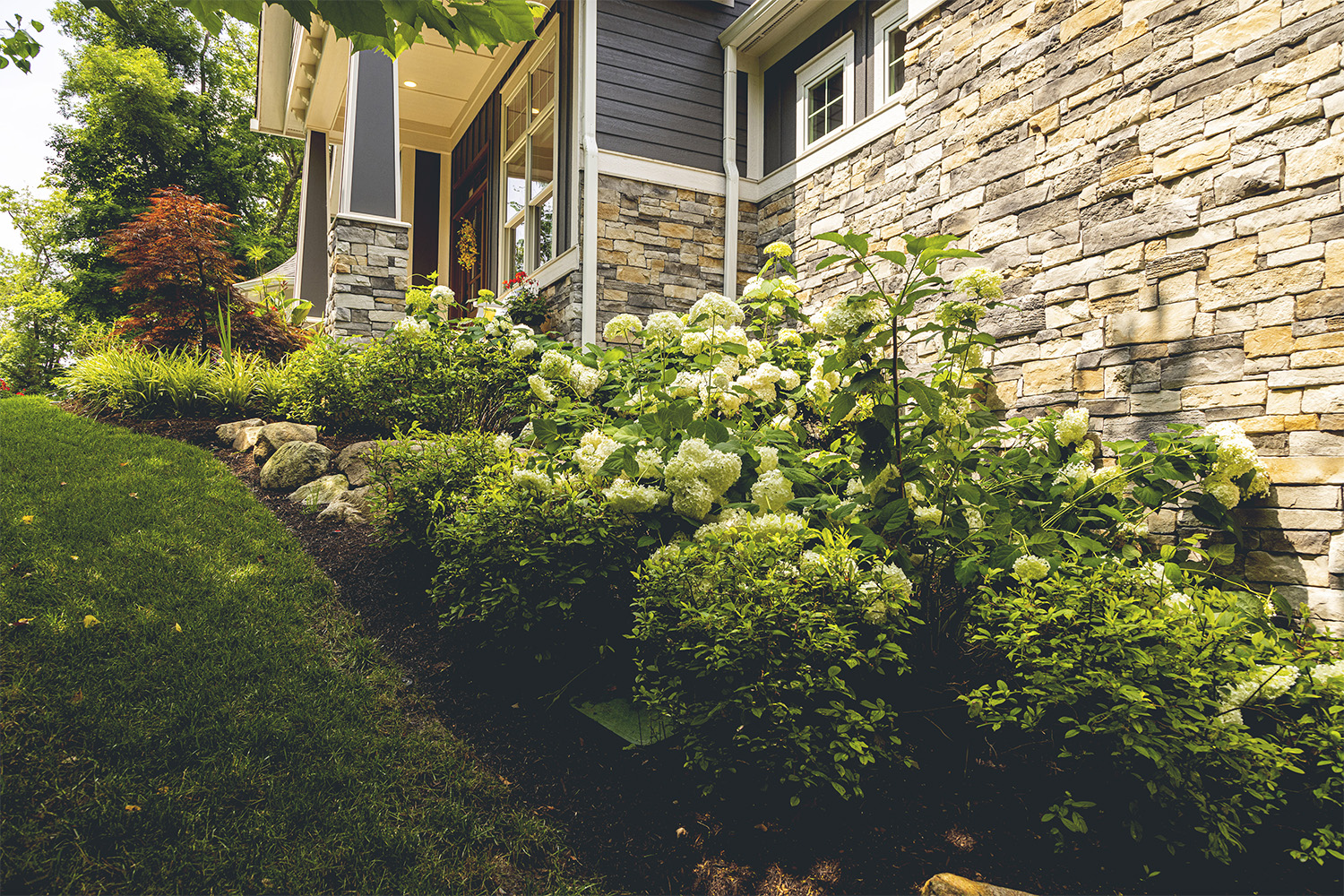
Lebanon, OH
Roles and Responsibilities
Clarity about who is responsible for what prevents the majority of landscaping disputes in HOA communities. Most conflict comes down to one of two things: homeowners who don’t know what the rules are, or situations where the line between HOA responsibility and homeowner responsibility isn’t clearly drawn. Getting both right goes a long way.
The HOA Board
The board typically approves the landscaping budget, selects the HOA landscaping company, sets community guidelines, and oversees compliance. These are the decisions that set the standard for everything else, so getting the right company under the right contract matters more than most boards initially realize.
The Landscaping Committee
If the community has one, the landscaping committee takes on day-to-day vendor management and serves as the liaison between board members and the HOA landscaper. Having a dedicated point of contact on the HOA side makes communication cleaner, keeps the board from being pulled into routine service questions, and gives the landscaping company a clear channel for anything that comes up in the field.
Homeowners
Homeowners are responsible for their individual lots within the boundaries the CC&Rs establish. In single-family communities, that typically means their own yards, while the HOA maintains shared green spaces, entryways, and community parks. In townhome and condo communities, the HOA often takes on exterior landscaping for individual lots as well.
Whatever the structure, spell it out explicitly in writing. Vague language about what is “included” leads to disputes every time.
Selecting an HOA Landscaping Company
The company you hire will be on your property regularly, interacting with residents, and representing the community’s standards through the quality of their work. Local expertise matters here more than it might seem. A company that understands your climate, soil conditions, and the plant palette that actually performs in your region will make better decisions in the field than one applying a one-size-fits-all approach.
Look for HOA Experience

Loveland, OH
Look for a proven track record with HOA communities specifically, not just residential or commercial clients. Ask for references from similar communities and follow up on them. A company that works primarily with individual homeowners may not have the communication systems, documentation practices, or service consistency that HOA landscape maintenance requires.
Verify Licensing, Bonding, and Insurance
Before signing anything, confirm the company is properly licensed, bonded, and insured. This protects the HOA if something goes wrong on the property and is a basic indicator of a company that operates professionally.
Require Itemized Proposals
Request proposals that specify exactly what services are included, at what frequency, and for which areas of the property. Vague proposals lead to scope disputes. A good HOA landscaping company will be transparent about what is and isn’t in the contract and will have a clear process for handling work that falls outside the original scope.
Pay Attention to How They Communicate
Responsiveness, clarity, and a willingness to answer questions during the proposal process are strong indicators of what the working relationship will actually look like. Ask how they handle service reports, how they communicate about weather delays or issues discovered during visits, and who your designated point of contact will be.
HOA Landscape Maintenance Services
A well-structured HOA landscape maintenance contract covers all the key services needed to keep the community looking its best year-round. Core services for most HOA properties include:
Design and Installation of Common Areas
When common areas need more than maintenance, GLC’s design and installation team can help. Whether it’s a new entry feature, a paver patio or seating area for residents, pergola, retaining wall, drainage solution, or a complete refresh of an outdated landscape, we design and build spaces that serve the community well and hold up over time. Having a single company handle both the design and the ongoing maintenance means nothing gets installed that can’t be maintained, and nothing gets maintained that doesn’t reflect a clear design intent.
Ongoing Landscape Maintenance
A well-structured HOA landscape maintenance contract covers all the key services needed to keep the community looking its best year-round. Core services include:
Mowing and Edging
Weekly maintenance through the growing season keeps turf at a consistent height and gives common areas a clean, finished appearance. In southwest Ohio, the mowing season typically runs from mid-April through early November.
Weed Control
Plant beds, tree saucers, and turf areas all require regular weed control to maintain a neat appearance. This includes both pre-emergent and post-emergent herbicide applications as well as hand weeding in beds where chemical treatments aren’t appropriate.
Mulching
Fresh mulch applied annually improves soil moisture retention, moderates soil temperature, and gives beds a clean, finished look. It also suppresses weeds and protects plant roots through summer heat and winter cold.
Pruning and Shrub Care
Regular pruning keeps plantings at appropriate sizes, encourages healthy growth, and prevents overgrowth that can create safety or aesthetic problems. Timing matters; most shrubs in Ohio benefit from pruning at specific times of year to avoid cutting off next season’s blooms or stressing plants going into winter.
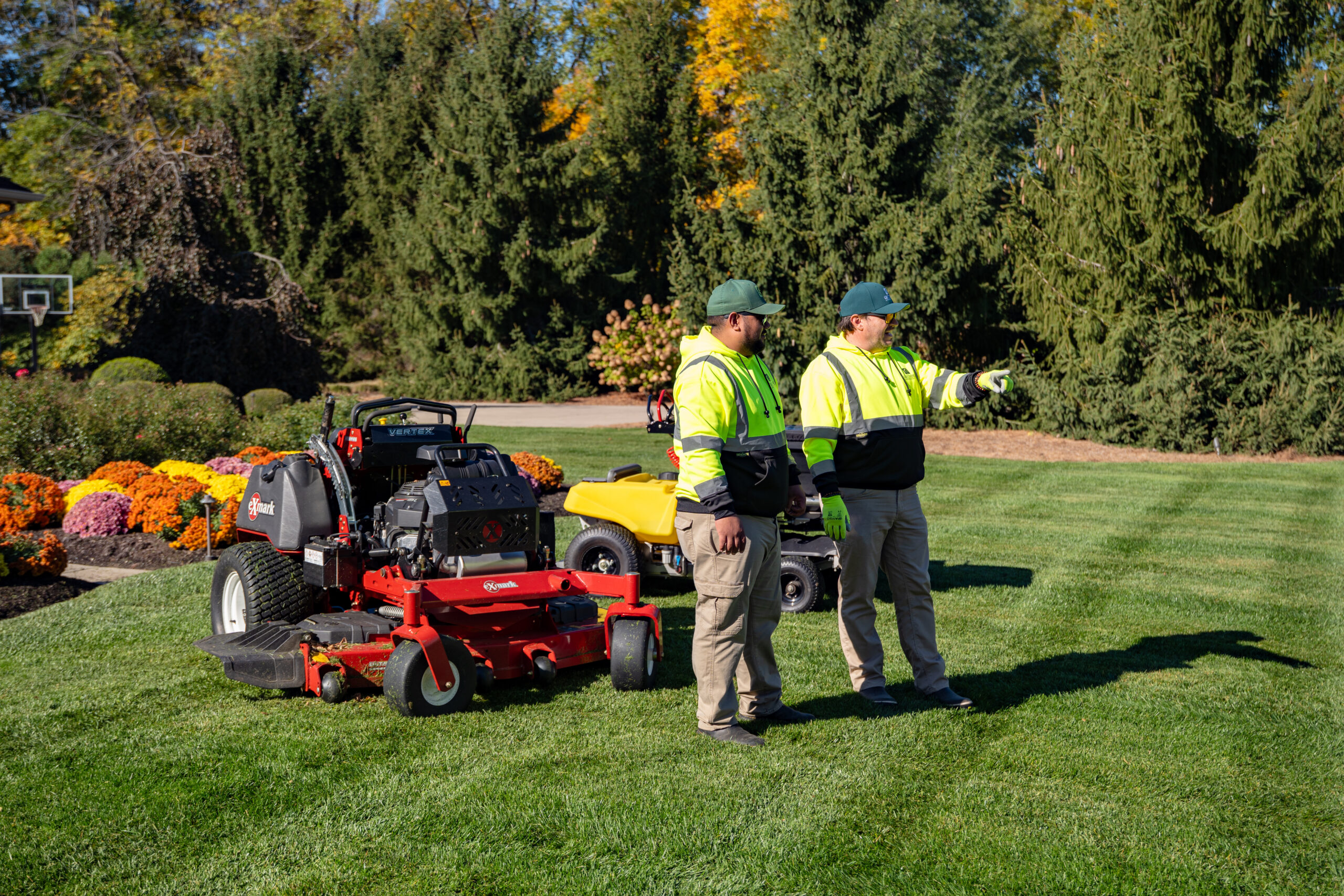
Bellbrook, OH
Seasonal Plantings and Flower Beds
Annual color rotations in high-visibility areas like entry points and common area flower beds keep the community looking vibrant and actively maintained through the season. Spring bulbs, summer annuals, and fall plantings each play a role in sustaining visual interest.
Irrigation Management
HOA irrigation systems require seasonal startup and shutdown, regular inspection for leaks and coverage issues, and adjustment as conditions change through the season. Smart irrigation systems reduce water usage significantly by adjusting run times based on rainfall and soil moisture rather than running on a fixed schedule regardless of conditions.
Budgeting for HOA Landscaping
HOA landscaping costs are often the single largest line item in a community’s operating budget. Managing that budget well requires more than finding the lowest bid; it requires understanding what good landscape maintenance actually costs and building a financial plan that can sustain quality over time. Boards that fund only routine maintenance and treat everything else as a surprise expense consistently find themselves making reactive decisions that cost more than proactive ones would have.
What to Include in Your Budget
Routine Maintenance
The baseline: mowing, edging, weed control, mulching, pruning, and seasonal cleanups. This is the most predictable line item and should be scoped clearly in the contract so there are no surprises about what’s covered.
Seasonal Plantings
Annual color rotations for high-visibility areas like entries and common area beds aren’t always included in a base maintenance contract. Budget for them separately so they don’t get cut when costs feel tight, as they have an outsized impact on how the community looks day to day.
Irrigation System Upkeep
Seasonal startup and shutdown, mid-season inspections, and repairs to heads, valves, and controllers add up over the course of a year. Neglecting irrigation maintenance leads to water waste, plant loss, and more expensive repairs down the road.
A Reserve for Larger Projects
Bed renovations, tree removal, hardscape repairs, and common area improvements shouldn’t come as budget surprises. Setting aside a reserve each year for capital landscaping work makes it possible to address these projects proactively rather than reactively.
How to Control Costs Over Time
The best way to control landscaping costs over time is to stay ahead of problems rather than react to them. Keeping irrigation systems in good repair prevents water waste and plant loss. Regular pruning prevents the kind of overgrowth that turns into an expensive remediation project. Annual mulching maintains soil health and keeps weed pressure manageable through the season. Small investments in upkeep consistently outperform the cost of fixing what gets neglected.
Drought tolerant plants and smart irrigation systems are worth a closer look for communities trying to reduce long-term costs. Water usage and maintenance requirements both drop meaningfully once the right plants are in the ground and the system is dialed in. If your board is exploring lower-maintenance planting approaches, work with a company that has genuine expertise in what actually performs in your climate.
Seasonal Maintenance Checklist
Consistent seasonal planning keeps HOA landscape maintenance proactive rather than reactive. Here’s a landscaping calendar for the Ohio growing season:
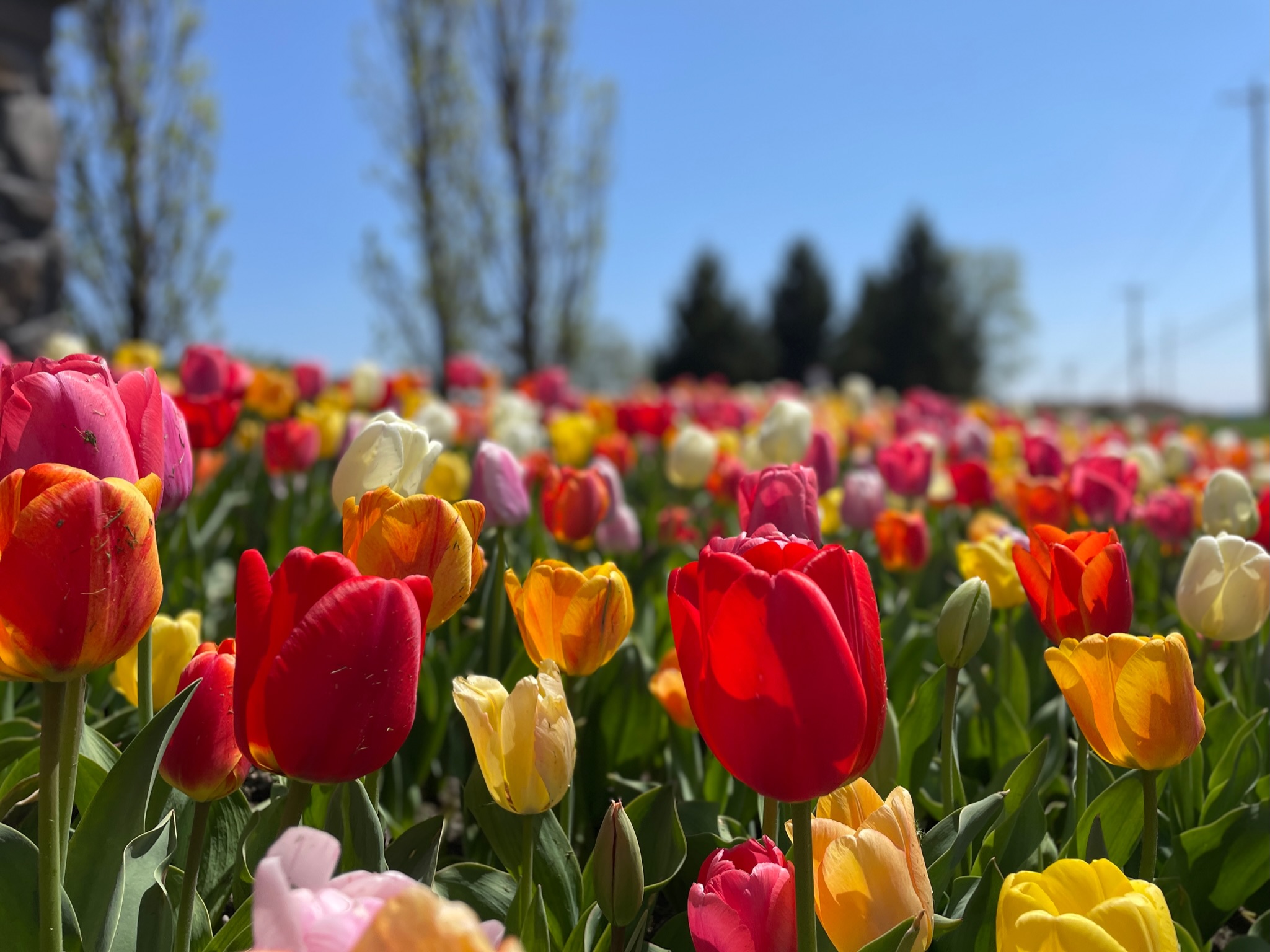
Miamisburg, OH
- Spring. Schedule spring cleanup visits to remove winter debris, cut back ornamental grasses and perennials that were left for winter interest, apply pre-emergent herbicide before weed seeds germinate, and refresh mulch in all beds. This is also the time to have irrigation systems inspected, started up, and adjusted for the season ahead.
- Summer. Weekly mowing and edging should be in full swing. This is the season for monitoring pest infestations, applying post-emergent weed control as needed, and checking irrigation coverage regularly. Summer is also when annual color is at peak importance for maintaining visual appeal in high-visibility areas.
- Fall. Leaf removal, fall cleanup, and fall planting rounds anchor the season. Fall is the best time for overseeding thin turf areas in Ohio, since cool-season grasses germinate well in lower temperatures. Irrigation systems should be winterized before the first hard freeze, typically in October in southwest Ohio, though timing varies by year.
- Winter. Ice management for shared surfaces is the primary active service through winter. This is also a good time to review contracts, plan any landscape renovations for the following season, and evaluate vendor performance before renewal decisions need to be made.
Enforcing HOA Landscaping Rules
Enforcement is one of the less enjoyable parts of managing HOA landscaping policies, but it’s necessary for maintaining the standards the community has agreed to. The good news is that most violations can be prevented before they require any formal action at all. Clear communication is more effective than enforcement, and a lot easier on everyone involved.
Start with education. Residents who understand why the HOA landscaping guidelines exist and what they require are far less likely to cause problems than residents who feel rules are being imposed on them without explanation. Seasonal newsletters, community meetings, and a clear homeowner handbook go a long way toward preventing violations before they happen.
When violations do occur, a friendly notice before any formal enforcement step gives homeowners the chance to correct the issue without escalation. Document everything in writing, including the violation, the relevant rule, the correction required, and the deadline. Most residents respond promptly to a clear, respectful notice. For persistent violations, escalate according to the governing documents, whether that means formal notices, fines, or involvement of the association’s legal counsel.
 About Grunder Landscaping Co.
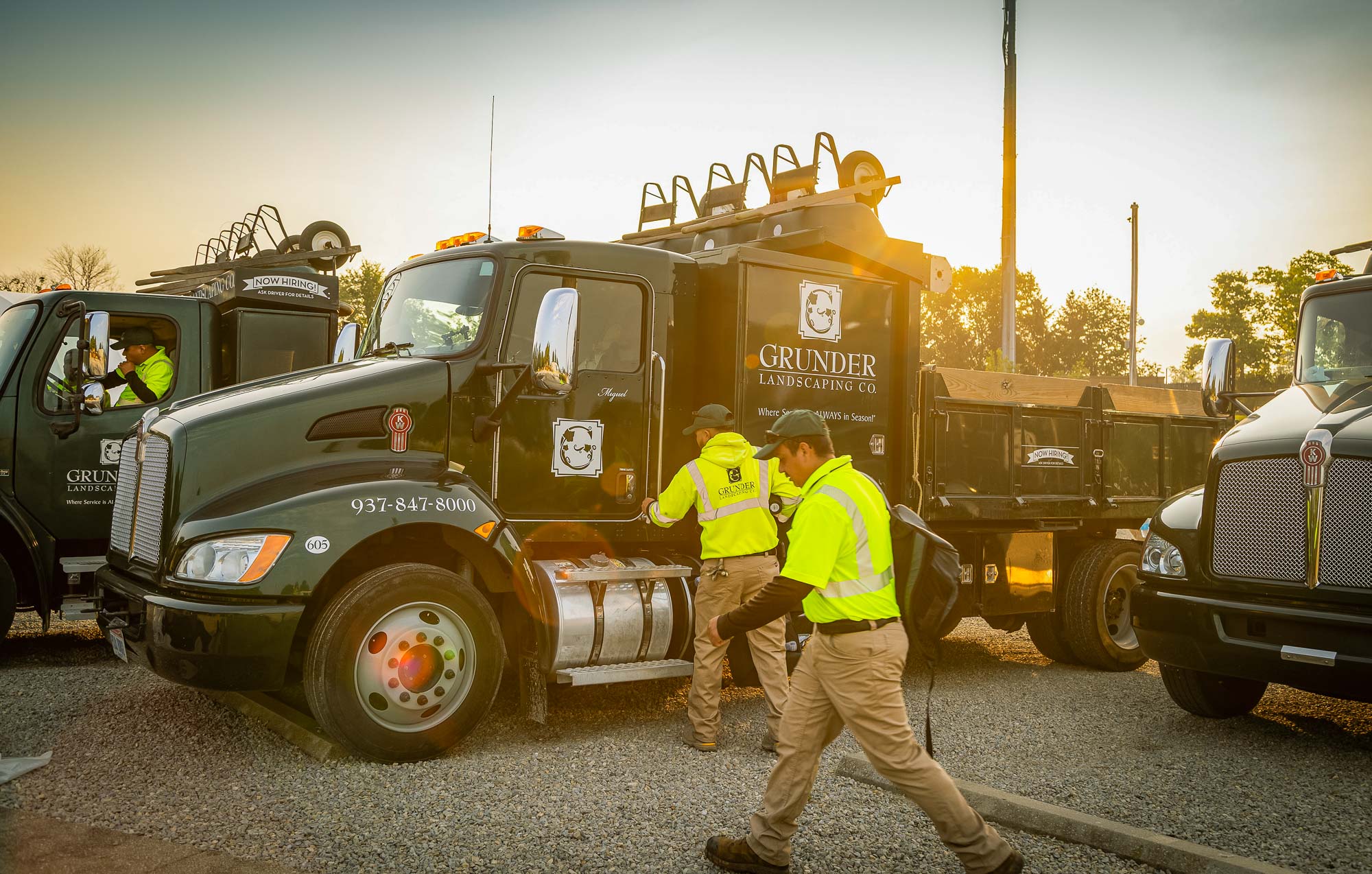
Grunder Landscaping Co. has been designing, installing, and maintaining landscapes in the Dayton area since 1984 and has served the Cincinnati market for more than a decade. We work with HOA communities throughout the region and understand what it takes to keep shared spaces looking their best year-round. We know this climate well: the conditions that define it, the challenges it creates, and the approaches that consistently work. If your community is looking for an HOA landscaping company with local expertise and a proven track record, we’d be glad to talk. Contact us to learn more.
get started