
What is Business Curb Appeal and Why Does it Matter?
Most people decide how they feel about a business before they reach the front door. The parking lot, the beds along the walk, and the condition of the signage all contribute to how they feel about your business. Companies that work face to face with people need to care about their curb appeal if they want to make a good first impression. Thankfully, it’s easy to improve and makes a positive impact right away.
Why Your Business’s Curb Appeal Shapes the First Impression
A well-kept exterior signals that the business behind it is well run. Overgrown shrubs, cracked pavement, and peeling paint suggest deferred maintenance, and potential customers extend that impression to everything else, from your service to your pricing.
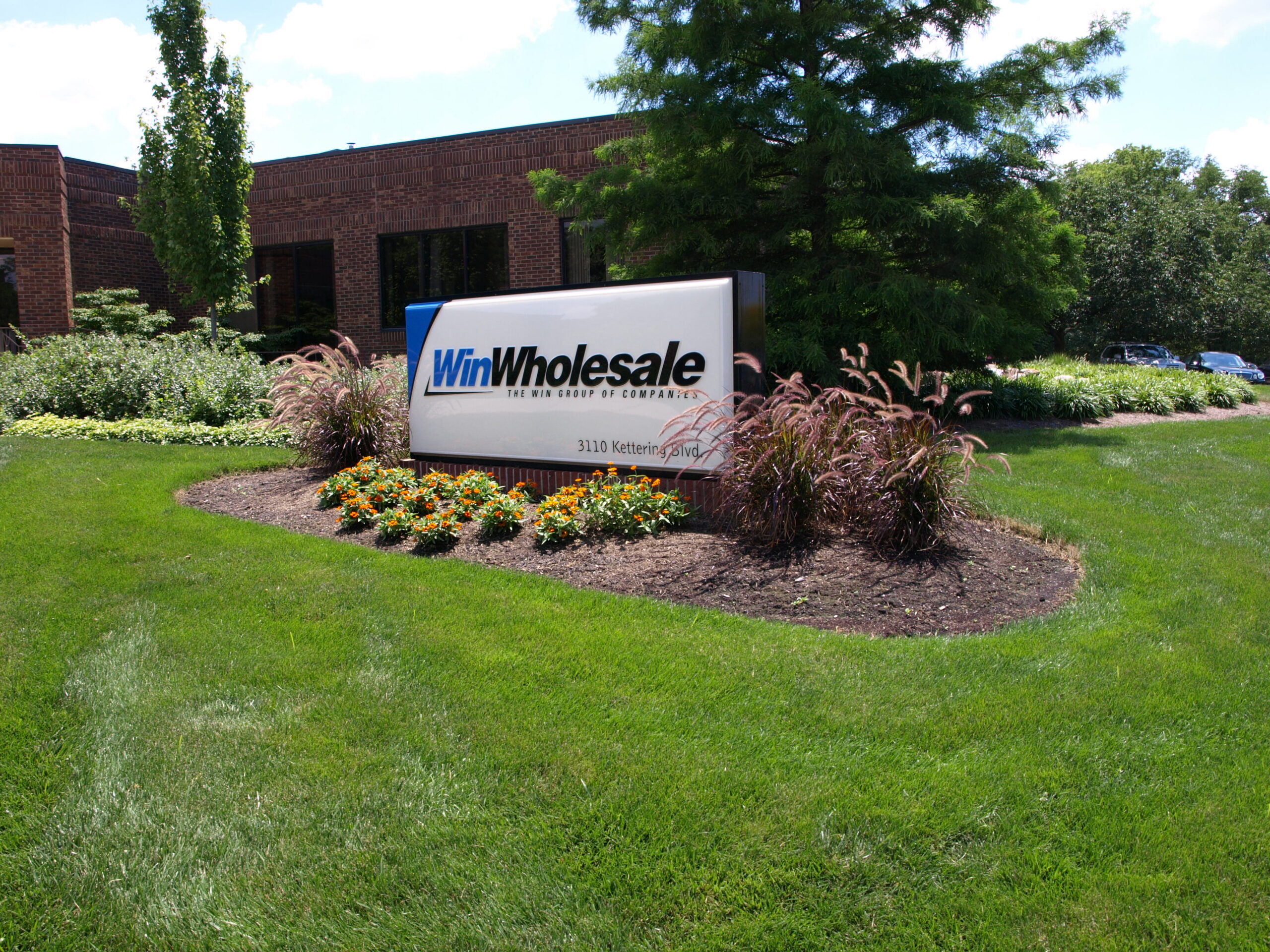
Retailers and restaurants tend to see the effect first in foot traffic and dwell time. Office and industrial properties see it in tenant retention and leasing conversations. Hotels and conference centers will notice fewer bookings the less impressive their property looks. There is no single reliable number to point to here, since results depend heavily on location and industry, but the direction is consistent enough that most commercial property owners treat exterior condition as a marketing expense rather than a maintenance line item.
Set a clear goal before you spend anything. For most businesses, it comes down to things like whether or not the property looks maintained and if it’s easy for them to locate the entrance. Properties that get more people in their doors are the ones that impress people driving by.
Commercial Landscaping Strategies to Increase Curb Appeal
Commercial landscaping succeeds when it looks intentional and improves over time. That usually means fewer plant varieties repeated in larger groupings and design choices that improve with age.
Hardscape does a lot of work framing the building. Low stone or block walls along a foundation bed, a defined edge between lawn and mulch, and a clean paver apron at the entry give the whole property structure. Oversized planters flanking the main doors are one of the highest-impact additions available, because they draw the eye exactly where you want it and can be swapped seasonally without touching the permanent landscape.
Choosing trees and shrubs that thrive in your area, don’t create any messes (like dropping fruit), provide shade, and add visual interest around your building is the way to go.
Selecting Plants to Maximize Visual Appeal
Choose for year-round interest first. A bed that peaks in June and looks empty from October through April is not doing its job on a commercial site.
What your business does will determine your plant choices. You don’t just want to choose plants that you like. You want to pick plant material that reflects your business. For example, clean, sharp hedges and structural trees communicate professionalism, while a ton of seasonal color and native perennials might read more approachable and fun. To learn what plants your business should plant, consult a landscape designer.
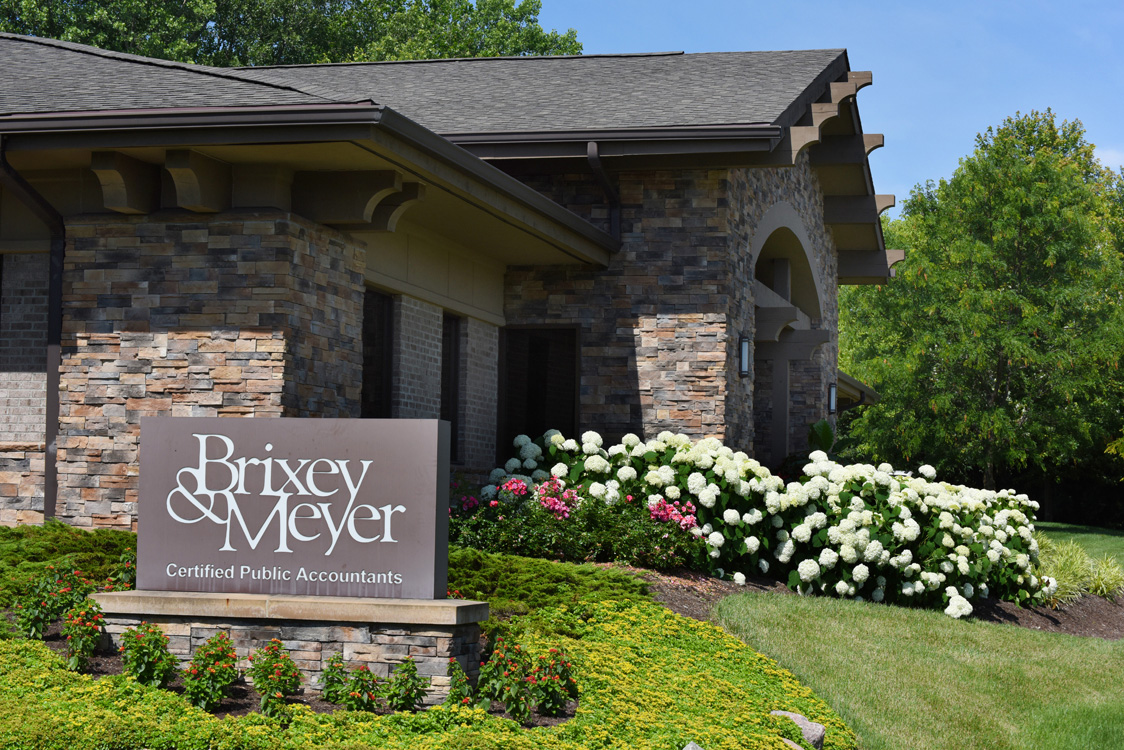
It’s important to note that not all plants grow well in all places. If you plant things that don’t thrive in zone 6b, you’ll risk having to perform a lot more maintenance on your landscape or even find yourself removing dead plants that didn’t survive.
Lawn, Mulch, and Irrigation to Protect Your Property’s Curb Appeal
Turf covers more visible area than anything else on most commercial properties, so it disproportionately affects how maintained the site looks. A scheduled fertilization and weed control program through the season is the baseline. You should also have a mowing plan in place.
Audit your irrigation at least once a year. Broken heads, misaligned zones, and slow leaks waste water and produce the dry patches visitors notice. In planting beds, drip irrigation delivers water to the root zone instead of the sidewalk and keeps foliage dry, which reduces disease pressure in humid summers.
Mulch beds once a year to a consistent depth (2 in). Fresh mulch and a crisp bed edge make a property look more than most things.
Design a Welcoming Atmosphere at the Entryway
Visitors should never have to guess where to go. Place clear, high-contrast wayfinding signage at the point where drivers enter the lot, not just at the door. Add seating near the entrance if people wait there, and use durable planters to frame the doorway and reinforce the path.
Improve Signage, Lighting, Pavement, and Parking
This category is where neglect shows fastest, and where repairs pay off immediately.
- Signage. Replace faded or dated signs with high-contrast designs that read clearly at driving speed and at night.
- Exterior lighting. Path lighting along walkways and uplighting on trees or the building facade extend curb appeal past sunset and improve security. Both matter in winter, when customers arrive after dark.
- Pavement. Repair potholes promptly and fill cracks before water gets in and freeze-thaw cycles widen them. Restripe parking lines so traffic flow and accessible spaces are obvious, and schedule sealcoating on a regular cycle to keep asphalt looking maintained.
- Accessibility. Confirm ramps, curb cuts, and accessible parking meet current ADA requirements. Requirements and enforcement vary, so verify specifics with your local building department or a qualified contractor rather than assuming an older installation still complies.
Maintenance Plan and Seasonal Tasks for Long-Term Curb Appeal
Improvements only hold if someone owns the upkeep. Build a weekly grounds checklist covering litter removal, entry glass and planters, mowing and edging, and a walk of the parking lot.
Schedule spring and fall cleanups to reset the property at both ends of the season, and inspect beds monthly to top off mulch and refresh containers where displays are fading.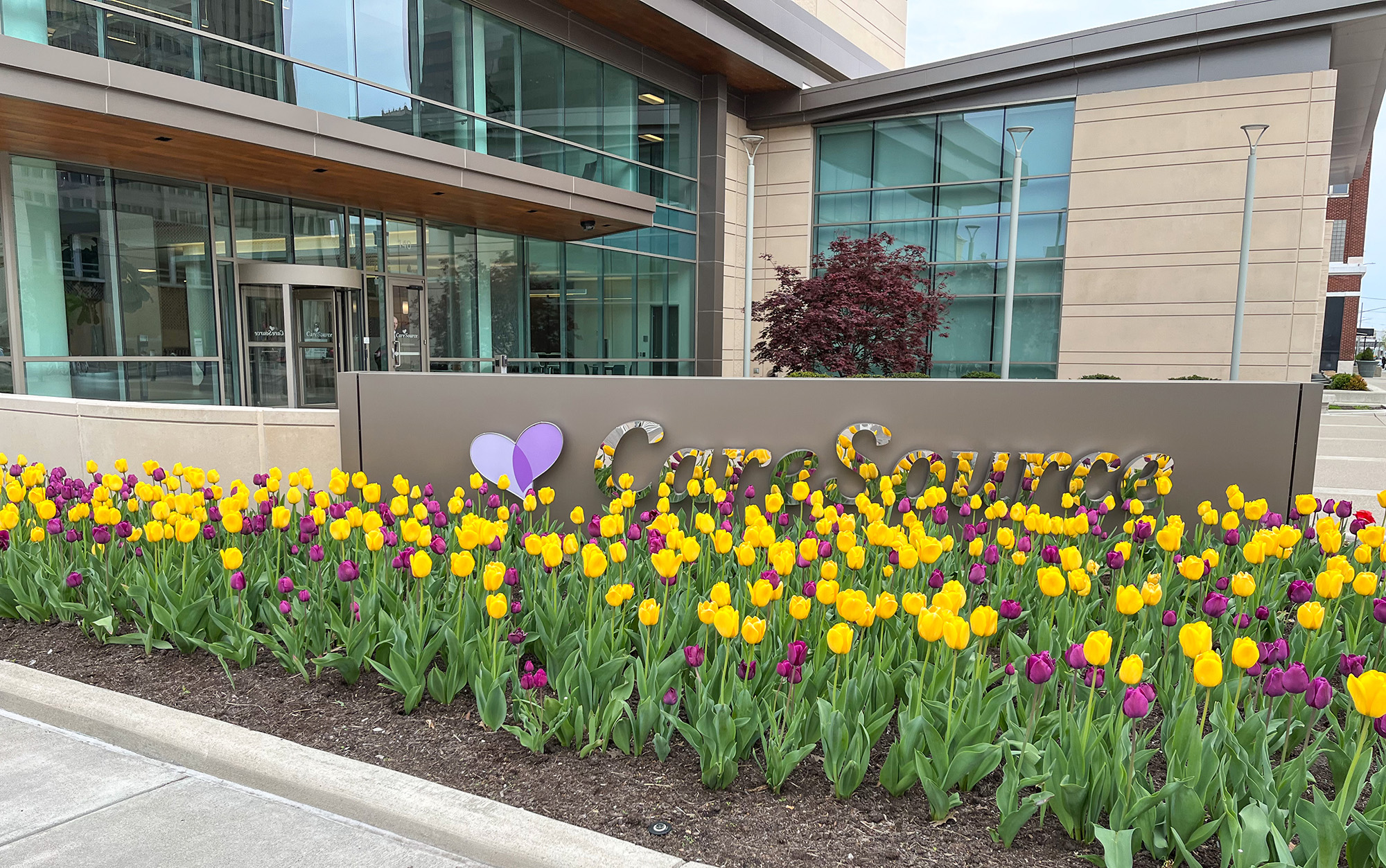
Quick Wins to Immediately Increase Curb Appeal
Working with a small budget or a short timeline? Start here.
- Power-wash the building facade, sidewalks, and entry
- Trim overgrown hedges back off windows and signage
- Clear litter from parking lots, pathways, and bed edges
- Replant high-traffic planters with fresh seasonal color
Budgeting, Phasing, and Hiring Commercial Landscaping Pros
Phase the work. Address safety and pavement issues first, then the entrance, then the broader property. Spreading a project across two or three seasons keeps capital costs manageable and lets you see results before committing further.
Separate major upgrades like pavement replacement, retaining walls, or irrigation overhauls from minor ones like mulch, seasonal color, and pruning. The minor items are recurring operating costs; the major ones are capital projects with their own timelines.
When hiring, ask for references from commercial properties of similar size and scope, confirm insurance, and ask specifically how the contractor handles communication during a project.
Checklist for Measuring Increased Curb Appeal
- Track foot traffic, and where relevant sales or tenant inquiries, before and after improvements
- Ask visitors directly, through a short survey or a question at checkout, how the property looks
- Photograph the property from the street each month to compare over time
- Document completed maintenance tasks weekly so gaps are visible before customers notice them
 About Grunder Landscaping Co.
Grunder Landscaping Co. has been designing, installing, and maintaining landscapes in the Dayton area since 1984 and the Cincinnati area since 2010. We know this climate well, from the clay soils and freeze-thaw cycles that test hardscape to the plants that consistently perform in southwest Ohio. Whether you’re improving a single entrance or planning a full property refresh, our commercial team is here to help. Contact us to learn more.
get started