
Ask ten gardeners when to plant and you’ll get ten answers, most of them some version of “spring.” Spring is the season we associate with new growth, so it feels like the obvious time to put things in the ground. The truth is that the best time of year to plant depends entirely on what you’re planting, and for a large part of the landscape, fall is the smarter choice. Here’s how timing works in southwest Ohio, and how to use your frost dates to give every plant the head start it deserves.
Is There Actually a Best Time to Plant?
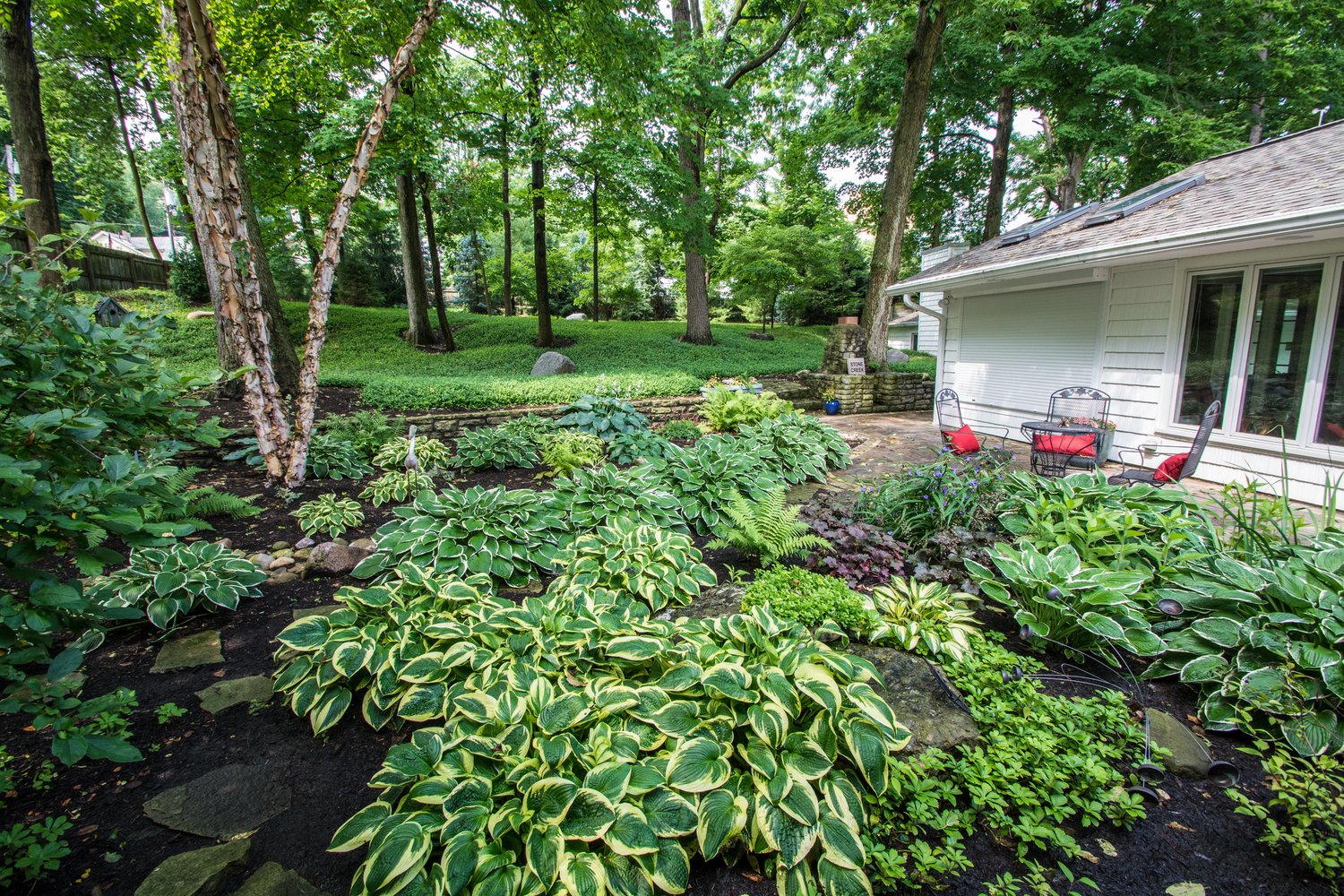
There’s no single best time to plant. There are several, each tied to a plant category and to two dates: your last spring frost and your first fall frost.
Dayton and Cincinnati sit in USDA Hardiness Zone 6b, with clay-heavy soils, humid summers, and a growing season that runs roughly from late April through late October. Different plants want to go in the ground at different times within that window. Trees, shrubs, and perennials establish best in cooler weather, which makes fall and early spring their prime windows. Cool-season grass goes down in late summer to early fall. Tender annuals and summer bulbs wait until all frost danger has passed. Spring bulbs go in the ground in fall. Once you know which category a plant falls into, the frost dates tell you exactly when to move.
Always Pay Attention to Frost Dates
Your frost dates decide the calendar for your landscaping.
The last spring frost date is the average date of the final freeze of the season. In Cincinnati, that average lands around April 16, and Dayton runs a few days behind. Those are averages, though, and a hard freeze has been recorded as late as May 25 in Cincinnati and May 21 in Dayton. In roughly one year out of ten, frost shows up into the first week of May. Many professionals like to use Mother’s Day as a true safe planting date.
The first fall frost date marks the other end of the growing season. For both cities, the 30-year normal is around October 25, though an early cold snap can bring frost by mid-October in some years. As the season progresses and nights cool, every week that passes raises the odds.
You can look up your own dates in a few seconds. The National Weather Service publishes frost and freeze climatology for the region, and your local extension office can give you precise, station-based data for your immediate area.
Why Fall Is the Ideal Season for Most Planting
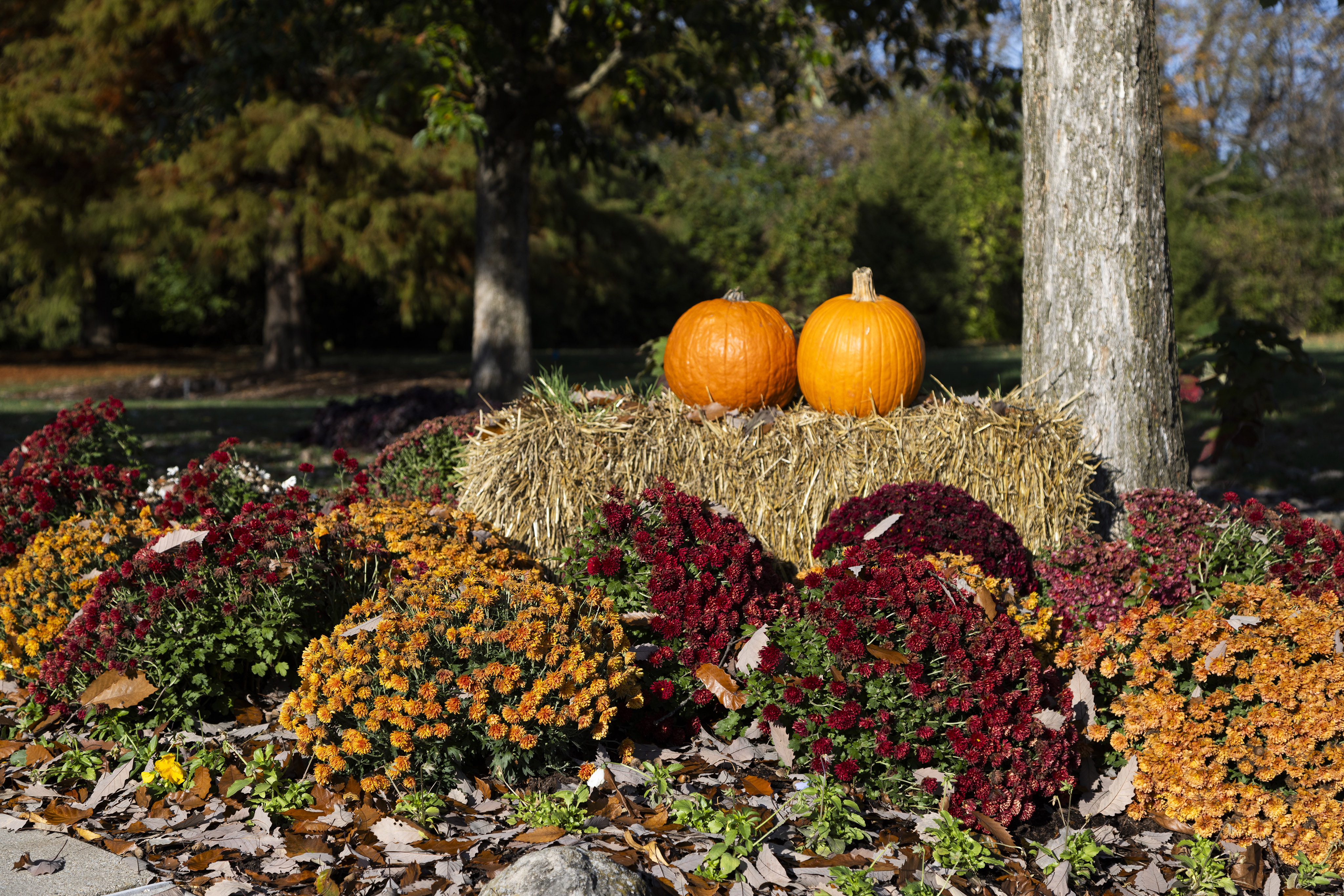
If there’s one thing we’d change about how most gardeners approach planting, it’s the assumption that everything goes in during spring. For trees, shrubs, and perennials, fall planting is often the better call.
In fall, the air is cool, but the soil is still warm from summer, which is the best combination. Top growth slows down, so the plant isn’t spending energy pushing out leaves and instead pours its resources into the root system. Woody plants in particular keep growing roots through the dormant season, well after the visible part of the plant has gone quiet, right up until the ground freezes. A tree or shrub planted in fall gets a full head start on the root establishment that spring-planted stock won’t begin until months later.
Cooler temperatures also mean less transplant shock. Young plants moved in the heat of summer struggle to take up enough water to keep their leaves from wilting. Move them in fall, and that stress largely disappears. Fall’s regular rainfall does much of the watering for you, so irrigation needs drop compared to a summer or spring planting.
A few things make fall planting work:
Plant at least six weeks before your first frost.
Roots need time to establish before the ground freezes. With a first frost around late October, that means getting woody plants and perennials in the ground by mid-September in most years.
Keep watering until the soil cools.
Fall rain helps, but new plantings still need consistent moisture until the ground is genuinely cold. Don’t stop watering just because the weather turned, since a plant that goes into winter dry struggles in spring.
Mulch to prevent freeze-thaw heaving.
A two- to three-inch layer of mulch insulates the soil and steadies its temperature. Without it, repeated freezing and thawing can literally push new plants up and out of the ground over winter, exposing the roots. Remember to keep mulch away from the root flare of your trees and shrubs, though. That can lead to other issues.
Loosen the roots before planting.
Container-grown plants often circle their roots inside the pot. If left like that to grow, they’ll just keep growing in that direction, eventually causing the roots to girdle and kill the tree. Teasing those roots apart, or scoring the sides of a tight root ball, encourages them to grow outward into the surrounding soil rather than strangling themselves.
Bulbs: Plant in Fall for Spring Color
Spring flowering bulbs are one of the clearest examples of why timing matters. Tulips, daffodils, crocus, and hyacinth all need a long stretch of cold to trigger blooming, which is why you plant bulbs like these in fall, not spring.
Get spring bulbs in the ground a few weeks before the first hard frost, once the soil has cooled but while it’s still workable. In our region, that usually means October into early November. Order your fall bulbs early, too. The best selection sells out well before planting season, and the healthiest bulbs go first.
Summer flowering bulbs, like dahlias, gladiolus, and cannas, are the opposite. They’re frost-tender, bloom from early summer onward, and go in the ground in spring after the last frost has passed, the same as tender annuals.
Spring Planting: Annuals and Frost-Tender Plants
Spring is when tender plants finally get their turn. The rule is simple: wait until after the last frost. In southwest Ohio, that means holding off on frost-tender annual flowers, summer bulbs, and warm-season plants until after the first week of May, when frost danger has reliably passed.
Harden off transplants first.
Plants raised in a greenhouse or indoors aren’t used to direct sun and wind. Set them outside for a few hours a day over a week or so before planting, gradually increasing the exposure, so they don’t go into shock when they hit the ground.
If you’re the type to start seeds indoors, most annuals are started six to eight weeks indoors before the last frost date, then hardened off and moved out once the weather settles. For anyone who’d rather skip that step, buying established transplants and setting them out after early May gets you to the same place with a lot less fuss.
Edibles follow the same logic. Warm-season vegetables go into vegetable beds after the last frost, while cool-season crops and many herbs can go in earlier or be planted again in late summer for a fall harvest.
>> Learn More About the Best Ohio Shade Perennials Here <<
Perennials, Flower Gardens, and Designing for Every Season
Perennials are flexible. You can plant perennials in either spring or fall, but fall planting gives many perennials a head start on root establishment before the following summer. Mature, container-grown perennials set out in early fall spend the cool months building roots and come back stronger in spring.
When you’re planting flower gardens rather than a single specimen, timing becomes a design tool. Combining fall bulbs with fall-planted perennials in the same beds means everything is ready to perform together the moment spring arrives. The most satisfying beds are planned for staggered bloom, so something is always coming into color, from the first spring bulbs through late-fall grasses and asters.
It’s also worth building in pollinator-friendly plants that bloom late in the season. Bees and butterflies need nectar sources well into fall, and late bloomers like asters, goldenrod, and ornamental grasses give the garden a second act when most of the yard is winding down.
>> Learn More About the Best Plants for Full Sun Here <<
Trees and Shrubs Timing
For trees and shrubs, the ideal time to plant them depends on what they are.
 Trees
Trees
Fall is usually the best time to plant trees in our climate. It lets the roots establish through the dormant season so the tree is ready to handle the summer heat that follows. Spring planting works too, especially in a mild spring, as long as you’re prepared to water consistently through that first summer.
Shrubs
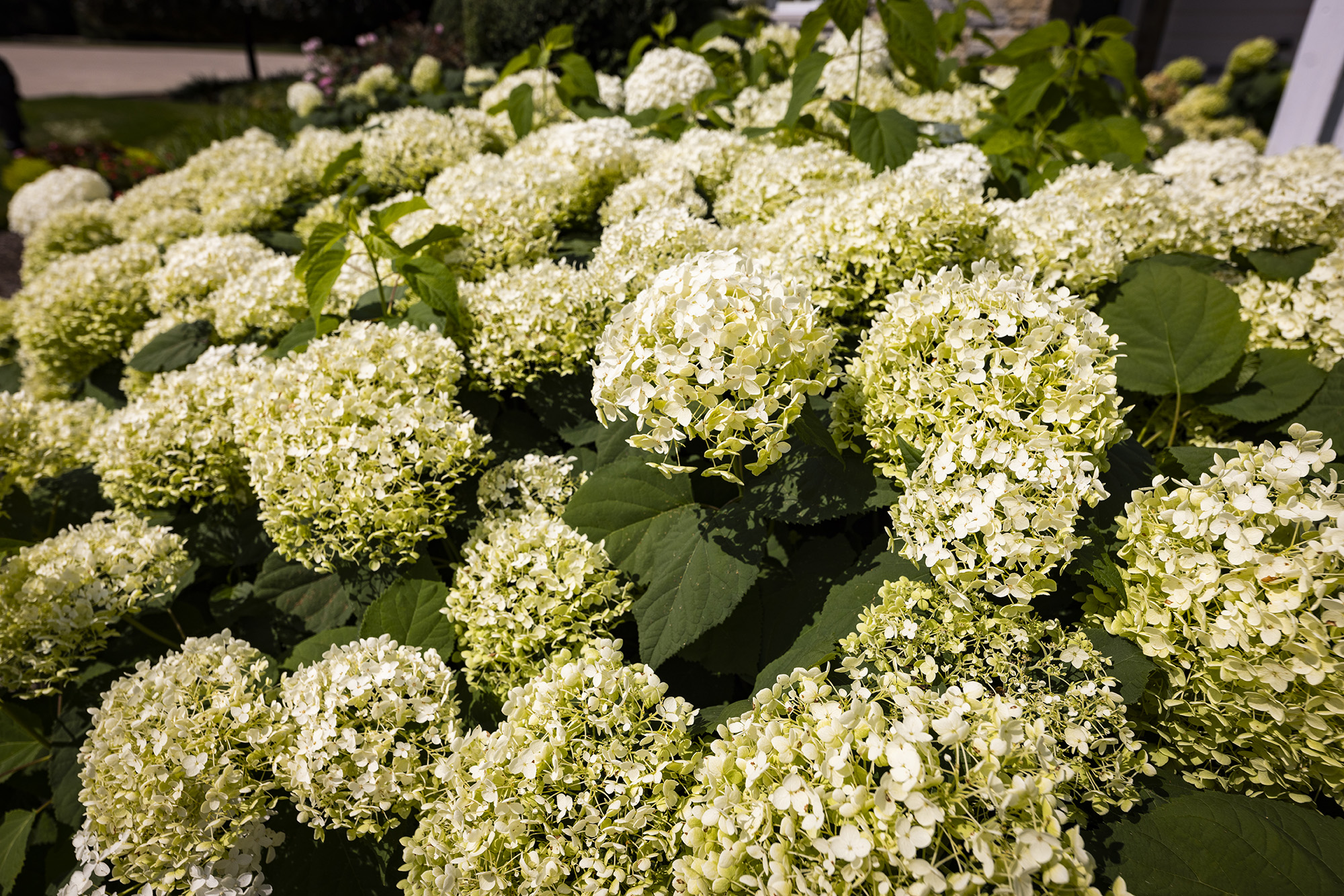
For shrubs, bloom time is a helpful guide. Early-spring-blooming shrubs are best planted in fall, so they’re settled and ready to flower on schedule. Summer-blooming shrubs can go in during spring without sacrificing that season’s display. Either way, the same six-week cushion before frost applies to any fall installation.
Build Your Own Planting Calendar
The easiest way to keep all of this straight is to build a simple planting calendar around your frost dates.
Start with your first frost date and work backward. Count back six weeks to find your deadline for fall tree, shrub, and perennial planting. Mark your bulb window in the weeks before the first hard frost. Then use your last frost date in spring to time annuals, summer bulbs, and anything frost-tender. A quick month-by-month checklist, even just notes on a calendar, keeps you from missing a window as the season gets busy.
 About Grunder Landscaping Co.
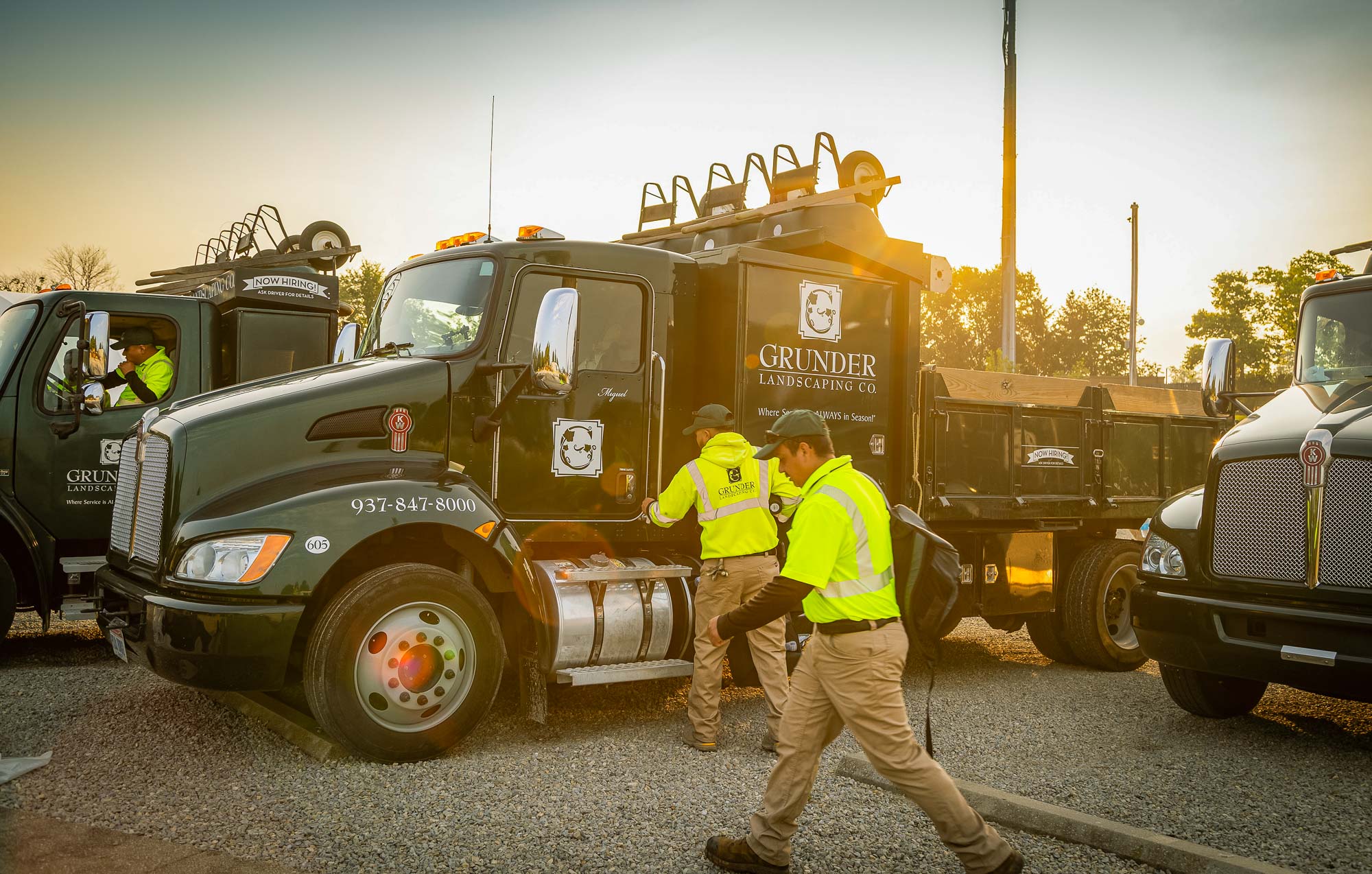
Grunder Landscaping Co. has been designing, installing, and maintaining landscapes in the Dayton area since 1984 and the Cincinnati area for more than a decade. We know this climate well, from the freeze-thaw cycles and clay soils that shape every planting decision to the timing that gives trees, shrubs, and lawns their best shot at thriving. Whether you’re planning a new landscape, refreshing tired beds, or getting your lawn back on track, our team of horticulturalists and designers is here to help you plant the right thing at the right time. Get started at Contact us to learn more.
get started