
Weed Barrier Under Mulch: Landscape Fabric, Risks, and Alternatives
We understand why landscape fabric sounds appealing. Nobody wants to spend their summer weekends pulling weeds, and a barrier that blocks them before they ever sprout feels like the obvious answer. It’s recommended at garden centers, it shows up in plenty of DIY guides, and to be fair, it does what it says it does, at least for a little while.
The trouble is what comes after. We’ve pulled a lot of old fabric out of beds around Dayton and Cincinnati over the years, and the pattern is consistent: a season or two of clean beds, followed by weeds that are harder to pull, soil that’s worse off, and a buried layer of synthetic material that nobody enjoys removing. And if you’re an active gardener or landscaper, someone who likes to add plants, divide perennials, or rework a bed when inspiration strikes, fabric is especially frustrating to live with, since every change means cutting through it and every cut weakens what’s left.
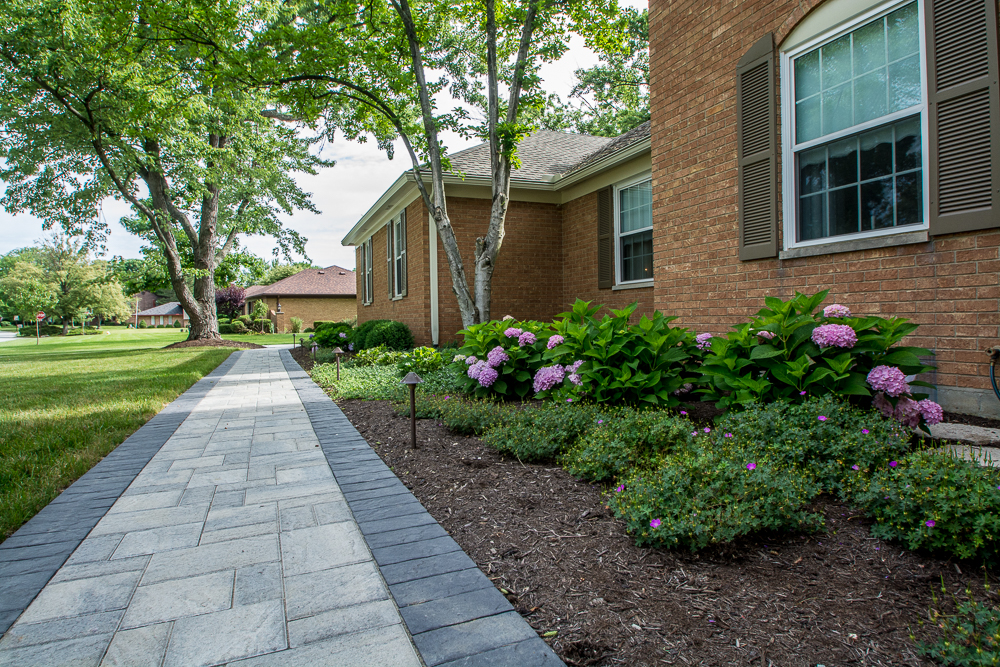
Washington Township, OH
What Is Landscape Fabric Under Mulch
Landscape fabric, also sold as weed barrier fabric or weed mat, is a synthetic sheet laid directly on the soil before mulch or rock goes down. You’ll see two main types: woven fabric, made from interlaced polypropylene strands, and non-woven fabric, which looks and feels like thick felt. Both are designed to let water and air through small pores while blocking sunlight so weed seeds in the soil can’t germinate.
A typical installation is straightforward. The bed gets cleared, the fabric gets rolled out and pinned with landscape staples, holes get cut for plants, and two or three inches of mulch go on top to hide it. It looks tidy on day one, which is part of why people still choose it. What happens over the next three years is where it falls apart.
How Weed Fabric Affects Weed Growth
For the first year or two, it works. The weed seeds already sitting in your soil need sunlight to sprout, and the fabric cuts that off completely. If that were the whole picture, we’d use it everywhere.
The issue starts when you add the layer of hardwood mulch on top, the standard in southwest Ohio beds, which breaks down fast in our humid summers. Within a season or two, it decomposes into a thin layer of what is basically topsoil sitting right on the fabric. Weed seeds blow in constantly, and they don’t need to reach the ground to grow. They germinate happily in that decomposed layer, roots down, right on the barrier that was supposed to stop them.
So the fabric solves the problem below it while manufacturing a new one above it. Most homeowners notice this around year two or three.
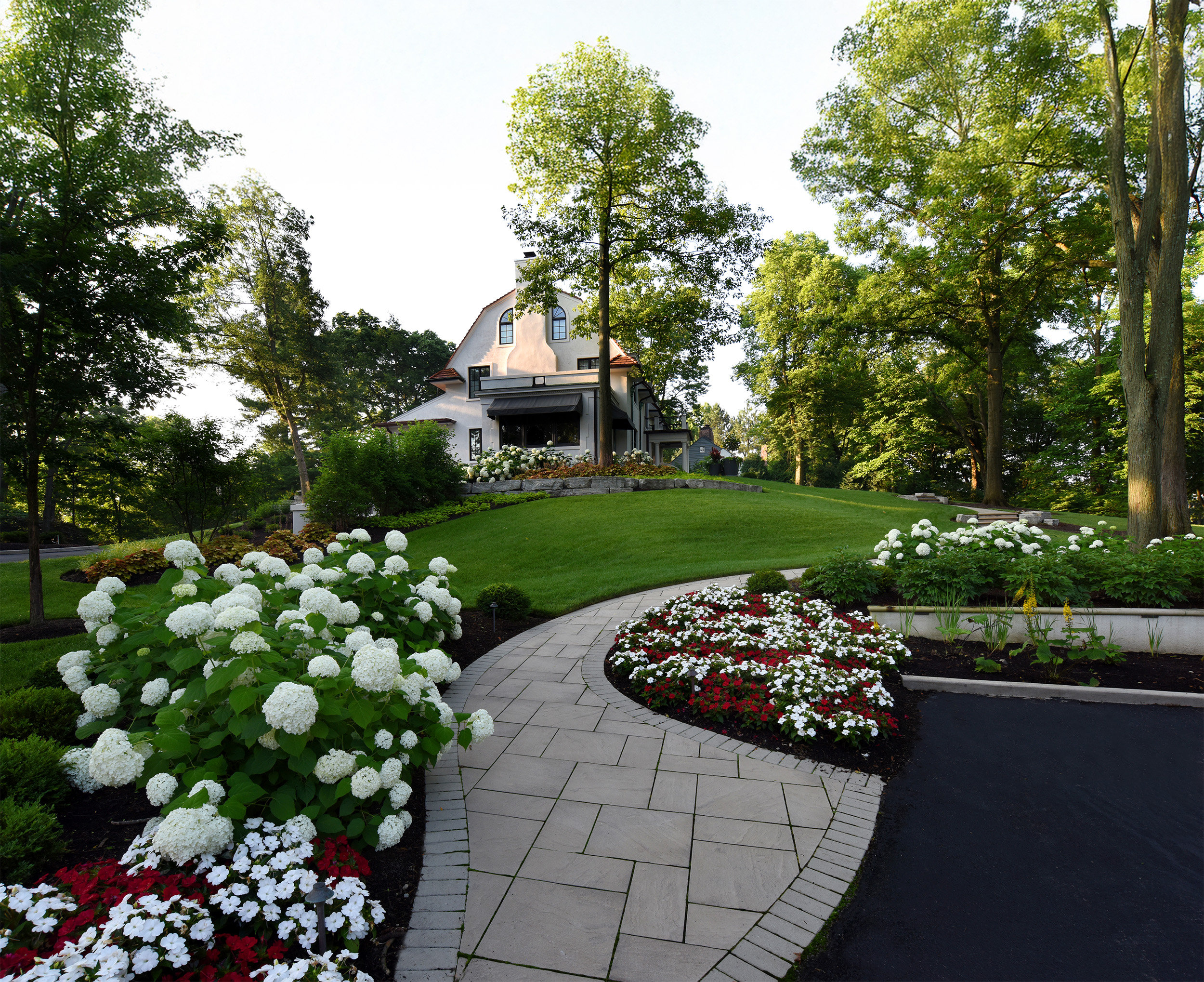
Oakwood, OH
Problems Caused By Landscape Fabric Under Mulch
Makes Weeding More Difficult
Weeds that sprout in the mulch layer send roots down through the fabric’s pores and anchor into the soil beneath. Once that happens, the weed and the fabric are effectively one object. Pull the weed, and you tear the fabric, or the top snaps off and leaves the root system behind to regrow. Compare that to pulling a weed out of plain mulched soil, where the whole root slides out in one motion, and you start to see why we’d rather weed a bed without fabric than with it.
Fabric Under Mulch Can Become Unsightly
Mulch doesn’t stay put. Rain, wind, birds, and kids cutting through the beds all move it around, and every thin spot exposes a patch of fabric. It’s common, and there’s no quick fix. Topping off the mulch hides it for a while, but the fabric keeps resurfacing until someone pulls it out.
Landscape Fabric Can Harm Soil Health
A healthy plant bed builds itself from the top down. Mulch and leaves break down, earthworms and beneficial microorganisms work that organic matter into the soil, and over the years, you end up with darker, looser, better-draining ground. That process matters everywhere, but it matters more here, where most of us are gardening on heavy clay that needs all the organic matter it can get. Fabric sits in the middle of that cycle and shuts it off. When we pull old fabric out of a bed, the soil underneath is usually compacted, pale, and noticeably worse than the soil in unobstructed beds nearby.
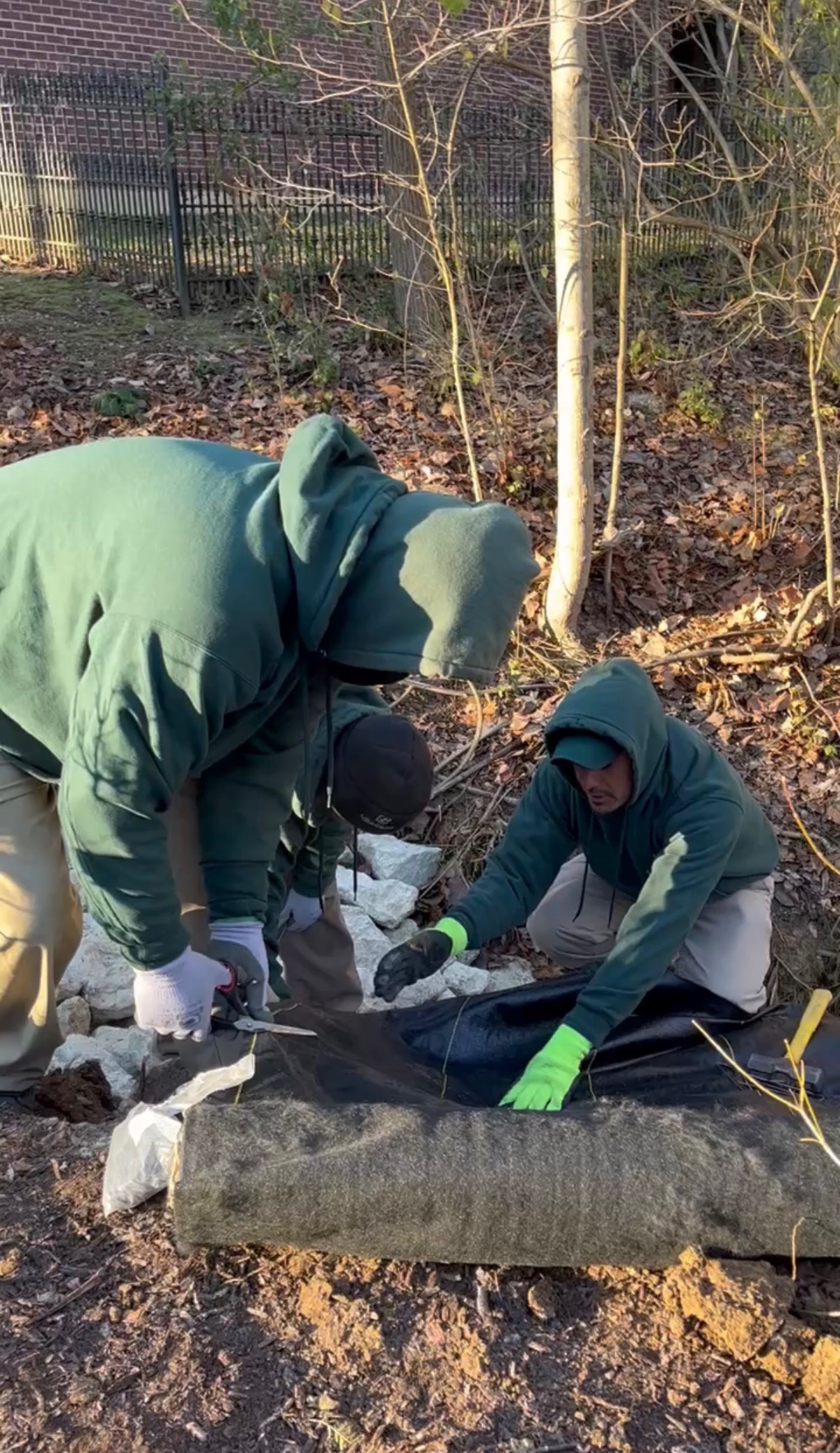
Maineville, OH
Limits Landscape Design Flexibility
Landscapes change. You add a shrub, move a perennial that outgrew its spot, or decide the bed needs reshaping. With fabric down, every one of those changes means cutting the barrier, and every cut is a gap that no longer blocks anything. After a few years of normal updates, the fabric is more holes than barrier, and you’ve paid extra labor for every planting along the way.
Fabric Creates A New Weed Layer
The decomposing mulch on top of the fabric becomes the exact seedbed the fabric was supposed to eliminate. As far as a windblown dandelion seed is concerned, an inch of broken-down mulch on fabric is soil. You end up weeding the bed about as often as you would have anyway, except now every perennial weed that gets through is tangled in synthetic material.
When To Use Landscape Fabric
Fabric was developed for commercial applications, and it still does work in the right spots.
Under gravel and river rock, fabric keeps stone from slowly sinking into the soil, which keeps the layer looking full and makes it far easier to blow leaves off without stirring up dirt. Under hardscape paths, it can serve as a separation layer that keeps base material clean and stable, especially on slopes.
Notice what those situations have in common: no organic mulch decomposing on top, and no plants that need root access to the soil below. Fabric works as a permanent separator under inorganic material. It fails as a weed solution under anything that’s actively breaking down on top of it.
Alternatives To Weed Barrier Under Mulch
Organic Mulch Practices For Mulch Beds
The best weed barrier in a planting bed is the mulch itself, applied right. Two to four inches of depth blocks enough light to stop most weed seeds in the soil from germinating, without smothering plant crowns or piling against trunks. Coarser wood chips hold that depth longer than fine, dyed mulch because they break down more slowly. Then top the beds off annually rather than waiting for them to go bare. This is exactly how we approach the beds in our LandKeeping program, and it’s the reason those beds don’t need fabric to stay presentable.
Biodegradable Weed Barrier Options
If you’re starting a new bed over ground with heavy weed pressure, a biodegradable barrier gives you the establishment-period boost fabric promises without the long-term baggage. Plain cardboard, laid flat with overlaps at the seams and mulched over, smothers existing weeds and then breaks down into the soil within a season or two. Skip glossy, coated, or inked cardboard and strip off any tape, labels, and adhesives first, since those don’t break down and might have glue that can harm the soil.
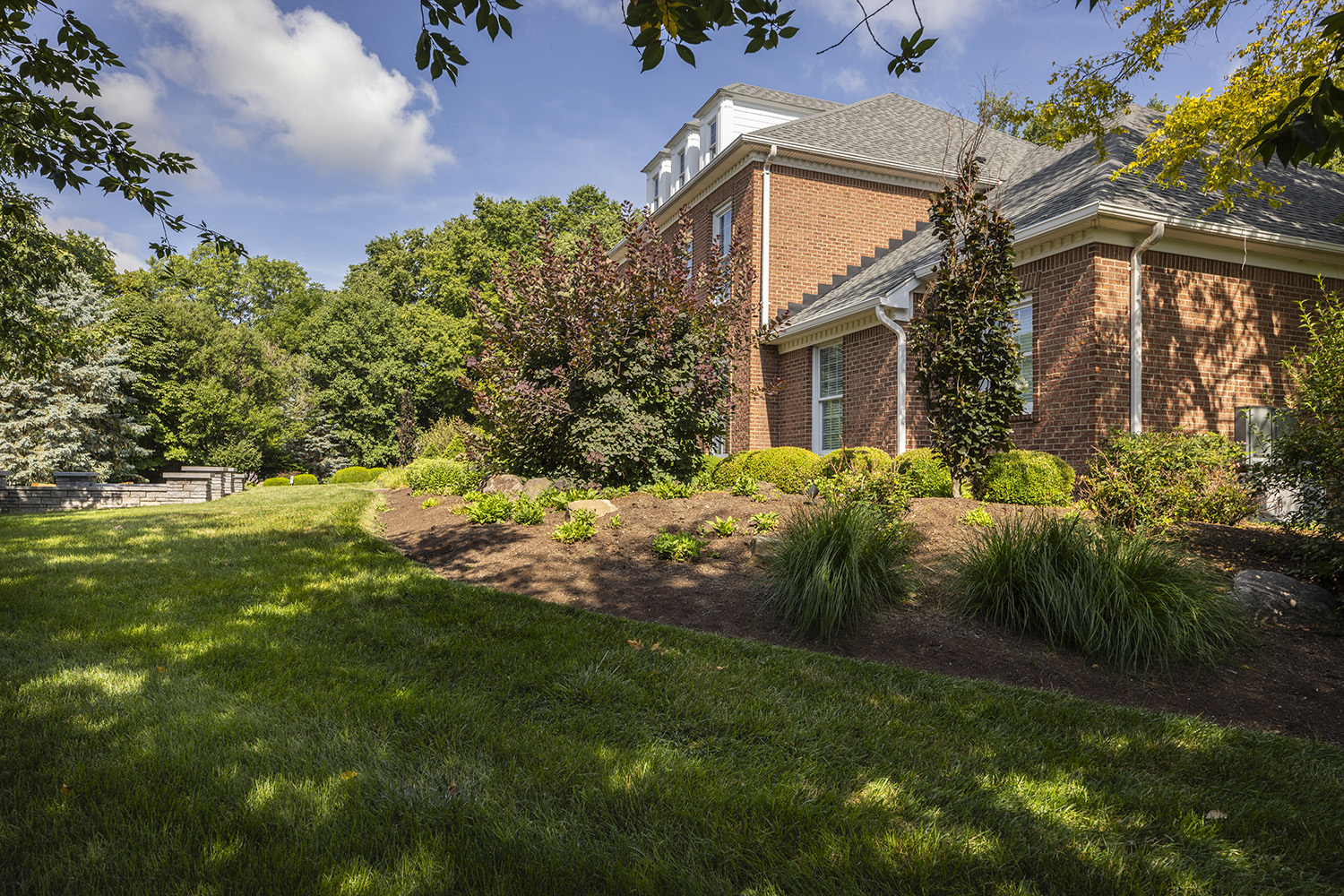
Tipp City, OH
A pre-emergent weed preventer applied over fresh mulch in early spring stops weed seeds from establishing, and it’s a standard part of how we manage the beds we maintain. Beyond that, the unglamorous methods still work best: pull weeds while they’re small, before roots establish, and run a hoe lightly through open soil between plants every few weeks during the growing season. Over the longer term, building healthy soil with mulch and compost, and planting densely enough that beds fill in, leaves weeds less open ground to colonize in the first place. A full bed is its own weed control.
Best Practices For Weed Control In Mulch Beds
Clear existing weeds, roots included, so you’re not burying an active problem under a fresh layer. Cut a clean edge between beds and lawn, since turf creeping in from the sides is one of the biggest weed sources in Ohio beds, and a crisp edge stops most of it. Refresh mulch once a year to hold that two to four inch depth, and walk your beds every few weeks through the season so nothing gets a head start.
Conclusion
Keep landscape fabric out of your mulch beds. It buys a short honeymoon from weeding and pays for it with tangled roots, starved soil, exposed fabric, and a removal job nobody enjoys. Rely on mulch depth, clean edges, and an annual refresh instead, with cardboard or newspaper if a new bed needs extra help getting established. Save the fabric for gravel, river rock, and paths, where it actually does what the package says.
And if you’re staring at a bed full of old fabric right now, or planning a project and want it done right the first time, that’s a conversation we have with homeowners all the time. We’re happy to help.
 About Grunder Landscaping Co.
Grunder Landscaping Co. has been designing, installing, and maintaining landscapes in the Dayton area since 1984 and has served the Cincinnati market for more than a decade. We know this climate well, from the clay soils and humid summers that shape how beds behave to the maintenance practices that keep them healthy year after year. Whether you’re starting from scratch or improving what you have, our team is here to help. Get started with Grunder Landscaping.
get started